 Free shipping on orders over £29,85
  Shipping Tracking!


 Google
 Facebook
← Back to How are epoxides obtained?
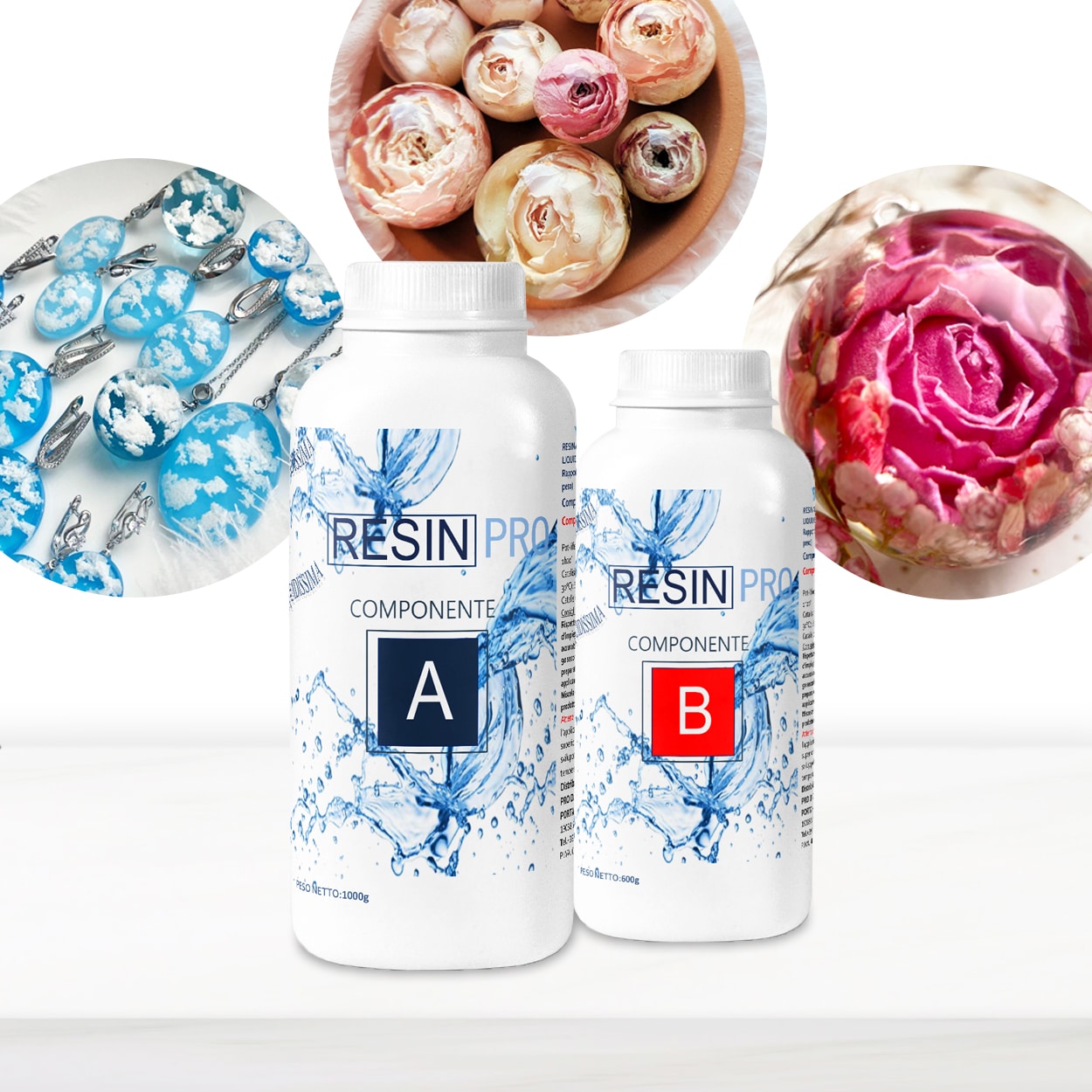
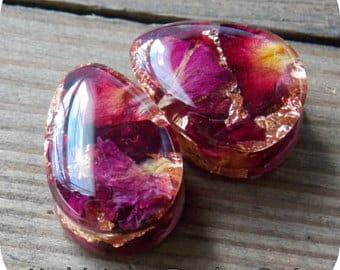
Choosing the right epoxy resin for jewellery can make all the difference between a cloudy, bubbly piece and a flawless, professional finish. Understanding the key features to look for will help you achieve stunning results in your creations.
Essential Qualities for Jewellery Resin
For detailed jewellery work—such as pendants, charms, and delicate castings—opt for an epoxy resin with low viscosity and high transparency. Low-viscosity resins flow smoothly into even the smallest crevices of intricate moulds, reducing trapped air and ensuring the final piece captures every detail. High transparency gives a water-clear finish that beautifully displays colourants, inclusions, and embedded items.
Some epoxy resins, like “Liquidissima”, are specially formulated to minimise air bubble formation, which is critical for glossy, glass-like results.
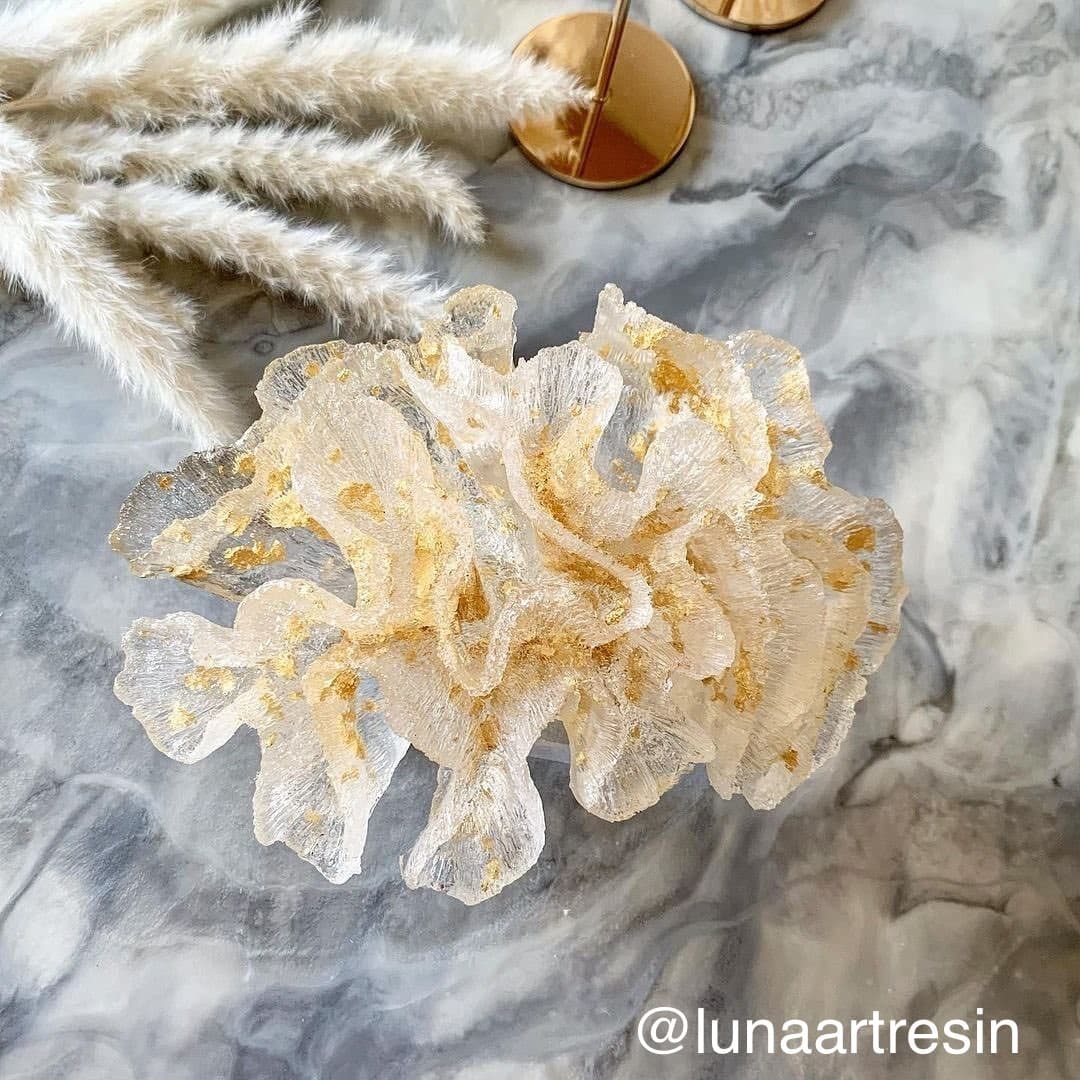
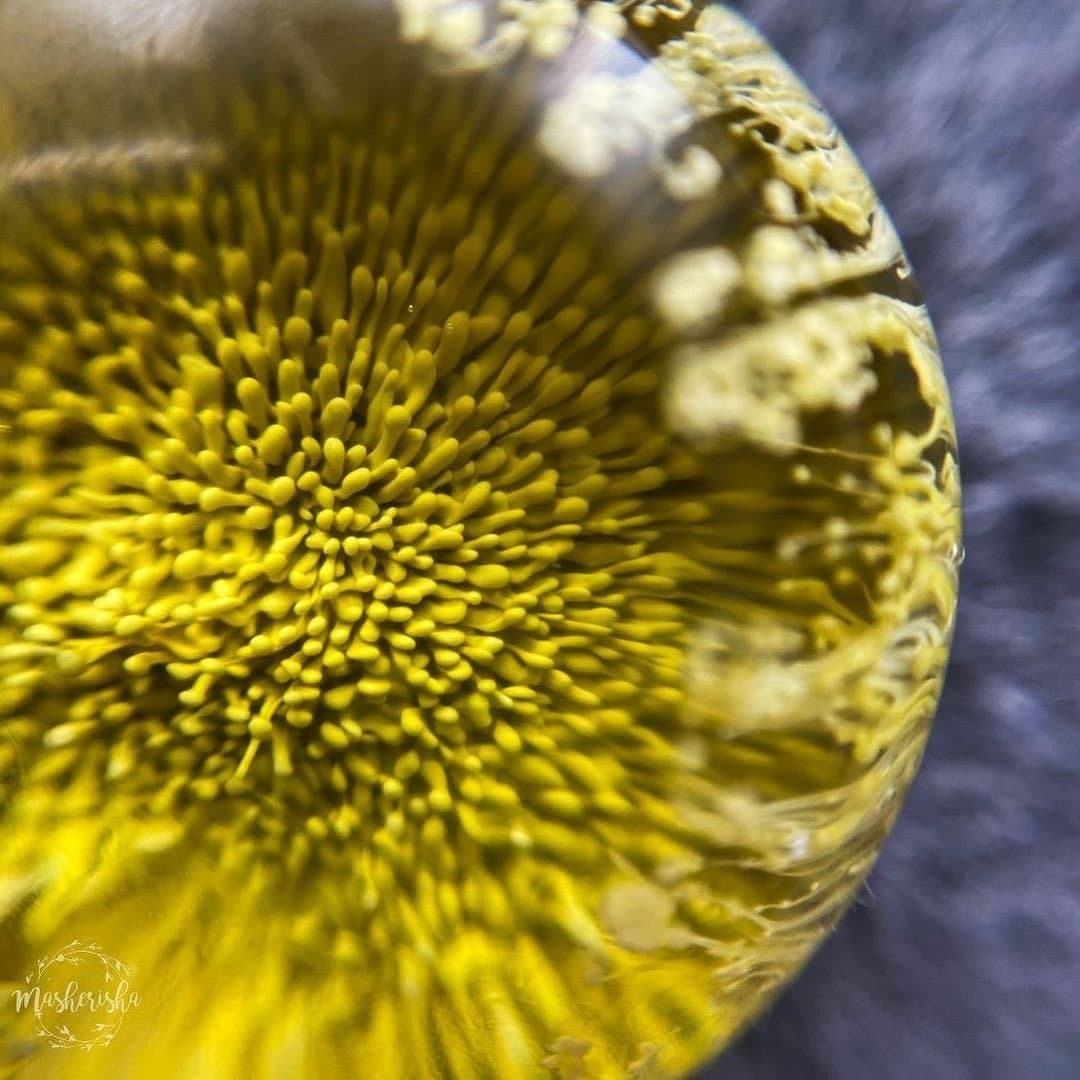
Working Time and Application Tips
A resin with a longer working time (also known as extended open time or catalysis) is highly beneficial for jewellery designers. It allows you to pour, mix, and adjust inclusions with less pressure, making complex layering or precise placements much easier. For the best results, always mix slowly to reduce air bubbles and pour in a dust-free workspace. If you do spot bubbles, a quick pass with a heat tool or a few drops of isopropyl alcohol can help achieve a flawless finish.
When This Matters Most
- For artists and crafters creating tiny, detailed items where every flaw can show.
- When casting with silicone moulds requiring perfect clarity and clean edges.
- If you want to layer colours or embed tiny objects such as flowers or beads.

Related products
Related guides
Selecting an epoxy resin with low viscosity and high transparency is ideal for jewellery. For intricate designs, a specialist jewellery resin ensures your work stands out. Learn more about the chemistry of epoxides and their applications on our main guide to how epoxides are obtained.