 Free shipping on orders over £29,85
  Shipping Tracking!


 Google
 Facebook
← Back to how do I use resin with round Fimo?
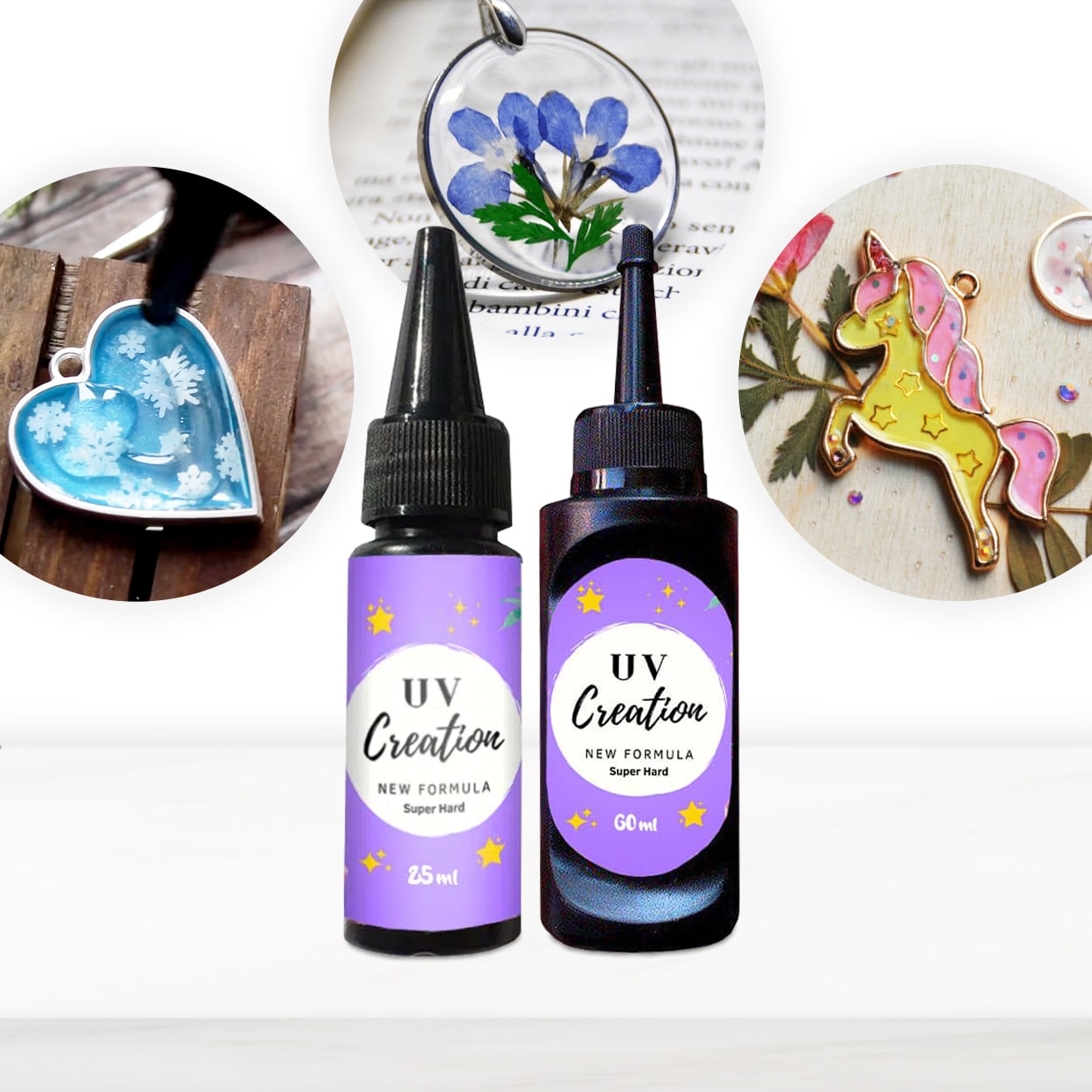
For a flawless resin finish on round Fimo, preparing the surface is crucial. Proper cleaning and smoothing ensure reliable bonding and a crystal-clear resin result.
Why Surface Preparation Matters
Resin adheres best to clean, smooth polymer clay. Any dust, residue, or unevenness on round Fimo can affect both clarity and adhesion, resulting in flaws or peeling. Taking a little extra time to inspect and clean your clay shapes before starting helps achieve professional results and extends the life of your jewellery or decorative piece.
Practical Steps to Clean and Smooth Fimo
- After baking and cooling, gently sand any uneven spots with fine-grit sandpaper for a seamless surface.
- Wipe the piece with a lint-free cloth slightly dampened with water or rubbing alcohol to remove any dust or finger oils.
- Let the piece dry completely before applying your resin. Avoid touching the surface to keep it pristine.
For round shapes, take care around edges—use circular motions to keep the surface even. Choosing a ready-to-use resin, such as the “UV–Creation” Fast Acrylic Resin, gives a smooth, glossy result that enhances the clean Fimo base.
When Meticulous Cleaning Makes a Difference
This step is especially important when encapsulating inclusions or aiming for a high-gloss dome: any trace of dust or fingerprints will be visible and can detract from your final piece. Cleaning and smoothing are essential for pendants, beads and decorative cabochons designed for display or gifts.
Related products
Related guides
Taking time to clean and smooth your round Fimo ensures that the resin layer bonds perfectly and achieves a brilliant, professional shine. For more tips on combining resin with Fimo, explore our main guide on how to use resin with round Fimo.