 Free shipping on orders over £29,85
  Shipping Tracking!


 Google
 Facebook
← Back to What are the main thermoplastic and thermosetting resins?

Thermosetting resins provide strong, durable results for casting, repairs, and projects requiring a tough finish. However, certain practical errors are common, particularly for first-time users or when trying a new product. Understanding these mistakes—and how to avoid them—leads to more reliable and attractive outcomes.
Mixing Ratios: The Foundation of Success
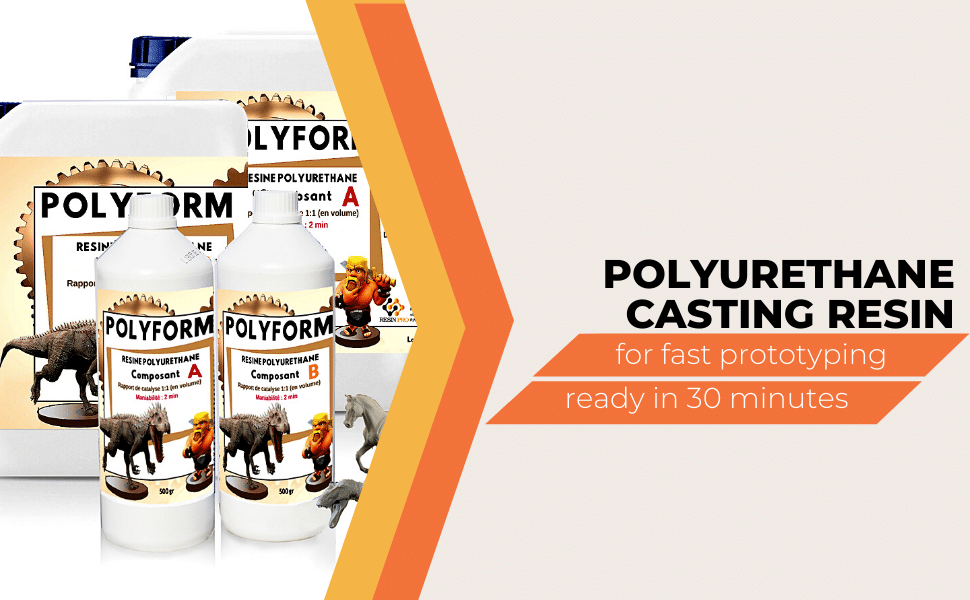
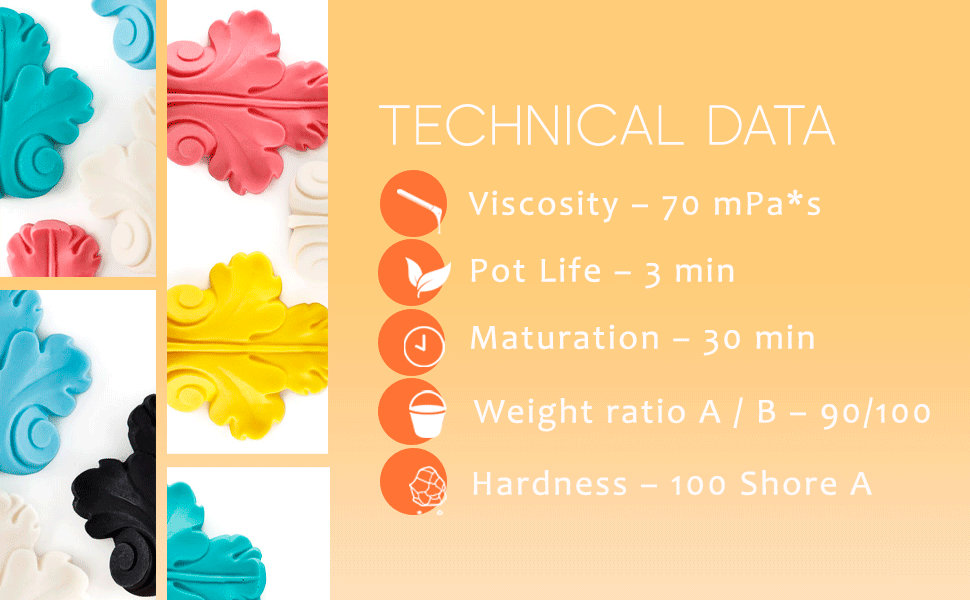
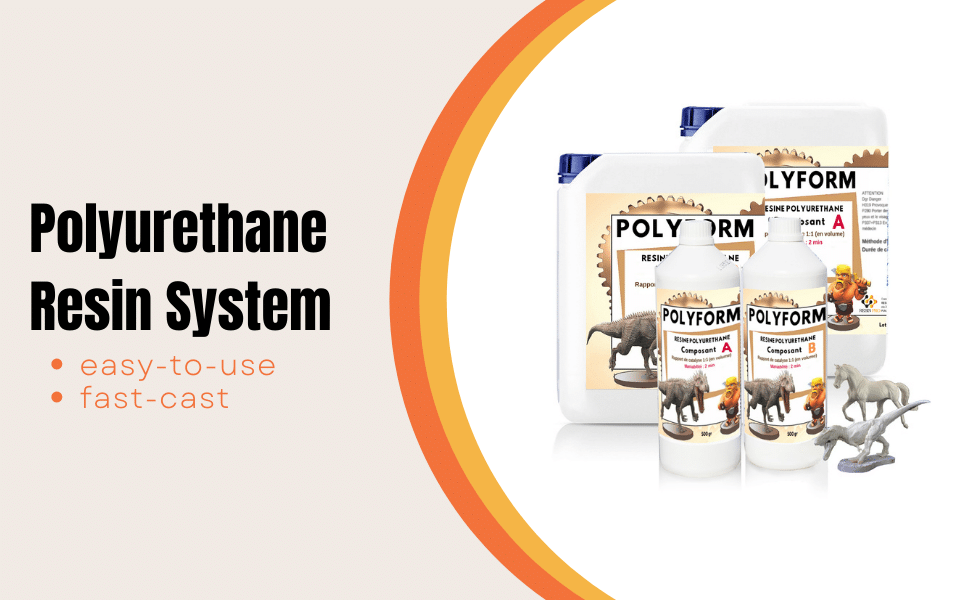
One of the most frequent errors with thermosetting resins is incorrect mixing of component parts. Most resins require a specific ratio—sometimes by weight, sometimes by volume—to cure correctly. Always follow the manufacturer’s instructions carefully. For example, Polyform polyurethane casting resin should be mixed at a precise weight ratio for best results. Using the wrong ratio can result in incomplete curing, weak castings, or tacky surfaces.
Temperature and Pour Thickness
Environmental conditions play a major role in how thermosetting resins behave. Pouring resin when the ambient temperature is too low can slow or even halt the curing process. Conversely, casting thicker sections than a product’s recommendations can cause overheating, bubbles, or cracking. Products like Epoxytable 10-Ten are formulated for deep pours—up to 10cm—while others should only be poured in thin layers. Always check guidance before starting your project.
When This Matters Most
Attention to mixing and environmental guidelines is especially important when creating functional parts, large pours, or repairs requiring waterproof and impact resistance. Mistakes at this stage can be costly and time-consuming to fix, so taking care pays off when quality and durability matter.

Related products
Related guides
By following best practices and paying attention to mix ratios, temperature, and recommended pour depths, you’ll achieve success with thermosetting resins. For those exploring different resin types, discover more about their properties on our hub page about thermoplastic and thermosetting resins.