 Free shipping on orders over £29,85
  Shipping Tracking!


 Google
 Facebook
What are the main thermoplastic and thermosetting resins?
Explore properties, common applications, and leading resin examples

Are you looking to understand the key differences between thermoplastic and thermosetting resins, and choose the right material for your project? This guide provides an in-depth comparison of the main resin types, with practical examples and advice tailored for makers, repairers, hobbyists, and professionals in crafts, construction, and model making.
Thermoplastic vs Thermosetting Resins: An Overview
The resin world is broadly divided into two families: thermoplastic resins and thermosetting resins. Thermoplastics soften when heated and can be remoulded multiple times – typical examples include ABS and polycarbonate, but these are rarely supplied in liquid kit or commercial repair form. Thermosetting resins (such as epoxy, polyurethane, polyester, and silicone rubbers), once set through a curing process, form permanent, insoluble bonds and cannot be reshaped. These are the most common resins used in casting, fibreglassing, and surface applications because of their ease of use and long-term mechanical stability.
Below, we highlight the key differences in use, strength, and project suitability, and introduce some of ResinPro’s leading thermosetting resin solutions to demonstrate practical applications.
Visual Comparison: Leading Thermosetting Resins
See side-by-side results using Polyform polyurethane, Epoxytable 10-Ten for deep pours, Polyester resin repair kit, and Pure Mould silicone rubber. Note differences in finish, clarity, and flexibility across these proven thermosetting formulations for casting, repairs, and mould creation projects.
Polyform Polyurethane Casting Resin – Rapid Thermosetting for Prototyping
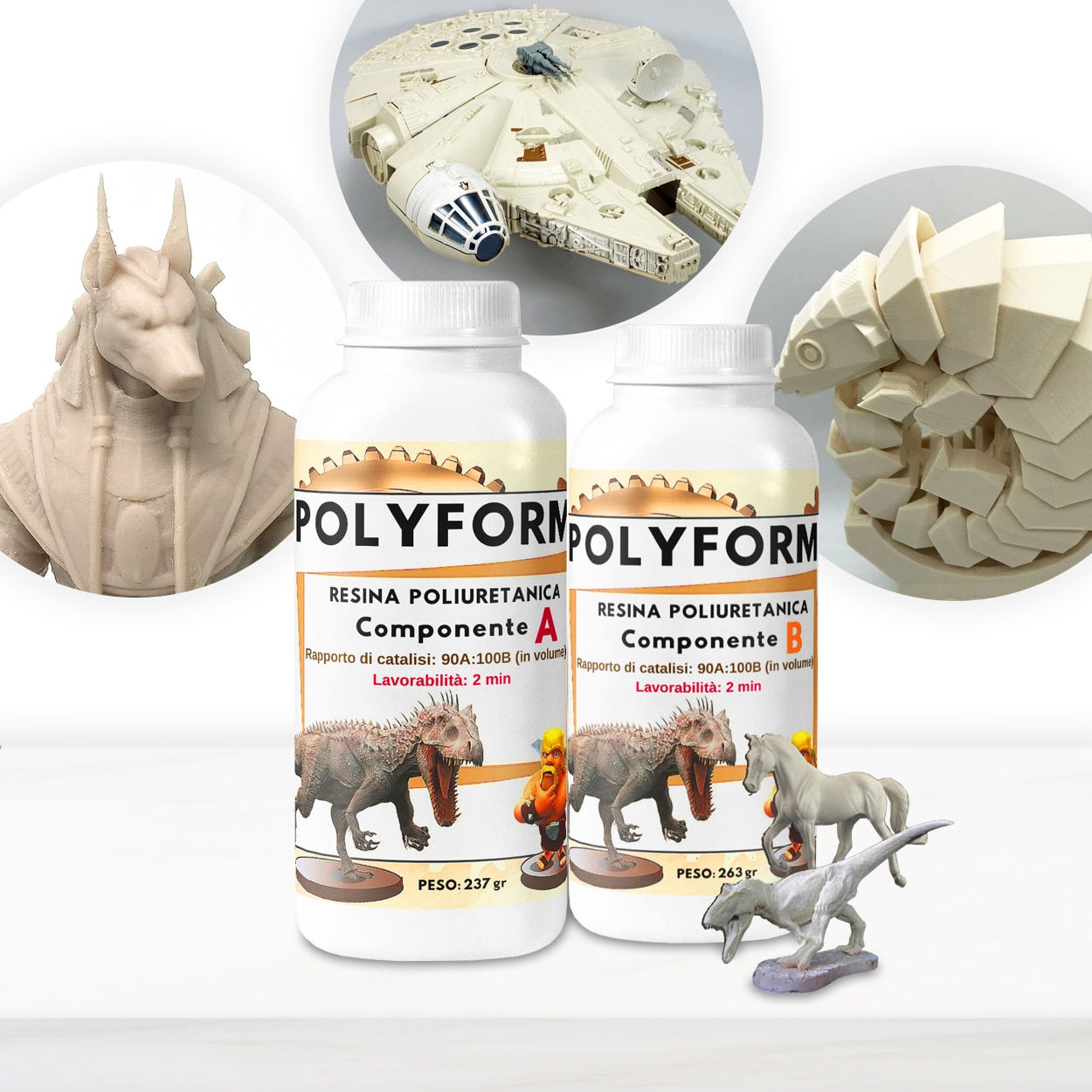
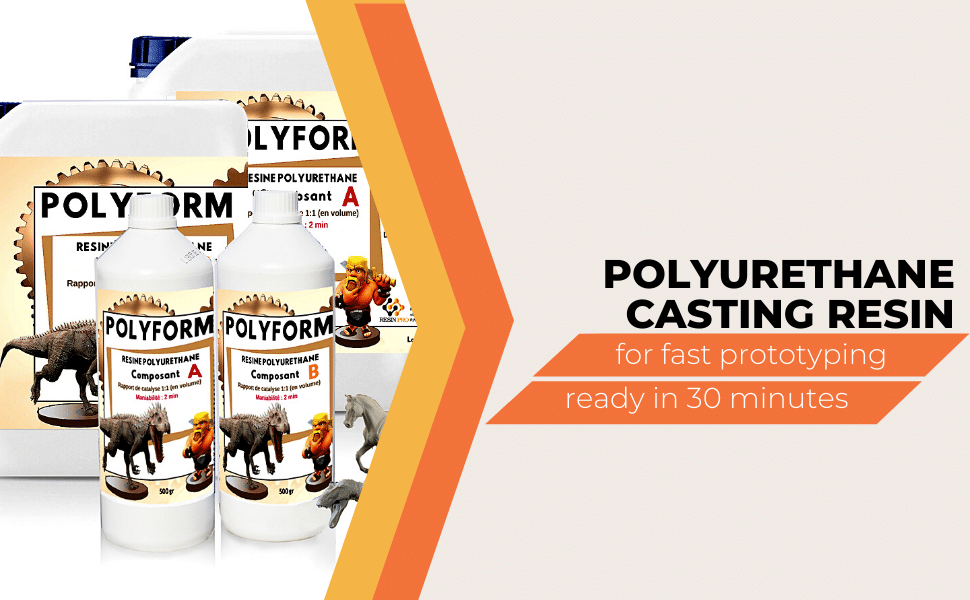
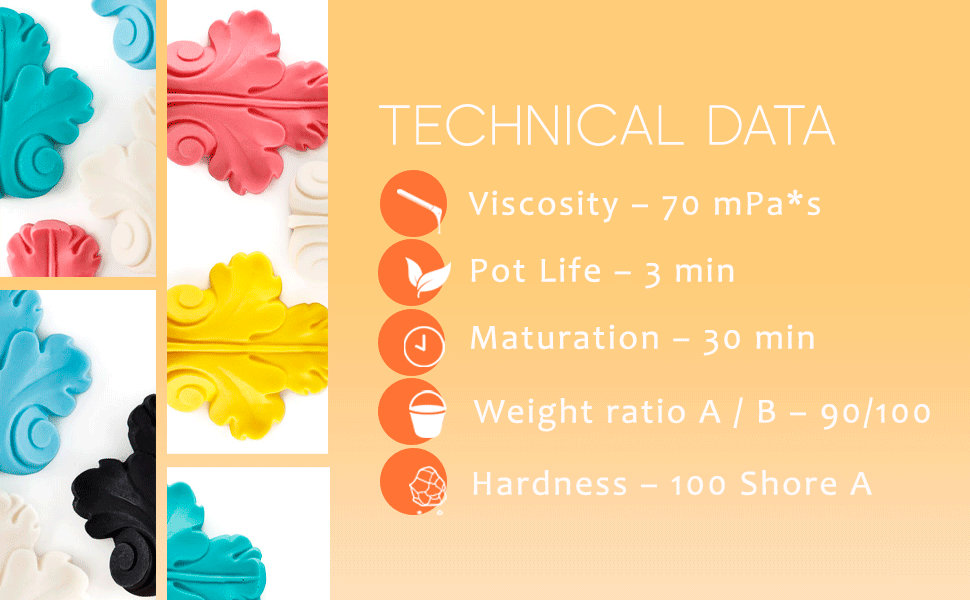
The Polyform polyurethane casting resin exemplifies a robust thermosetting resin. Once its two liquid components are thoroughly mixed, Polyform sets in about 5 minutes, offering excellent wear and tear resistance with a Shore A 100 hardness rating. Its high fluidity makes it especially useful for detailed silicone moulds and complex prototype designs. Thanks to its rapid curing, Polyform is ideal for industrial designers, engineering professionals, and model makers requiring fast, repeatable results for small batch runs.
One of the key advantages of Polyform is its non-toxic profile once cured, contributing both to user comfort and environmental safety. Its beige colour is fixed and not dye-compatible, but this enhances its stability and consistency across batches. For best results, maintain an ambient temperature above 8–10°C during curing, and follow the 90/100 mixing ratio by weight as recommended on the Polyform product page.
Epoxytable 10-Ten – Deep Pour Epoxy Resin for Artistic Projects
Representing the epoxy class of thermosetting resins, Epoxytable 10-Ten is uniquely engineered for super-deep casting applications up to 10cm. This makes it the go-to material for river tables, large resin artworks, and demanding crafts requiring pristine clarity and minimal yellowing – UV filters guarantee non-yellowing for up to five years. Its extremely low viscosity ensures bubble-free pours and a longer working window, so you have time to perfect your design.
While Epoxytable 10-Ten is the ideal choice for one-pass pours up to 10cm, thinner layers (under 0.5cm) may need alternative formulations for optimal adhesion and finish. This deep pour resin demonstrates the non-thermoplastic, permanent nature of epoxies – once fully cured, the bond achieved is irreversible, providing lasting strength and brilliant visual aesthetics. Find detailed pouring and layering tips in the Epoxytable 10-Ten overview.
Resin Fibreglass Repair Kit – Polyester Resin for Structural Repairs
The Resin Fibreglass Repair Kit is a classic example of a thermosetting polyester resin in a ready-to-use form, ideal for both emergency and planned repairs. The kit combines a high-grade orthophthalic polyester resin and a fibreglass mat to deliver impact-resistant, waterproof, and lasting reinforcement on rigid surfaces like boats, swimming pools, tanks, car panels, and pipes. Polyester resins must be mixed with a hardener, and once cured, cannot be reshaped, ensuring a tough, permanent repair that is vastly superior to thermoplastic patch material stability.
This kit stands out due to its comprehensive inclusion of tools and instructions, suiting both beginners and experts. Rigid plastics, metals, wood, and fibreglass are all compatible, making this a universal repair option not only for marine and automotive contexts but also for various composite builds. Read more about the application process and technical tips on the Resin Fibreglass Repair Kit – Complete Polyester Resin and Hardener Set page.
Pure Mould – Silicone Rubber for Durable, Flexible Moulds
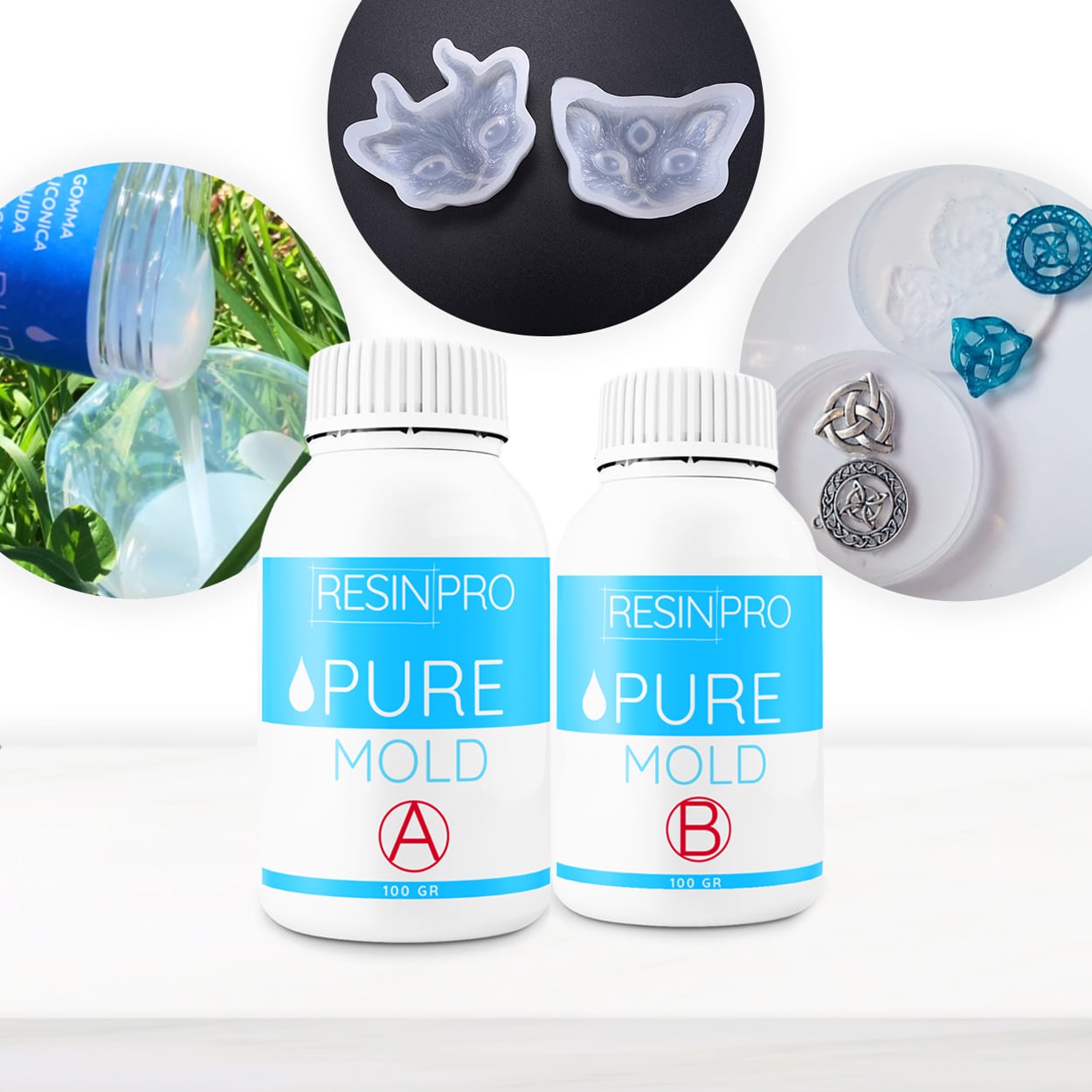
For tasks requiring flexibility and multiple-use moulds, Pure Mould is a fast-curing platinum-based silicone rubber, representing another branch of thermosetting resins. With its 1:1 mixing ratio and catalytic time between 3 and 8 hours, this liquid silicone rubber offers outstanding detail replication for casting with epoxy, polyesters, polyurethanes, acrylics, plasters, and even hot wax for candle making. Its translucent nature allows you to monitor the cure and helps prevent mistakes during complex mould making.
Pure Mould is designed for both hobbyists and professionals aiming to manufacture repeated castings with crisp definition and increased mould longevity. Unlike thermoplastic elastomers, once this silicone rubber is set, it cannot be re-melted or reformed, underpinning its key thermosetting characteristic. For more detail on mould compatibility, shrinkage, and care, refer to the Pure Mould – Translucent Liquid Silicone Rubber for Mould Making information page.
Choosing the Right Resin for Your Project
When evaluating which resin to use, consider:
- Application – Are you casting, repairing, mould making, or finishing surfaces?
- Project scale – For small, detailed items, fast-setting polyurethane or silicone might be best; for large artistic pieces, a deep pour epoxy delivers strength and clarity.
- Mechanical requirements – Structural repair kits with polyester resin ensure rigidity and waterproofing, while silicone rubbers add flexible and reusable options for casts.
- Curing expectations – Thermosetting resins require careful mixing and one-off curing. Temperature, ratios, and working time all impact end results.
Thermosetting options dominate where lasting durability, resistance, and professional finish matter. Reference the 3D models product category, resins for tables and surfaces finishes, complete kits, and Silicone Rubbers sections for additional guidance and solutions tailored to your requirements.
Top Tips for Selecting Thermosetting Resins
Assess project type, required mechanical strength, and necessary finish when choosing between polyurethane, epoxy, polyester, and silicone rubbers. Always check compatibility with your substrate and refer to individual mixing and curing guidelines before starting your project.
- “Polyform” – Polyurethane Casting Resin, Beige, Fast-Setting for PrototypingPrice range: £15.95 through £141.95Polyform polyurethane casting resin offers fast setting and fine detail, suited for prototyping and model making with a beige finish.
- “Epoxytable 10-Ten” – Deep Pour Epoxy Resin for Tables, Up to 10cm CastingPrice range: £35.95 through £351.95“Epoxytable 10-Ten” is suitable for deep pour casting projects up to 10cm, designed with low exothermic reaction and UV resistance.
 Resin Fibreglass Repair Kit – Complete Polyester Resin and Hardener SetThe Resin Fibreglass Repair Kit provides a polyester resin repair solution suitable for structural reinforcement and composite repairs.
 "Pure Mould" – Translucent Liquid Silicone Rubber for Mould MakingPrice range: £23.95 through £166.95Translucent platinum-based liquid silicone rubber for mould making compatible with many materials, suitable for professional and hobby use.
Frequently Asked Questions
What are the main differences between thermoplastic and thermosetting resins?
Thermoplastics soften with heat and can be remoulded, while thermosets cure irreversibly and cannot be reshaped.
Are ResinPro resins considered thermosetting products?
Yes, products like Polyform, Epoxytable 10-Ten, and our fibreglass repair kits are thermosetting, offering strong, irreversible cures.
How do I choose the right resin type for a project?
Consider your application's needs—strength, flexibility, finish—and select a resin with properties matching those requirements.
When should I use epoxy resin instead of polyurethane for prototyping?
Use epoxy for thick, clear castings and aesthetic surfaces; choose polyurethane for rapid, detailed industrial prototypes.
Can thermosetting resins be remoulded after they set?
No, thermosetting resins form a permanent structure and cannot be reshaped or melted again after curing.
Is polyester resin suitable for flexible repairs?
No, polyester resin cures to a rigid, inflexible finish. For flexibility, use a silicone rubber like Pure Mould.
What are common mistakes when working with thermosetting resins?
Errors include incorrect mixing ratios, poor temperature control, and exceeding recommended pour thickness.