 Free shipping on orders over £29,85
  Shipping Tracking!


 Google
 Facebook
← Back to how to make resin stone
Creating an attractive and durable resin stone surface is achievable for both DIYers and professionals, but a few common pitfalls can undermine the results. Awareness of these mistakes can help you achieve a long-lasting, high-quality finish from the outset.
Keep Aggregates Dry and Clean
One of the most frequent errors is using aggregates that are damp or contaminated. Any moisture trapped in the pebbles or stones can react with the resin, leading to poor bonding, curing issues, or unwanted bubbling on the finished surface. Always ensure your aggregates are thoroughly dried—washed, and allowed ample time to air dry—before mixing with resin. Our Washed Pebbles for Permeable Floors are conveniently pre-washed and ready for immediate use.
Mix Resin and Stones Properly
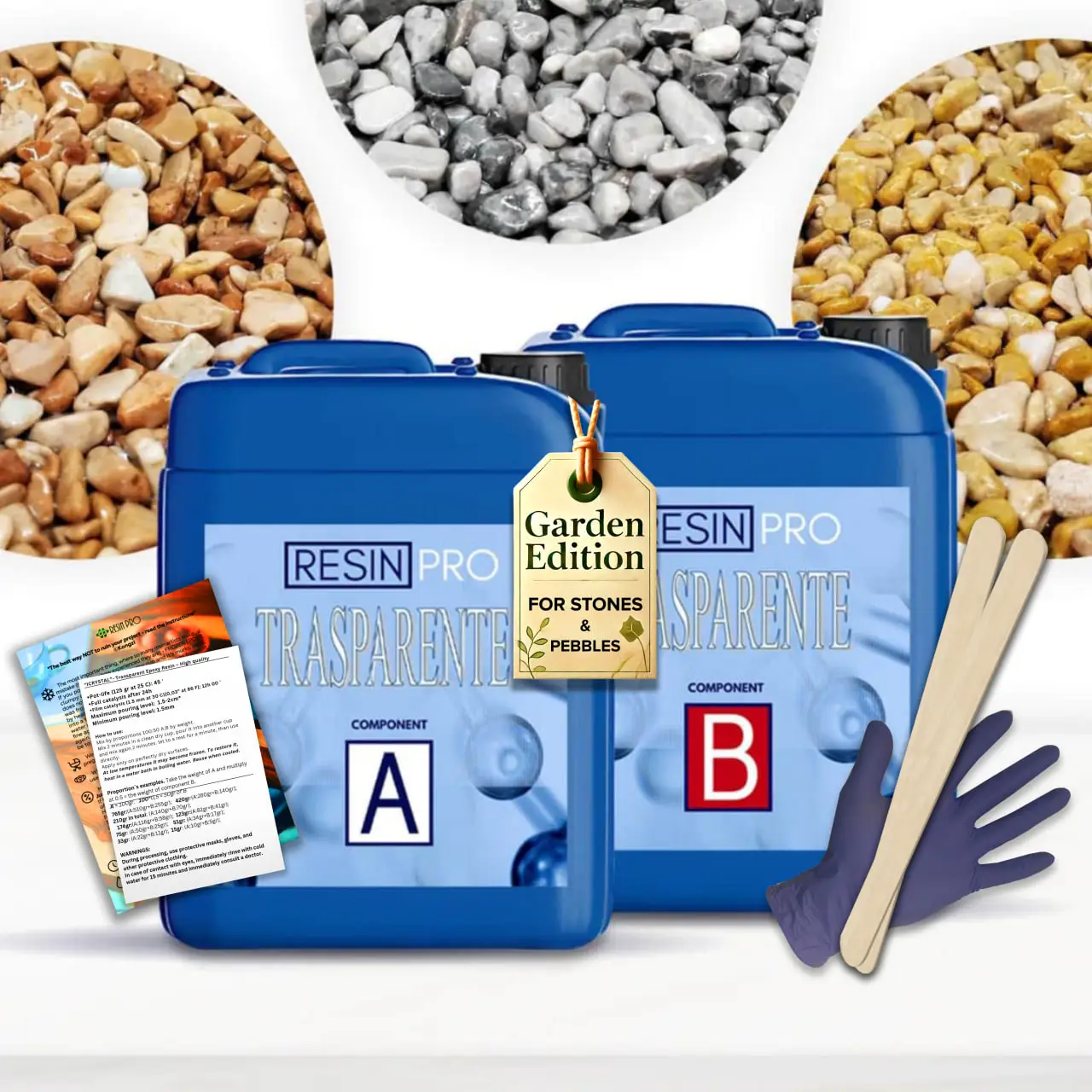
Incomplete or rushed mixing can result in uneven curing, weak points, or patches with a poor finish. Carefully combine the resin binder and aggregates, ensuring every stone is fully coated. Follow the recommended mixing ratio—typically around 3% resin by weight of stone for most projects—to maximise strength and appearance. A thorough blend is particularly important when working with products like the “Trasparente” – Epoxy Binder for coloured pebbles and grits, which offers a clear, even finish when used correctly.
Avoid Poor Weather Conditions
Applying resin stone surfaces during rain, high humidity, or extreme temperatures can seriously affect how the resin cures. Cold, damp, or very hot weather may slow or even prevent proper hardening, while unpredictable weather risks damaging the unfixed surface. Plan installations for mild, dry days if working outdoors, and carefully monitor temperature and humidity as advised in product documentation.
When Attention to Detail Matters
Small oversights—like not compacting the top layer or missing a patch during rolling—can shorten the lifespan of resin stone surfaces. Taking the time to check each stage, from selecting your binder (such as Polirock Polyurethane Binder for white stones) to trowelling off the surface, pays lasting dividends in appearance and durability.
Related products
Related guides
Avoiding these common mistakes helps ensure your resin stone surfaces look great and stand up to wear. For more advice and creative ideas, return to our main guide on how to make resin stone.