 Free shipping on orders over £29,85
  Shipping Tracking!


 Google
 Facebook
← Back to how to make lettering for resin
Choosing the correct colourants and pens for resin lettering is essential to achieve crisp designs and prevent potential curing or colour problems in your finished piece.
Compatible Colourants for Resin
When adding colour to resin lettering, stick to pigment powders and acrylic-based pens that are rated as safe for your specific resin type—whether epoxy or UV. Pigment powders mix uniformly with most resins, providing dependable colour dispersion without affecting the curing process. Acrylic-based markers work well once fully dry, ensuring that colour stays sharp and doesn’t bleed or cause inhibition during curing.
- Avoid water-based dyes or pens, as these are rarely compatible and may interfere with curing or clarity.
- Test new colourants or markers on a small sample before working on your main project.
Practical Tips for Great Lettering Results
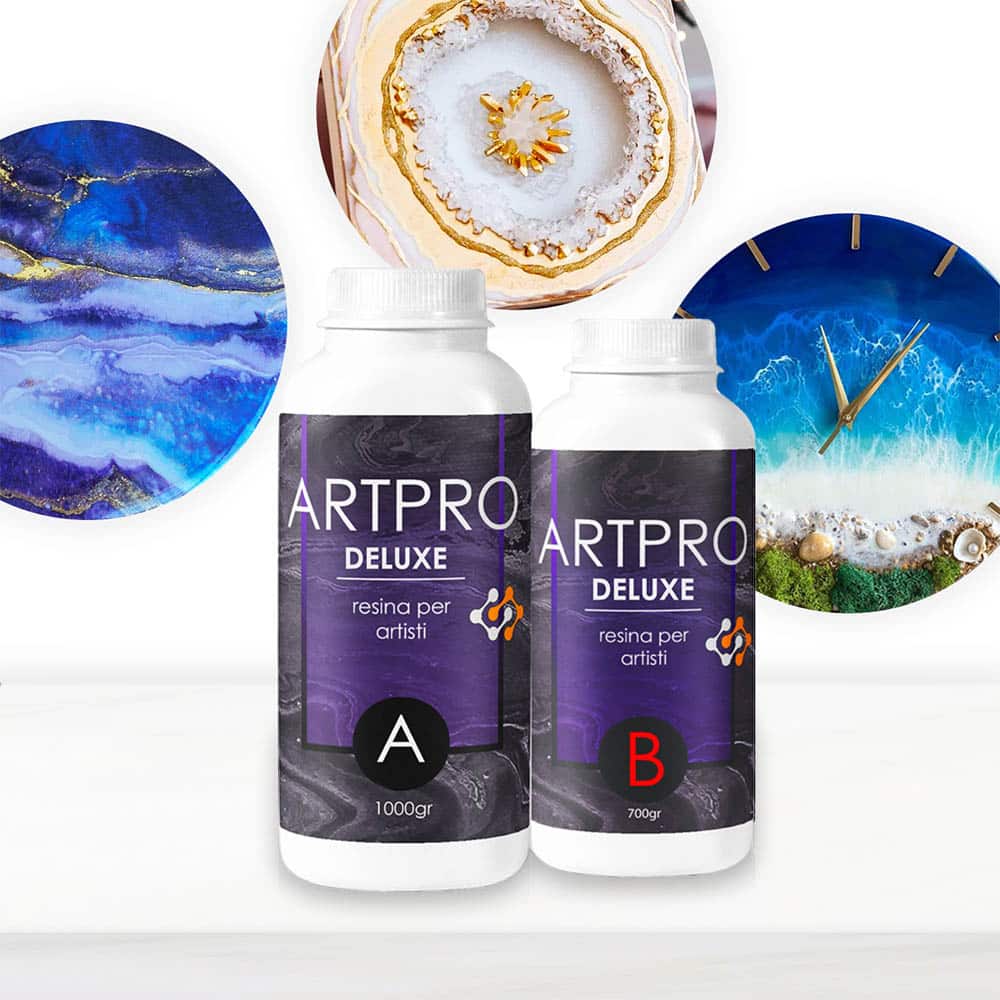
Always choose high-viscosity resins, such as the Art Pro Deluxe Ultra-High Viscosity Epoxy Resin, for detailed lettering. These formulations help maintain line definition and prevent colours from blending unintentionally. For best results with pens, apply designs after your pour has partially cured, or within the instructions for the resin and pen in use.
- If using moulds or silicone letters, ensure all tools are clean and oil-free to maintain accurate colour and adhesion.
When Colourant Compatibility Matters
Using unsuitable colourants can lead to smudged lines, uncured spots, or dull finishes. This is especially important for detailed works—jewellery, display pieces, or personalised gifts. Reliable pigment choices help ensure professional, durable results that stand out and last.
Related products
Related guides
Selecting the right colourants and pens lays the foundation for clean, lasting resin lettering. For a complete guide to mastering lettering techniques, see our parent hub page.