 Free shipping on orders over £29,85
  Shipping Tracking!


 Google
 Facebook
← Back to How to Prepare a Surface for Resin-Bound Drainage Floors
Concrete Base Treatment
Proper concrete base treatment is crucial when installing resin-bound drainage floors or any decorative, permeable outdoor surface like driveways and patios. These steps lay the foundation for durability, drainage, and a flawless finish. Follow this practical mini-guide to ensure your concrete base is ready for a long-lasting resin-bound system.
Understanding the Importance of Concrete Base Treatment
A correctly prepared concrete base provides:
- Enhanced mechanical strength and stability for the resin system above
- Improved adhesion for primers and resins
- Prevention of moisture and chemical ingress that can lead to failure
- Better drainage and breathability, reducing water pooling and freeze-thaw risks
Step 1: Assess the Existing Concrete Base
Examine the concrete base for cracks, dust, oil stains, friable areas, and uneven sections. Good base treatment begins with a solid, clean foundation. For new installations, ensure concrete is fully cured (typically 28 days) before proceeding.
Moisture Test
Concrete must be dry before applying primers or resins. Use a moisture meter or the classic plastic-sheet test (tape a polythene square to the concrete for 24 hours—no condensation means it’s dry enough).
Step 2: Clean and Repair
- Remove debris: Sweep or vacuum to clear surface dust and loose material.
- Treat stains: Use degreaser to remove any oil or chemical stains. Rinse well and let it dry.
- Repair cracks: Fill cracks with a suitable concrete repair mortar. Allow to cure completely before further work.
- Level out: Grind down any high spots or fill low hollows to achieve a flat, even surface.
Step 3: Prime and Seal the Surface
Priming and sealing the concrete are essential to:
- Lock in surface dust and prevent bubbling or delamination
- Promote maximum resin adhesion
- Seal pores against moisture ascent
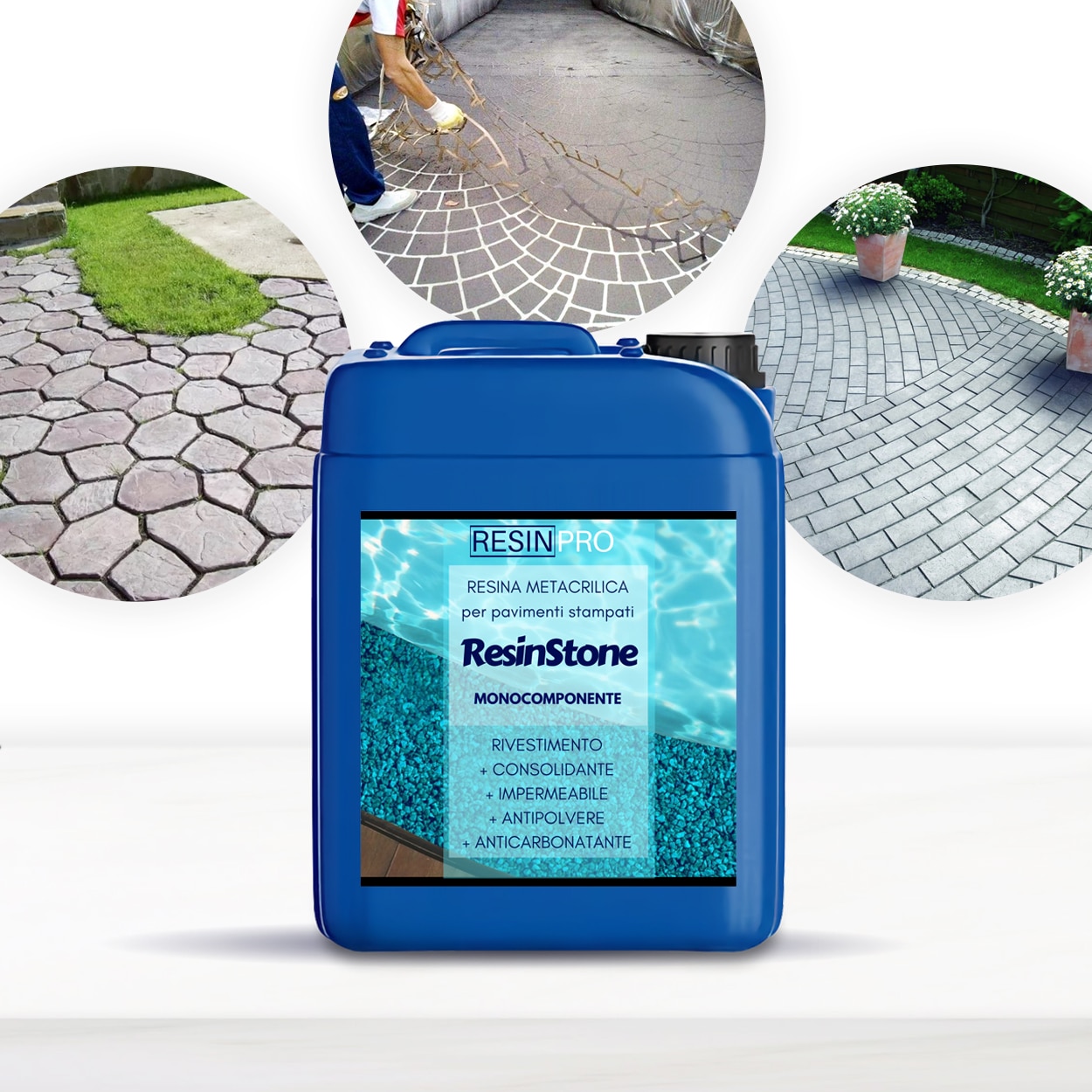
Product Tip: For most resin floor systems, use a compatible primer like Epoxyprimer for reliable adhesion and moisture resistance. If you want to deeply seal and protect, especially in driveways or outdoor paths, a methacrylic resin such as Resinstone may be used—especially if waterproofing and chemical resistance are priorities.
How to Apply Primer or Sealer
- Stir the product thoroughly, following the manufacturer’s instructions for mixing two-pack primers.
- Apply evenly using a roller, brush, or spray. Typical coverage is 100–300 g/m², depending on porosity.
- Allow to cure fully (typically 24–48 hours for water-based primers, 12 hours for methacrylic sealer) before proceeding to resin floor installation.
Step 4: Install the Resin-Bound System
Once the base is sealed and primed, you can proceed to your resin-bound drainage floor according to your surface design and usage—whether driveways, patios, or walkways. For optimal drainage and decorative performance, pre-washed aggregates like Washed Pebbles are ideal in combination with suitable resin binders.
Best Practices and Tips
- Avoid wet application: Never apply resin or primer to a damp surface, as humidity can cause curing issues or surface blushing.
- Work in suitable conditions: Apply in temperatures above 8°C, with low humidity. Protect from rain until fully cured.
- Pay special attention to edges and joints: These are critical for waterproofing. Use appropriate joint sealers if necessary.
- Allow full curing: Let base treatments dry for the recommended time before resin or aggregate application.
FAQs
- Can I use concrete base treatment on old or stained concrete?
- Yes, but repair and cleaning is essential first. Persistent oil stains or highly porous areas may require extra preparation.
- Is surface priming always required before resin-bound installations?
- Yes, priming is important for dust binding, sealing, and promoting adhesion, especially in high-traffic or outdoor settings.
- Which product should I use to seal my concrete prior to adding permeable resin-bound flooring?
- For effective moisture resistance and adhesion, Epoxyprimer is a strong choice. Where waterproofing is critical, consider Resinstone.