 Free shipping on orders over £29,85
  Shipping Tracking!


 Google
 Facebook
← Back to How to harden resin?
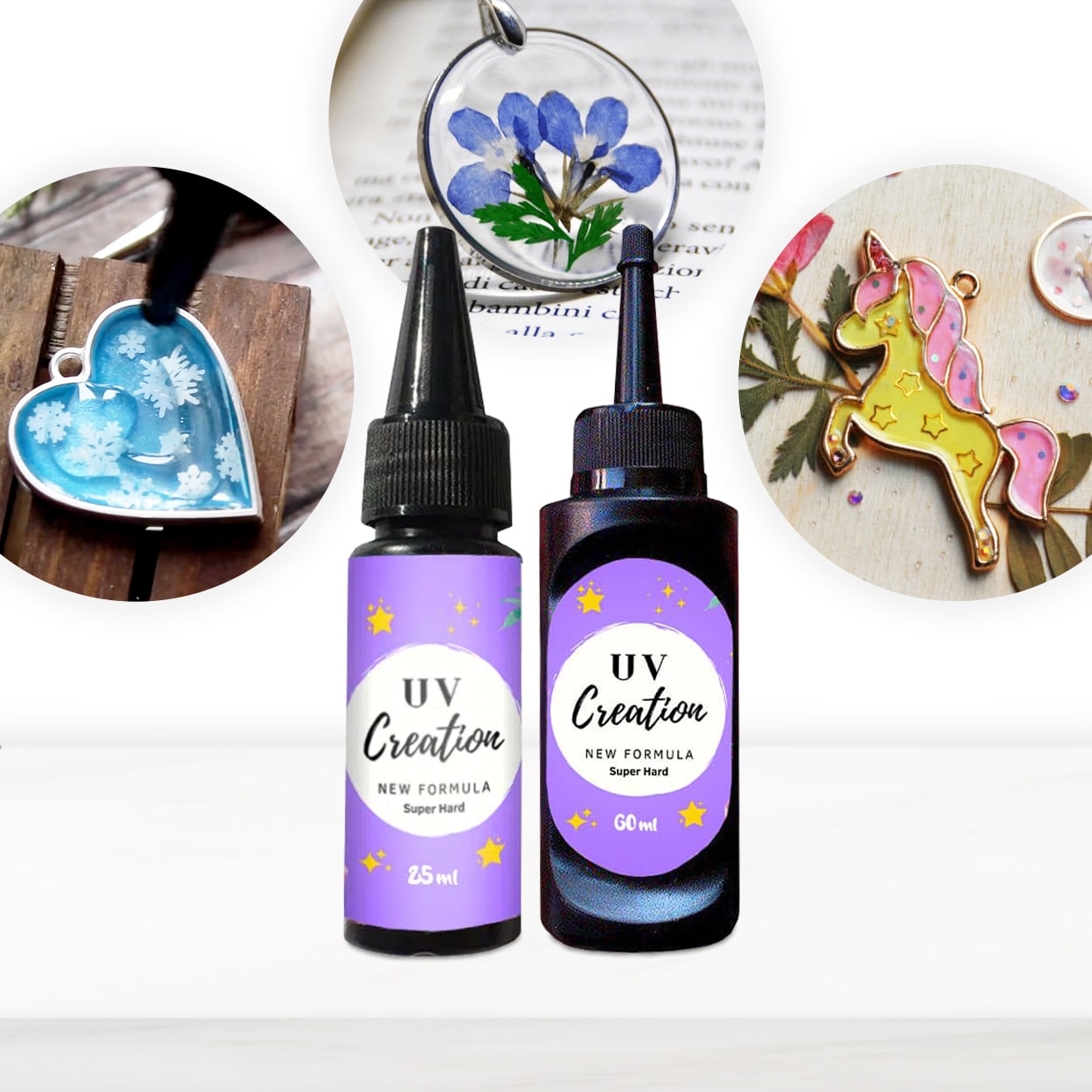

Achieving the right resin layer thickness is crucial for a successful cure and a flawless, glossy result. Whether you are crafting jewellery, creating art, or finishing a 3D print, controlling application thickness helps prevent curing issues and maximises clarity.
Why Layer Thickness Matters
Resin hardens best when applied within recommended thickness limits. Too thick a layer can result in incomplete curing, especially with UV resins or fast-set epoxies, while layers that are too thin may not deliver the desired strength or finish. Applying resin in controlled, uniform layers ensures each application cures thoroughly and reduces the risk of bubbles or cloudy surfaces.

Practical Tips for Smooth, Even Layers
- For UV resin, such as UV–Creation, work in layers no thicker than 3 mm to guarantee full UV penetration and a crystal-clear finish.
- Pour epoxy resins slowly, allowing self-levelling and using spreading tools for uniform coverage.
- Tackle larger projects in several thin applications. Allow each layer to cure before adding the next for strength and clarity.
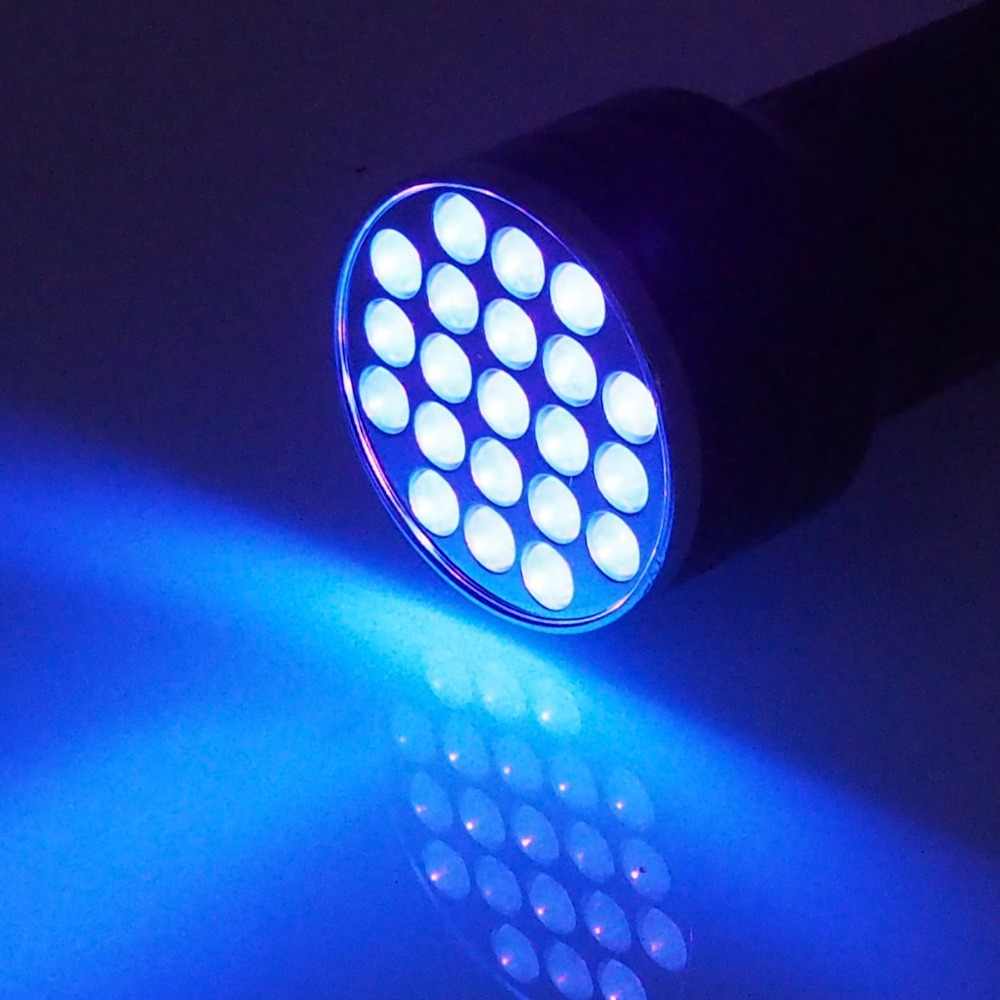
- If using a UV torch, ensure the light covers the whole area for consistent results.
When Controlling Thickness Makes a Difference
Paying close attention to application thickness is especially important when creating jewellery, domed coatings, or intricate craft projects. It prevents overheating, cures resin evenly, and enhances the professional look and durability of your finished piece.

Related products
Related guides
Taking the time to control resin application thickness will help you achieve predictable, high-quality results. For more insights on optimising your resin projects, visit our full guide on how to harden resin.