 Free shipping on orders over £29,85
  Shipping Tracking!


 Google
 Facebook
← Back to How do you calculate how much resin is needed for a table?
If you have calculated the required resin volume for your table project in cubic centimetres (cm³), converting this measurement into litres or kilograms is a straightforward process. This quick guide explains how to accurately translate those figures for a successful epoxy resin mix and pour.
Understanding Resin Volume Units
Craft projects often begin with dimensions in centimetres, resulting in a resin volume measured in cubic centimetres (cm³). For practical buying and mixing, however, you will want to know this amount in litres or kilograms. Thankfully, the conversion is primarily a matter of simple division.
How to Convert: cm³ to Litres and Kilograms
- To litres: Divide your resin volume in cm³ by 1000. For example, 2000 cm³ ÷ 1000 = 2 litres.
- To kilograms: For most epoxy resins, 1 litre is close to 1 kilogram, so the calculation remains the same—just replace ‘litres’ with ‘kilograms’. However, always check your product specs, as actual resin density can vary slightly.
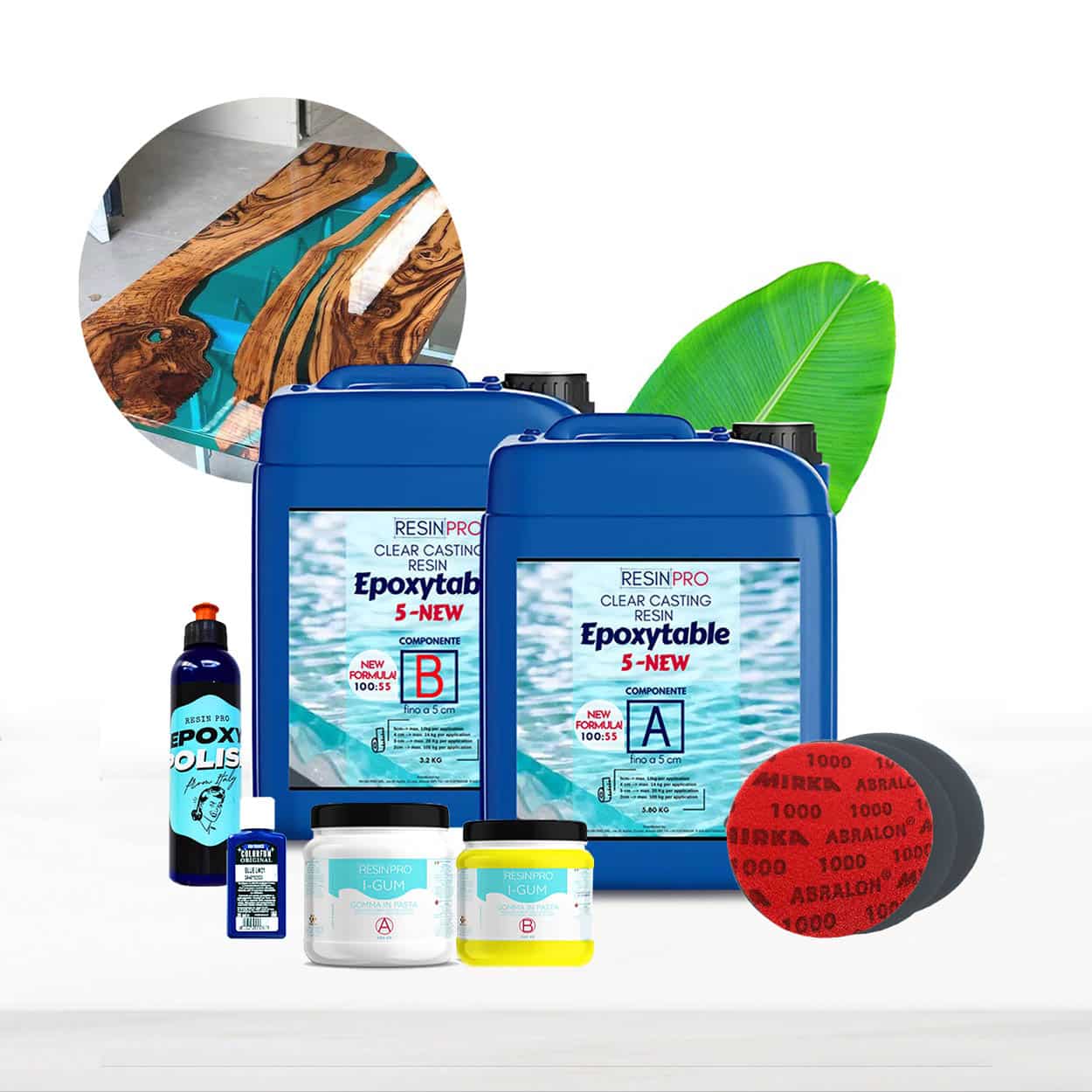
For added convenience, many products—such as the “River-Table” Complete Kit—detail how much resin (in kg or litres) each kit includes, making it simple to match your measurements to available pack sizes.
When This Matters Most
Accurate conversion is essential when selecting which resin kit or pack size to buy, or when preparing precise mixes for layered pours. This helps avoid waste and ensures optimal results, particularly with projects that have limited working times or require layering.
Related products
Related guides
Proper conversion from cm³ to litres or kilograms not only streamlines your planning but also helps you purchase and mix epoxy resin more efficiently. For more on estimating resin quantities for tables, see our comprehensive advice on calculating resin needs for tables.