 Free shipping on orders over £29,85
  Shipping Tracking!


 Google
 Facebook
← Back to How much catalyst to add to resin in winter?
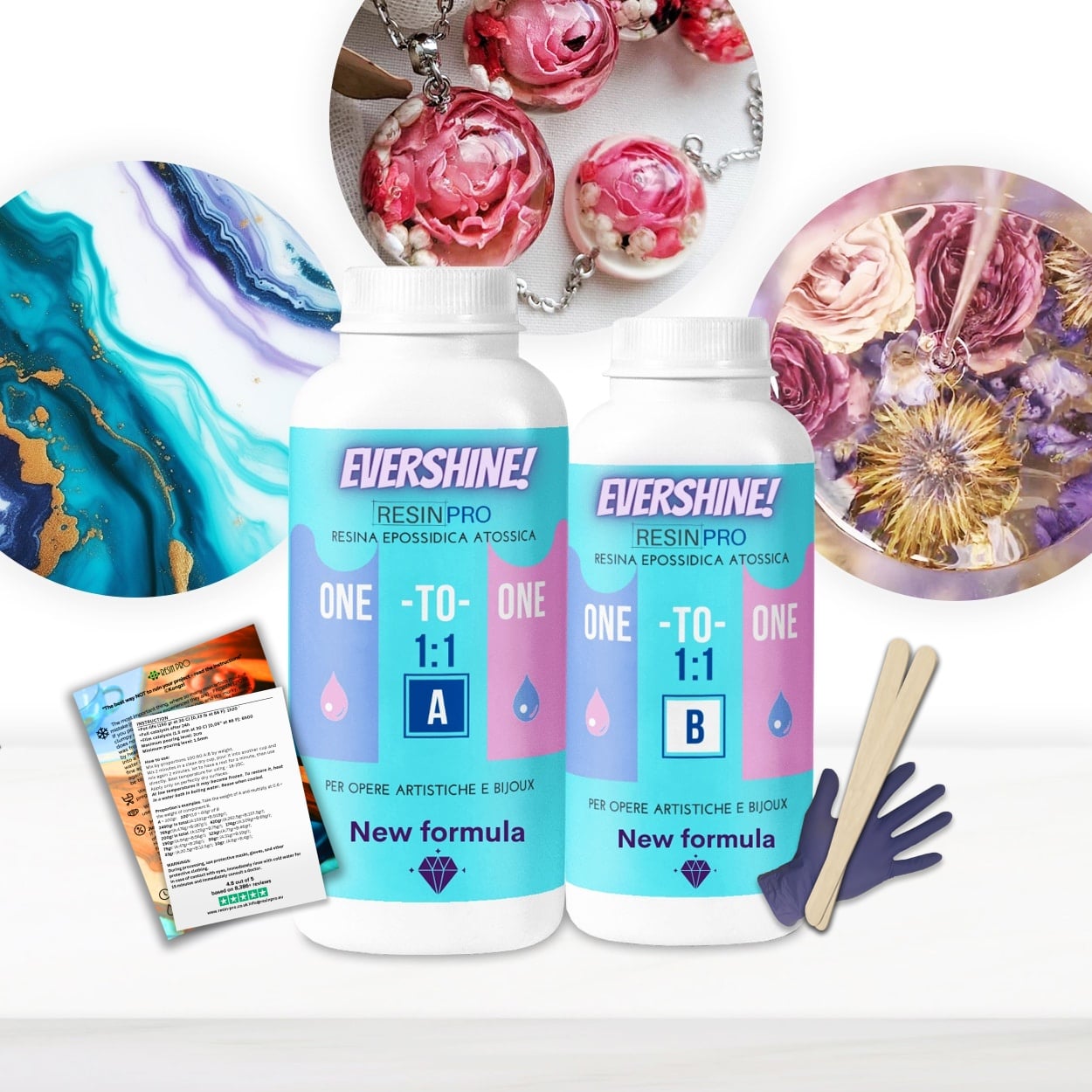
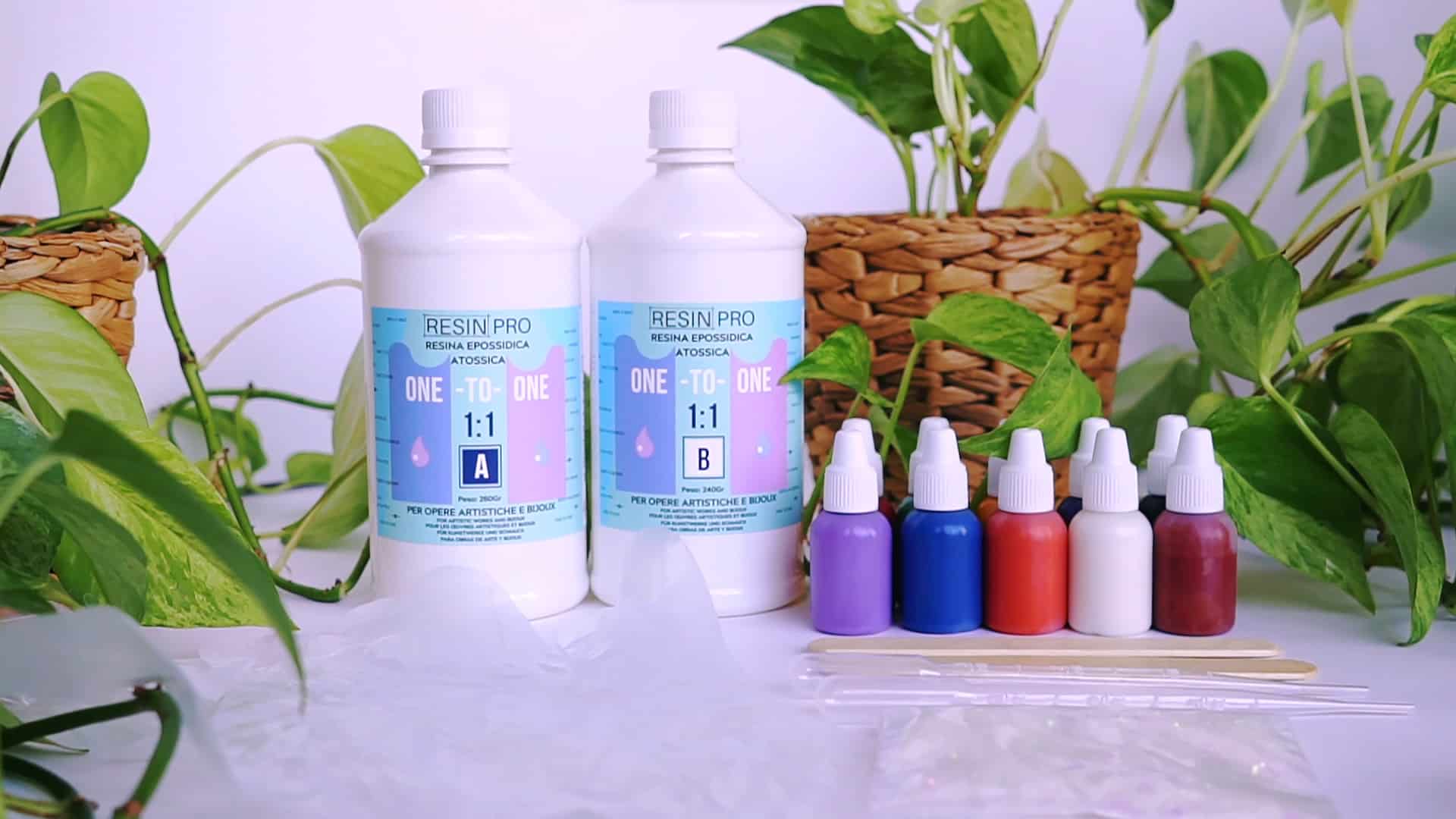
When temperatures drop, it’s tempting to alter your resin mix to speed up curing. However, keeping to the recommended catalyst ratio is essential for reliable, quality results—even in winter.
Why You Should Never Increase Catalyst in Winter
Adding more hardener or catalyst to your epoxy might seem like a quick fix for slow curing, but this approach often compromises both the strength and appearance of your finished piece. Manufacturers test their resin systems for the ideal mixing ratio, and deviating from it can lead to soft, sticky, or even brittle results. Stick with the specified ratios—such as 1:1 for One-2-One Epoxy Resin or 2:1 for Icrystal—to maintain predictable performance, even when the mercury drops.

How to Ensure Proper Curing in Cold Temperatures
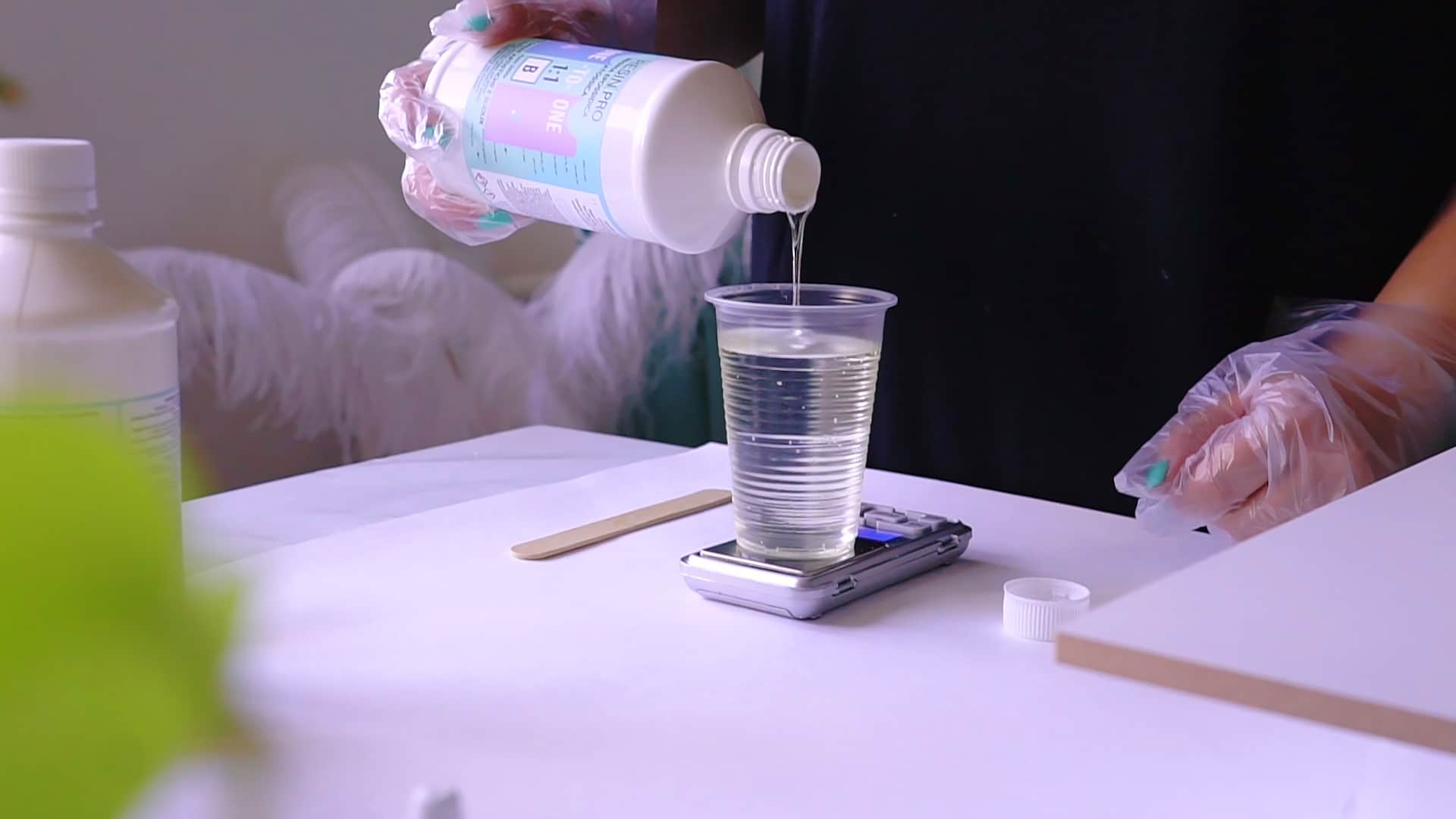
Rather than adjusting your mix, focus on your working environment. Epoxy resins cure best at room temperature, so aim for a workspace temperature of at least 20°C (68°F). If your area is cold, gently warm your resin bottles in a water bath before mixing and use a space heater to bring your workshop up to temperature. Allow for longer curing times, as reactions naturally slow in cooler conditions.
- Keep resin and hardener containers sealed until use to avoid moisture.
- Pour thinner layers if possible, so heat is retained during cure.
- Check product instructions for winter care tips.
When This Matters Most
Maintaining the correct catalyst ratio is especially crucial for detailed work, deep pours, or larger artistic projects, where improper curing can ruin weeks of effort. Choose quality resins formulated to perform reliably in seasonal temperature fluctuations, such as Icrystal or EpoxyTable 5-Five for deeper pours.
Related products
Related guides
By following the right mixing ratios and properly managing your environment, you set yourself up for resin success all winter long. For more guidance on resin mixing in different seasons, see our advice on how much catalyst to add to resin in winter.