 Free shipping on orders over £29,85
  Shipping Tracking!


 Google
 Facebook
← Back to How to create a mold for pouring epoxy resin?
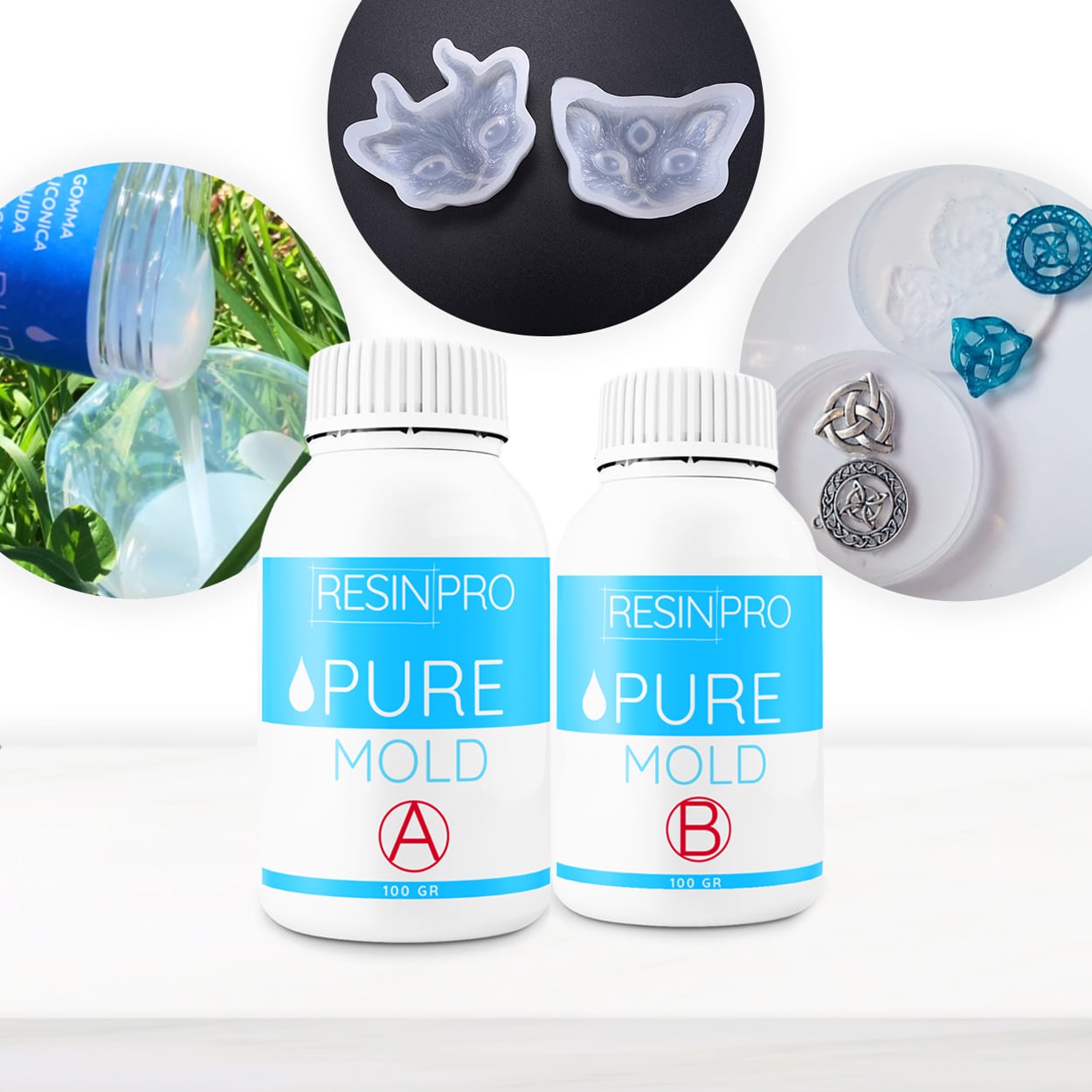
Creating detailed, reusable moulds is essential for successful epoxy resin projects, whether you want fine patterns, crisp details, or simply a mould that lasts through repeated use. With a few careful choices on materials and process, your casting results can improve noticeably.
Choosing the Right Material for Detailed Moulds
Silicone rubber is the preferred material for making detailed and reusable epoxy resin moulds thanks to its flexibility, durability, and non-stick qualities. For intricate designs, a platinum-based translucent silicone such as “Pure Mould” ensures you can capture fine features while monitoring the resin curing process with its transparent finish. Look for formulas that offer an easy 1:1 mixing ratio and a reasonable demould time, making the process accessible for both hobbyists and professionals.
Practical Guidance for Use and Reusability
To create a reusable mould, prepare your master object by ensuring it is clean and free of debris. Apply your silicone rubber evenly, tapping gently to release trapped air and capture details. Allow full curing as recommended. Once cured, carefully remove your mould and store it out of direct sunlight to preserve flexibility. Avoid harsh solvents for cleaning—use mild soap and warm water instead. With proper handling, a quality silicone mould can see multiple resin pours without losing shape or crispness.
When This Matters Most
Detailed, reusable moulds are crucial when consistency and accuracy are key—such as in professional art, jewellery, or small-batch manufacturing. They’re also beneficial for personal projects requiring multiple casts or mould longevity, saving you time and materials in the long run.
Related products
Related guides
Investing effort in your mould-making process ensures smoother workflows and higher quality results for your epoxy resin creations. For broader steps and extra advice on mould design, revisit our main guide on how to create a mould for pouring epoxy resin.