 Free shipping on orders over £29,85
  Shipping Tracking!


 Google
 Facebook
← Back to How to achieve the same effect as two-component resin?
Getting a professional result with resin starts long before the final polish—proper curing temperature is key to achieving clear finishes and reliable durability, especially if you’re aiming for effects commonly associated with two-component systems.
Why Temperature Influences Resin Curing
Every resin, whether a quick UV acrylic or a classic two-part epoxy, needs specific conditions for a solid cure. If the ambient temperature is too low, you may end up with a soft or cloudy surface, tackiness, or incomplete curing. Too high, and the resin might harden unevenly or develop unwanted bubbles. Sticking to the temperature recommended by your resin’s manufacturer ensures both clarity and mechanical strength—vital for jewellery, crafts, and model making.
Tips for Effective Resin Curing
- Check the product’s instructions for optimal curing range—many epoxies cure best between 18–25°C.
- Work in a room with stable temperature and low humidity for consistent results.
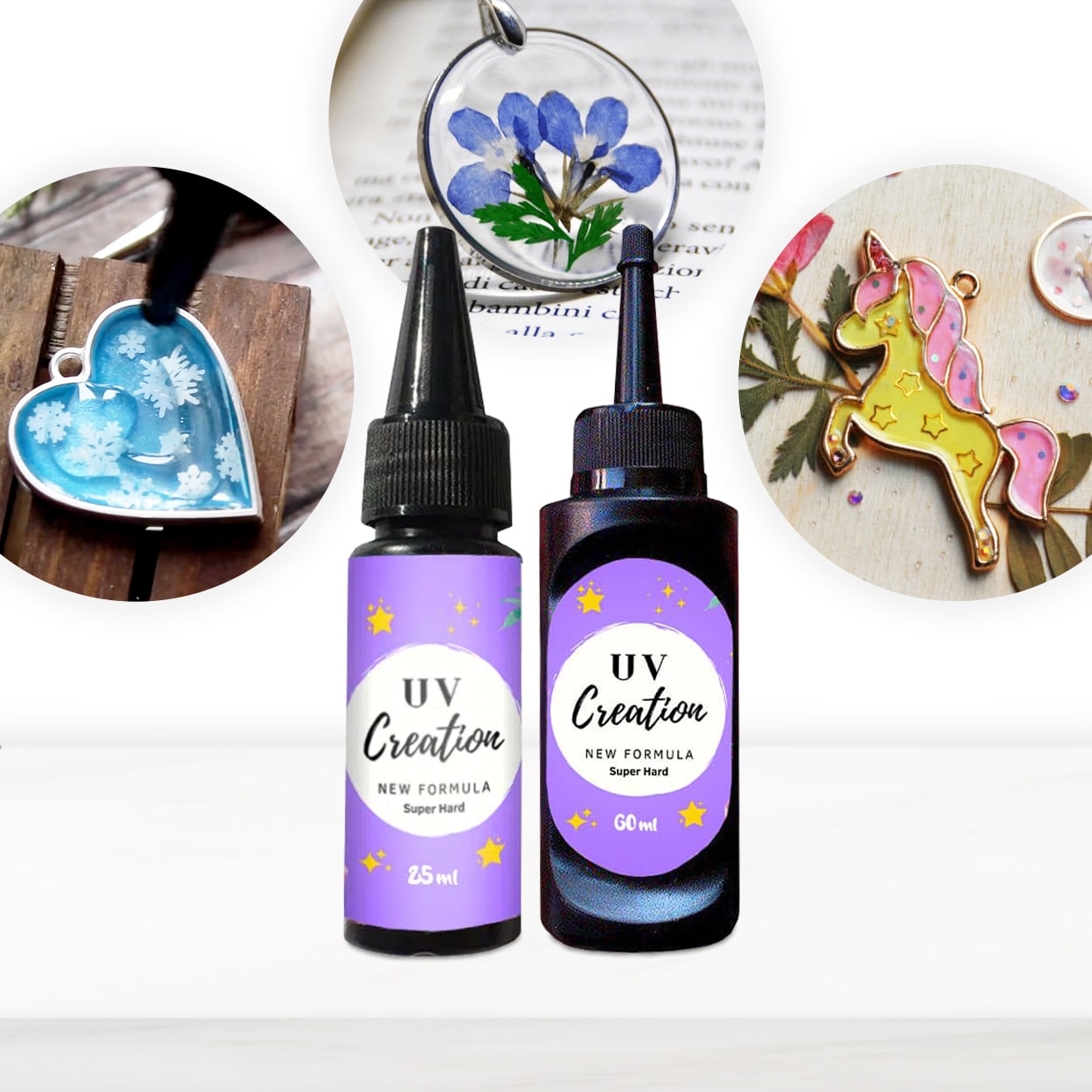
- Consider using a UV lamp with UV-cure resins such as the “UV–Creation” Fast Acrylic Resin, which ensures efficient hardening within minutes.
- If using a two-part system, ensure the surface you’re working on is dry and clean before curing at a steady temperature to avoid defects.
When This Matters Most
Curing at the recommended temperature is especially crucial for projects where clarity and structure can’t be compromised—like resin jewellery, model prototypes with fine details, or when working with clear coats as in the “One-2-One” Epoxy Resin. Following curing guidelines supports both appearance and long-term durability.
Related products
Related guides
Using correct curing temperatures helps even one-part or fast-curing alternatives deliver results similar to traditional two-component resins. For more approaches on replicating those high-quality finishes, visit our main guide on how to achieve the same effect as two-component resin.