 Free shipping on orders over £29,85
  Shipping Tracking!


 Google
 Facebook
← Back to How to Use Two-Component Resin?

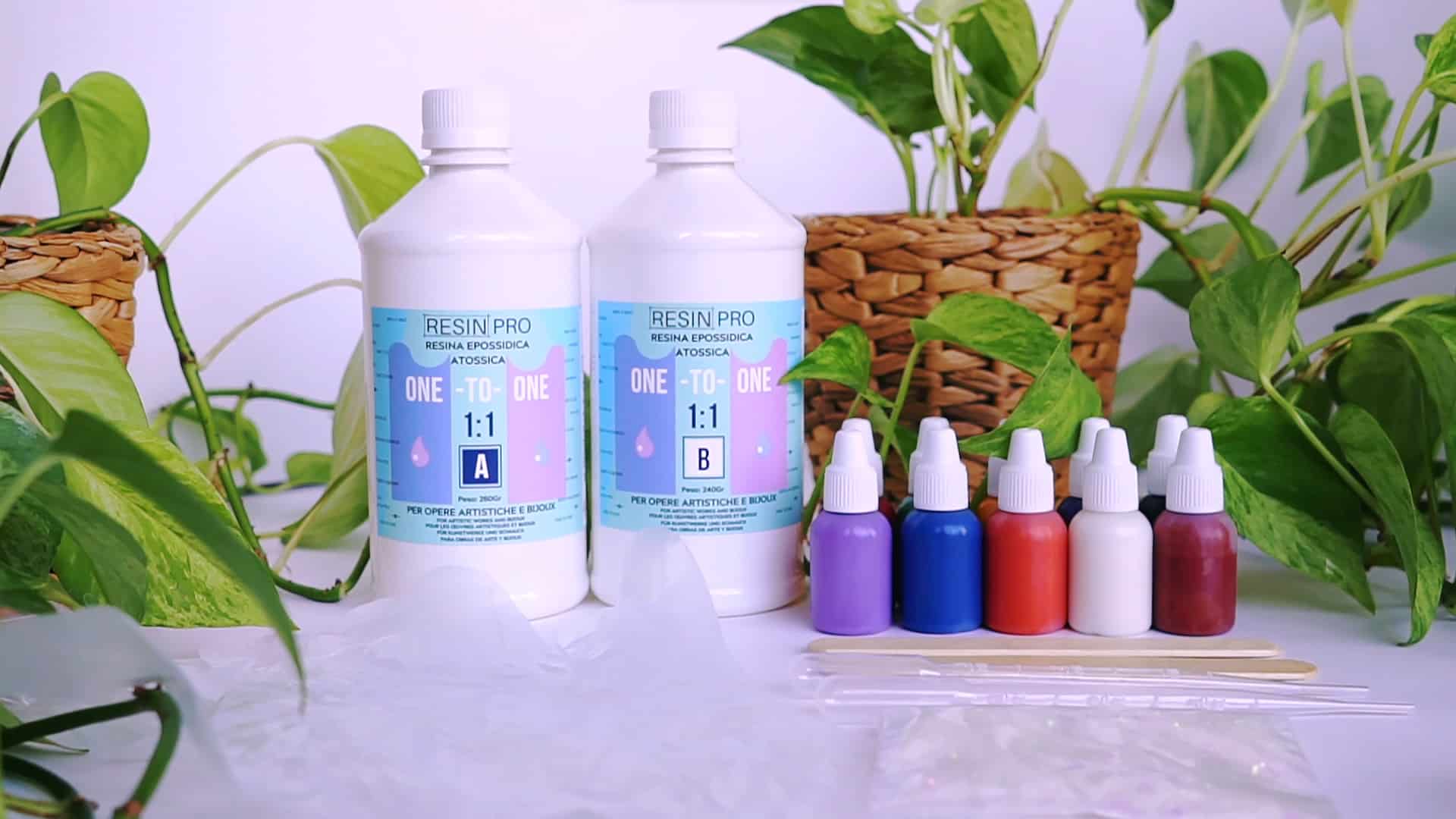
Waiting for two-component resin to cure can be a test of patience. If you’re wondering how to safely speed up the curing process, there are a few reliable techniques—provided you respect the resin’s safety limits.
What Actually Affects Resin Cure Time?
The curing process for resins is driven by a chemical reaction between two components: resin and hardener. Cure times can vary depending on temperature, humidity, resin formulation, and thickness. Warmer environments generally help resin set faster, but pushing it too far can compromise the finish or create unwanted bubbles. Always check your product’s guidelines before attempting to accelerate curing.

Safe Ways to Encourage Faster Curing
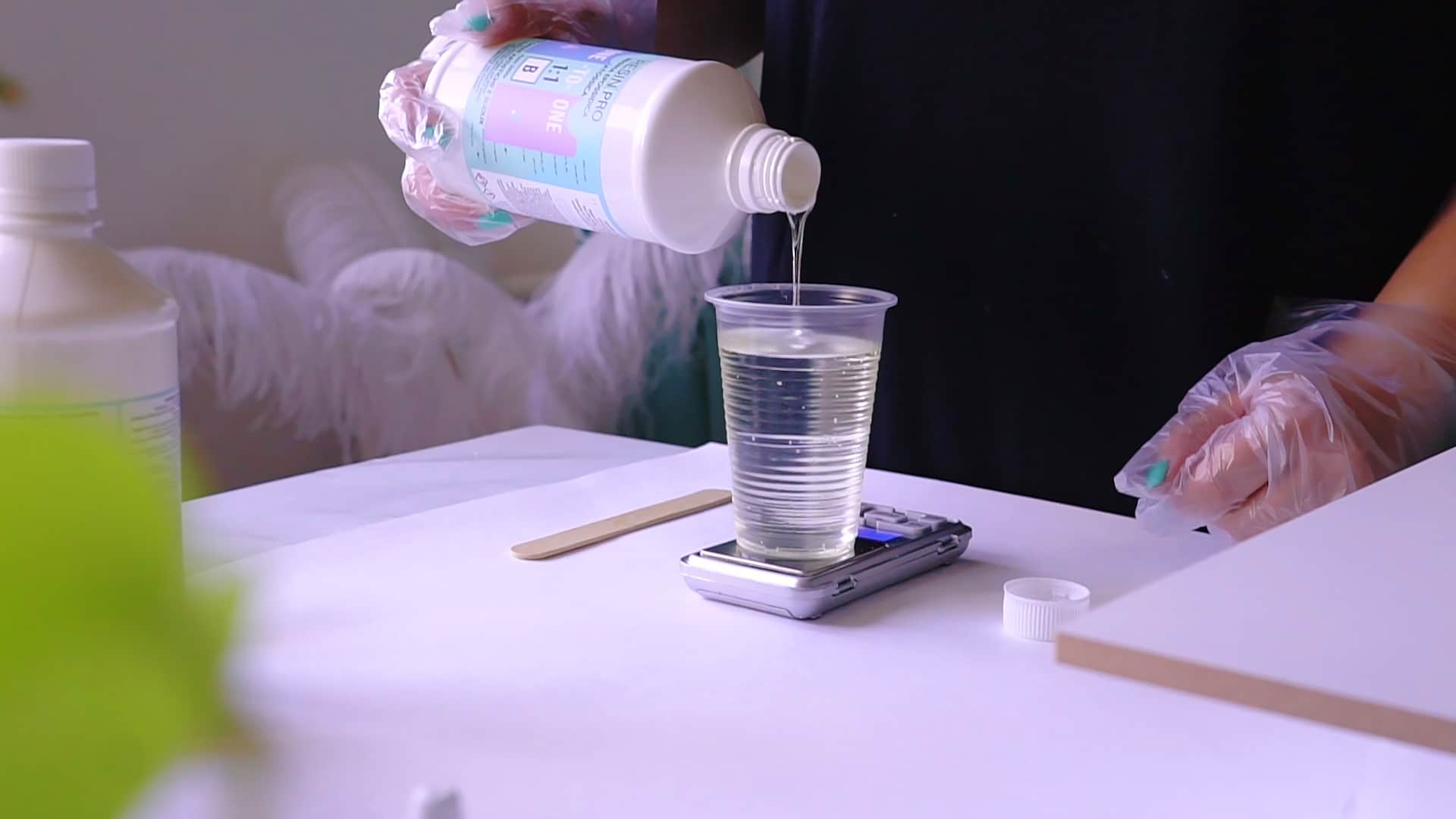
- Slightly Raise the Temperature: Place your mould or surface in a room between 22°C and 30°C. Some crafters use a warming mat, but never exceed the product’s recommended temperature range.
- Thin Pours Cure Quicker: Using thinner layers can help resin set faster and more evenly.
- Avoid Shortcuts: Never add extra hardener to try and speed up curing—this can result in incomplete, soft, or tacky finishes that may not fully set.
For precise measuring of your resin and hardener, a tool like the 2L Graduated Measuring Cup for Resin helps ensure correct ratios every time, contributing to reliable curing.
When This Matters Most
Speeding up resin curing can be useful when you have production deadlines or in cool climates where normal curing is slower. It’s especially relevant for smaller handcraft projects with resins like One-2-One Epoxy Resin that are formulated for ease of use but still require cure time for best results.
Related products
Related guides
Patience and the right environment are key to achieving great resin results. For more details on best practices with two-component resin, visit our main guide on how to use two-component resin.