 Free shipping on orders over £29,85
  Shipping Tracking!


 Google
 Facebook
← Back to how to make polyurethane resin stickers
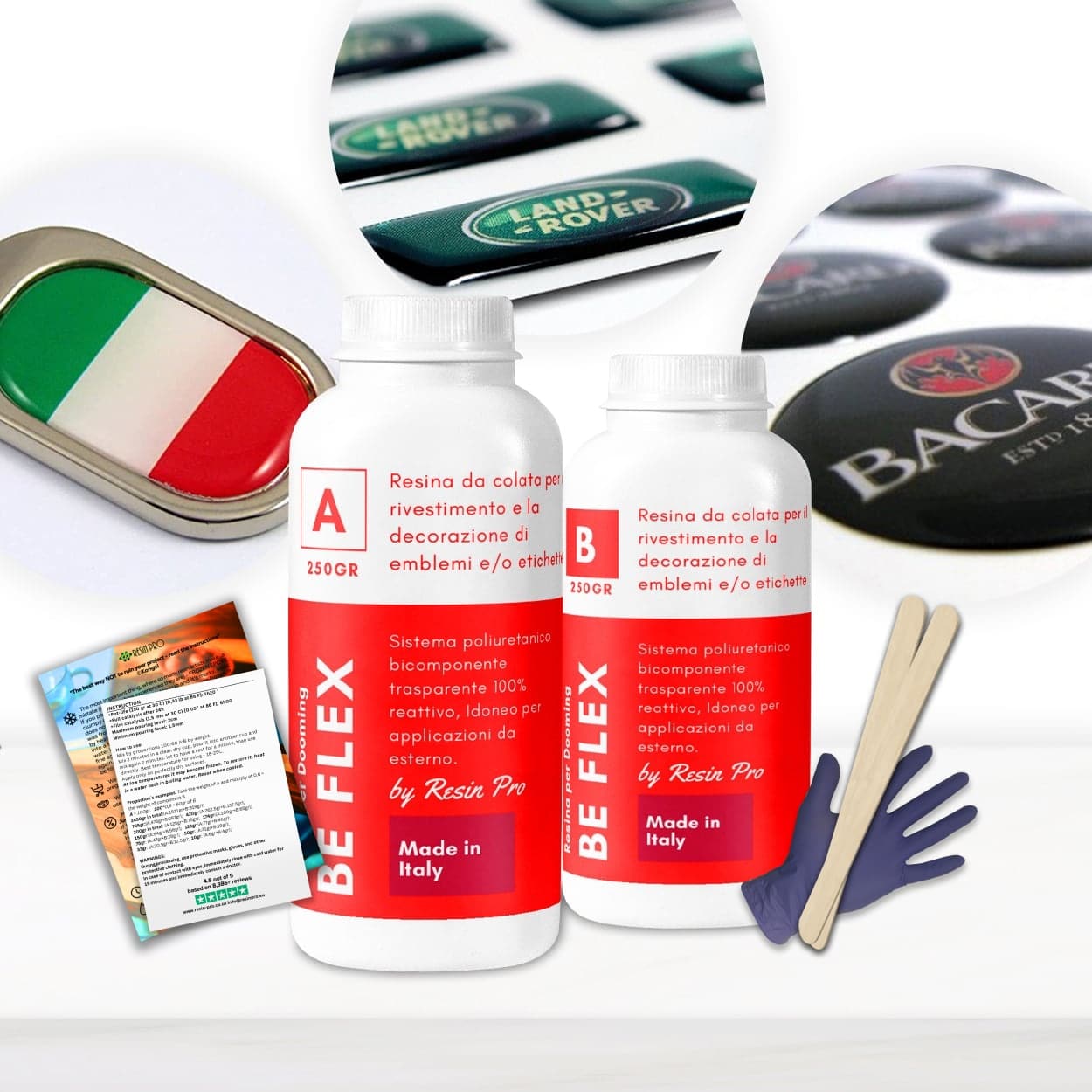
Achieving lasting flexibility in your polyurethane resin stickers depends on ensuring your resin cures fully. Incomplete curing can result in brittleness or tacky surfaces, while proper curing helps stickers maintain their flexibility and durability.
Why Full Curing Matters
Polyurethane resin is prized for its flexible, self-healing properties, but only when it has completely cured. A properly cured sticker resists scratches and remains pliable, making it ideal for curved surfaces or outdoor applications. Rushing the curing process or using incorrect conditions can leave your stickers vulnerable to cracks or yellowing over time.
Tips for Achieving a Complete Cure
- Follow mixing instructions closely; improper ratios or incomplete blending can affect the cure. A dedicated mixing stick ensures even consistency.
- Allow the full recommended curing time—resist handling stickers before the resin has set through its entire phase. Check your resin type for temperature and curing duration guidance.
- Consider the curing environment: keep your project away from dust and out of direct sunlight unless UV curing is required. Stable room temperature conditions help resin cure evenly.
When This Matters Most
Full curing is essential if your stickers or badges will face frequent handling, bending, or exposure to outdoor elements. Stickers cured properly with a specialty polyurethane resin, such as Be Flex, retain clarity, flexibility, and protection against moisture and scratches for the long term.
Related products
Related guides
Taking time to ensure complete curing will deliver flexible resin stickers with a professional finish. For further guidance on creating high-quality polyurethane resin stickers, visit our main guide.