 Free shipping on orders over £29,85
  Shipping Tracking!


 Google
 Facebook
← Back to How are resins injected into concrete construction joints?
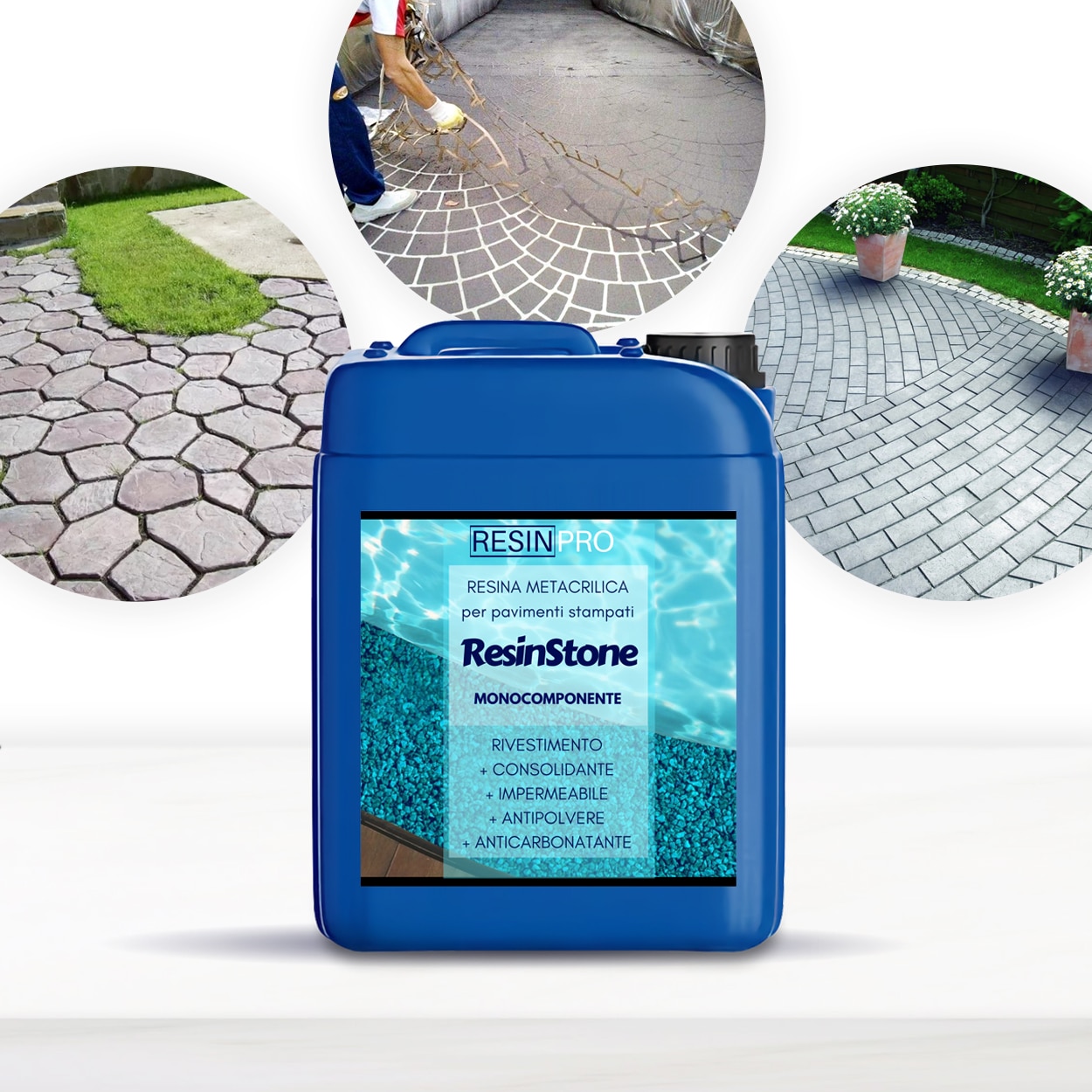

The time required for resin to fully cure inside a concrete construction joint can affect both the durability and schedule of your project. Different resin types have their own curing behaviours, making it important to choose wisely and plan appropriately.
Typical Curing Times by Resin Type
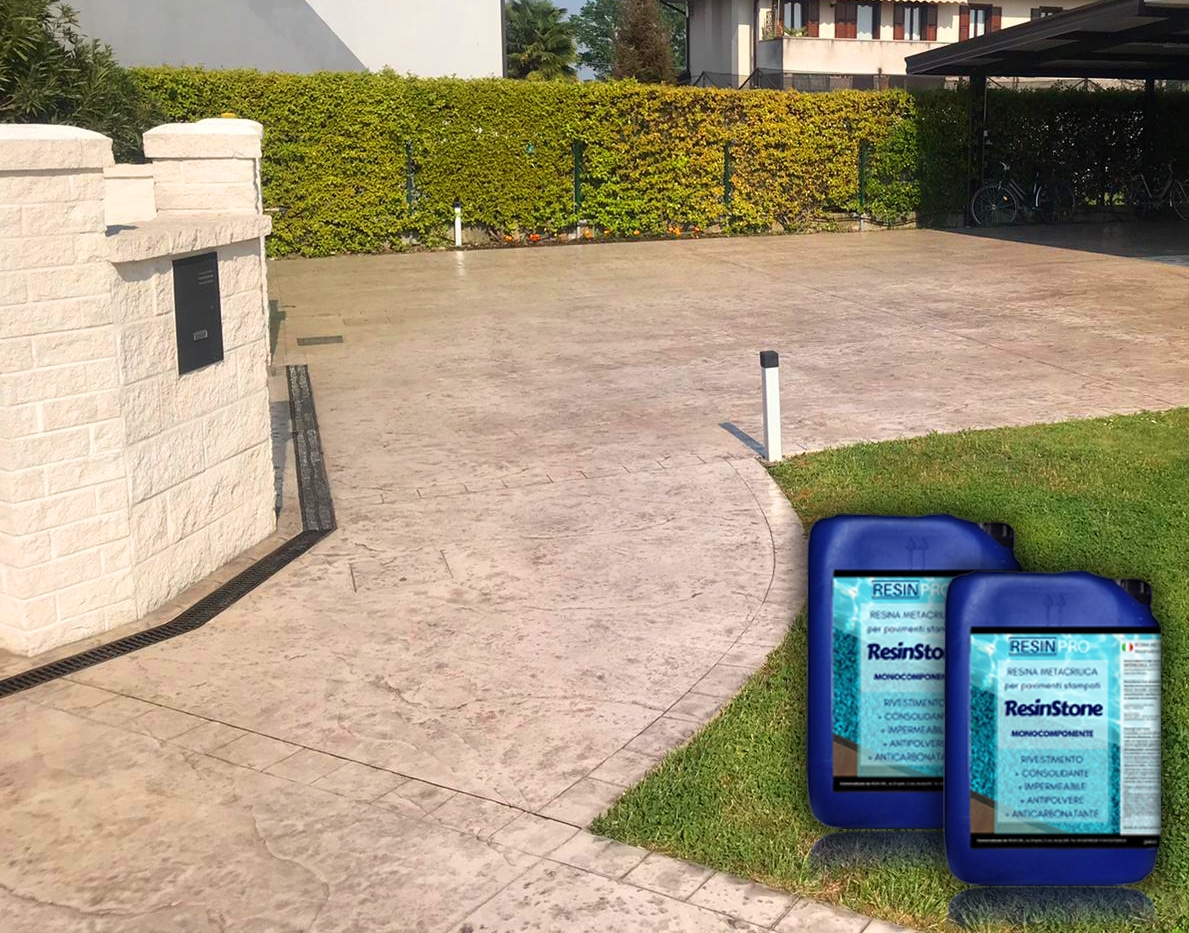
Methacrylic resins are often favoured for joint injection due to their rapid curing, generally achieving full set in under 12 hours. Epoxy-based systems, while offering robust mechanical properties, may require up to 24 hours to cure inside a joint. It is essential to reference the product datasheet or manufacturer instructions for precise timing, as environmental conditions and substrate absorption can subtly shift curing periods.

Practical Tips for Injection and Curing
To achieve optimal results, always follow the recommended mixing and injection procedures. Tools like the “Mixer Nozzle” for Mixing Epoxy Glue ensure a thorough blend, which is key for even curing throughout the joint. Avoid disturbing or placing loads on the treated area until the resin has reached its full cure—especially with slower-setting epoxies. In cooler temperatures, allow additional curing time as set speeds may decrease.
When Curing Speed Matters
- Fast return to service: Methacrylic resins can be advantageous when rapid reopening is required, such as in high-traffic areas.
- Longer working time: Epoxy systems can be beneficial if you need more time for accurate resin placement or joint tooling before set-up.
Related products
Related guides
Understanding resin curing times helps you maintain structural integrity and keep your construction project running smoothly. For more in-depth guidance, explore our main guide on resin injection into concrete joints.