 Free shipping on orders over £29,85
  Shipping Tracking!


 Google
 Facebook
How are resins injected into concrete construction joints?
A step-by-step guide for effective joint sealing with resin
Injecting resin into concrete construction joints is a proven solution for sealing cracks, stopping water ingress, and restoring structural integrity. This guide walks you through the essential steps to successfully perform resin injection on concrete joints, whether you are repairing floors, expansion joints, or structural elements. You will learn the physical techniques, timing, and practical tips needed to achieve a long-lasting, professional result.
What You’ll Need
- “Mixer Nozzle” – For Mixing Epoxy Glue, 50ml, Araldite 2000 Series Compatible – A plastic nozzle designed for precise mixing and injection of epoxy glues.
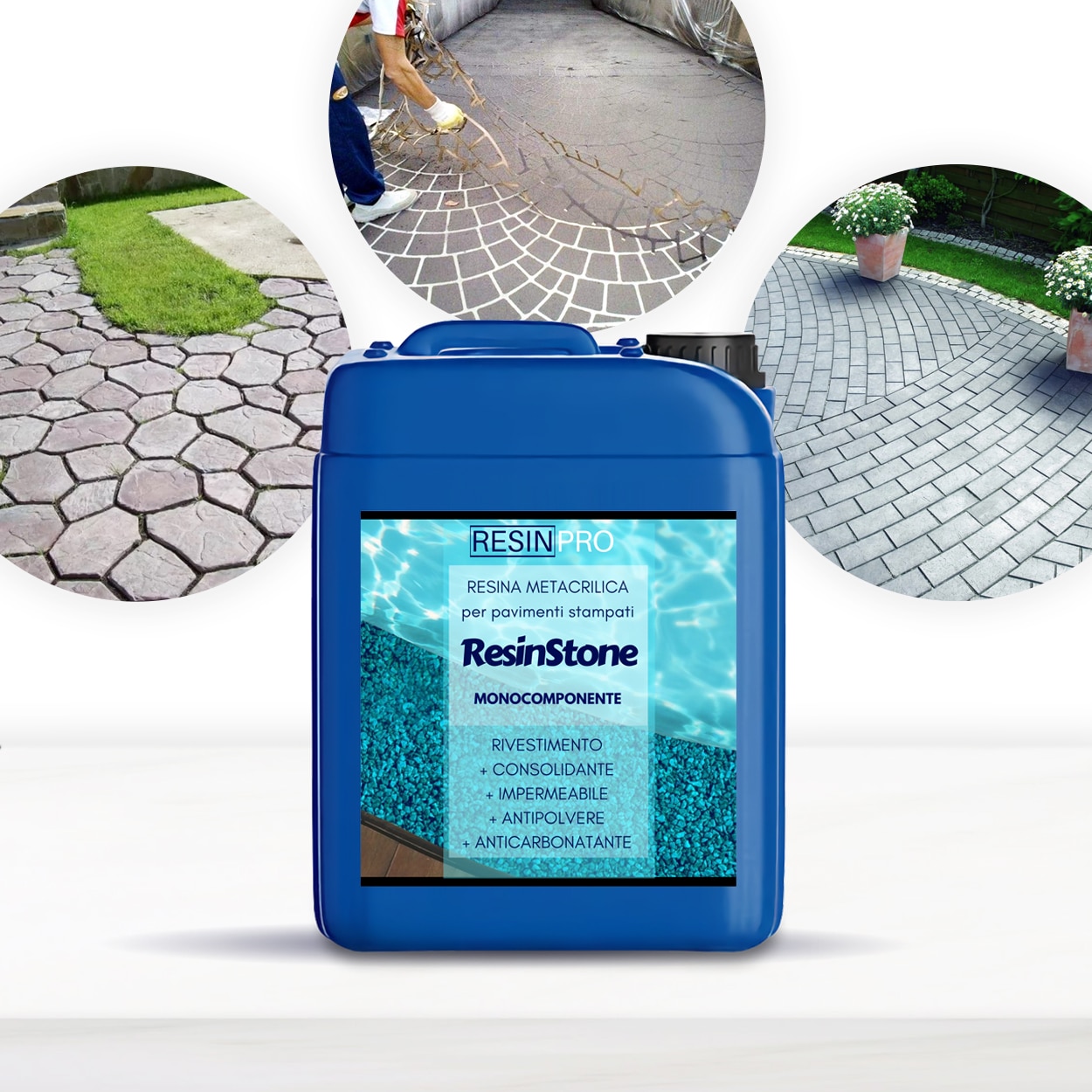
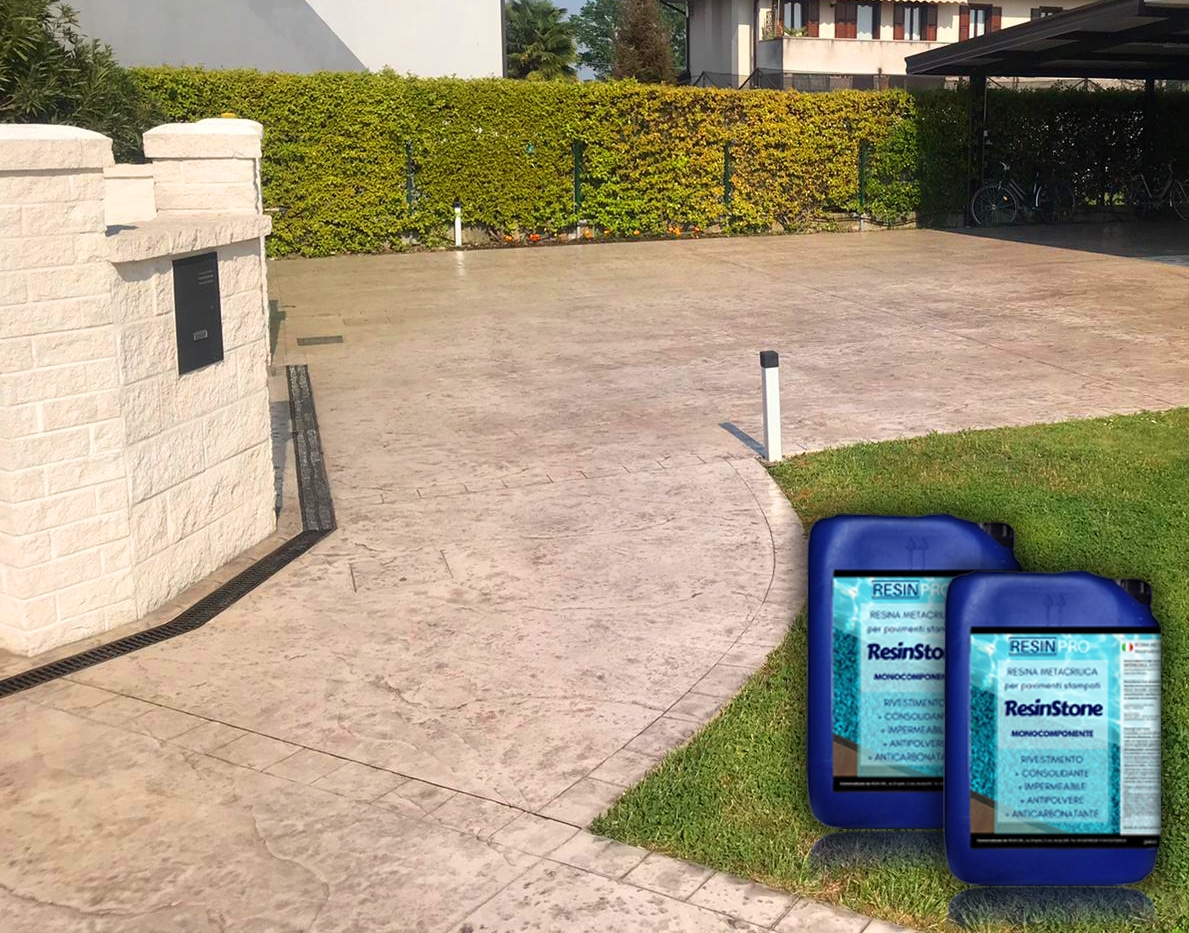
- “Resinstone” – One-Component Methacrylic Resin for Concrete Floors and Driveways – A deep-penetrating resin ideal for sealing absorbent concrete surfaces.
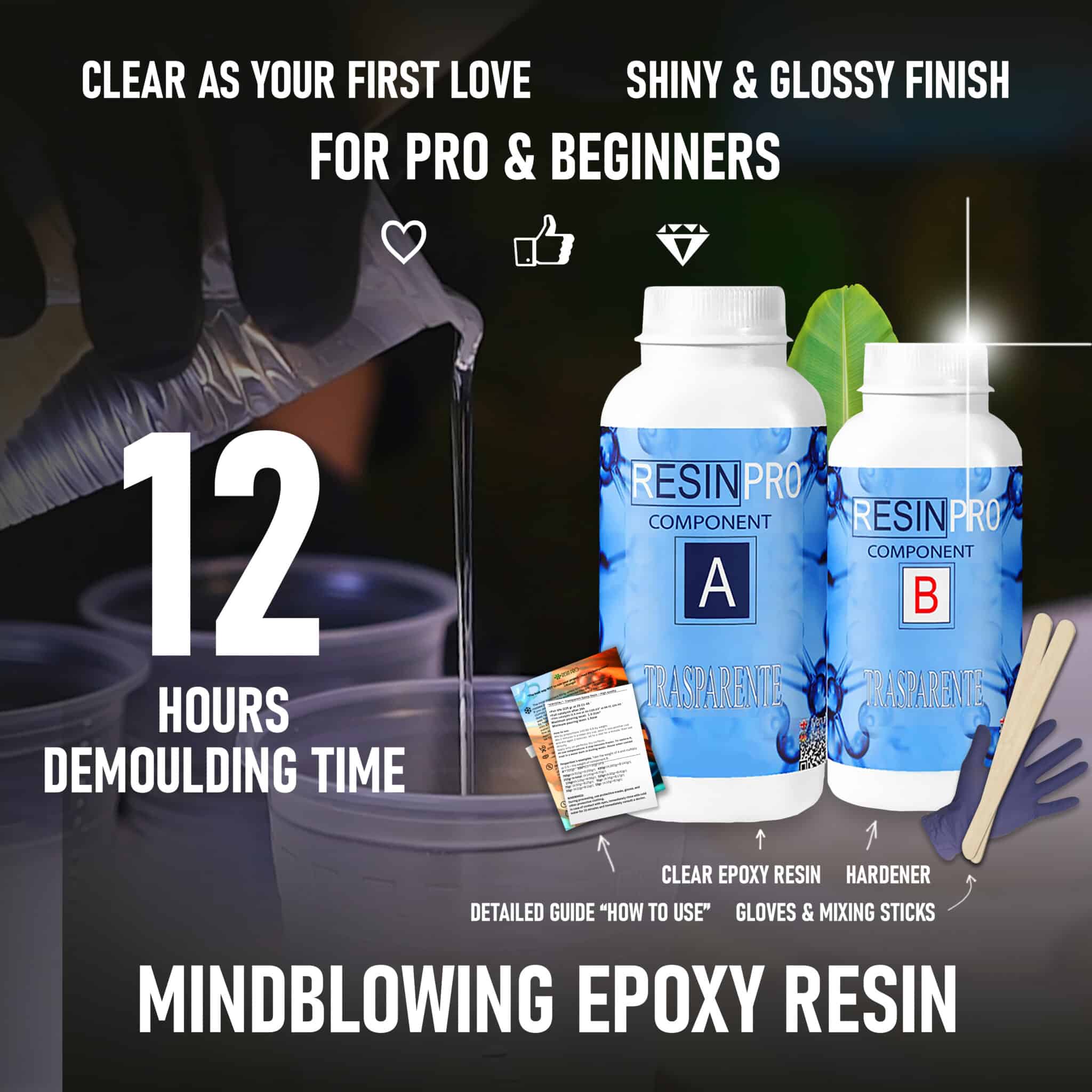
- “Trasparente” – Multipurpose Clear Epoxy Resin for Casting – Up to 2cm – A clear epoxy resin suitable for visible or detailed joint applications.
- Cartridge gun or injection pump (compatible with your chosen cartridge and nozzle)
- Protective gloves and eye protection
- Wire brush, vacuum or compressed air
- Masking tape (to define resin boundaries, if required)

Essential Tools and Resin Selection
Choose high-quality resin and mixing equipment that matches your joint size and project requirements. The right nozzle and resin type simplify application, ensuring optimal results and long-term durability.
Step 1: Prepare the Joint and Surrounding Surface
Begin by ensuring that the joint area and surrounding concrete are dry, clean, and free of dust, debris, or previous sealant residue. Use a wire brush to loosen dirt and a vacuum or compressed air to completely clear the cavity. For stubborn dirt, a mild detergent and rinse may be used, but the joint must be thoroughly dry before the next stage. Good preparation ensures maximum adhesion and penetration of the resin, reducing risk of failure later.
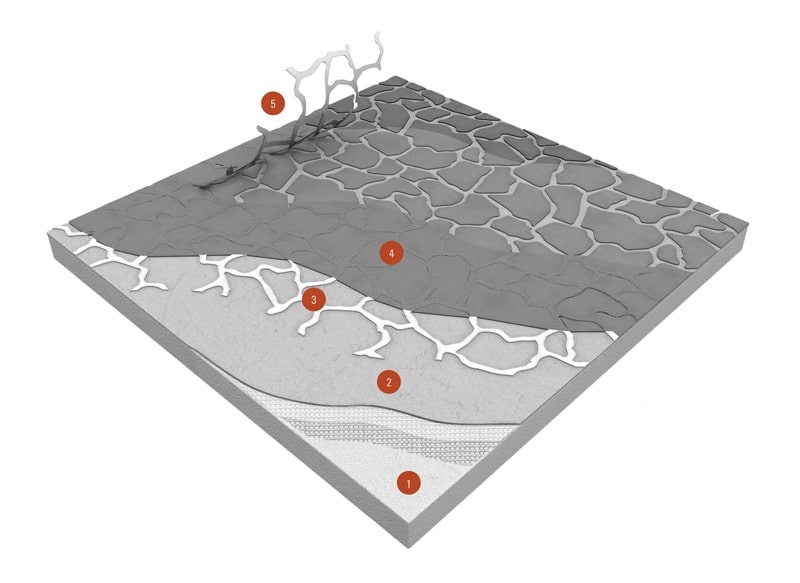
Step 2: Set Up Injection Points and Contain the Area
If you are working on deep or wide joints, drill small holes along the joint to insert injection packers or tubing at regular intervals. Use masking tape on the exposed surface edges to prevent excess resin from spreading beyond the repair zone. For through-joints where resin could leak, seal the underside or sides as needed to contain the material. Plan the injection sequence so resin travels from the lowest to the highest point, displacing air as it fills voids.
Step 3: Mix and Inject the Resin
Prepare your chosen resin according to product instructions. For smaller repairs or fine control, a cartridge system with a dedicated mixing nozzle such as the “Mixer Nozzle” – For Mixing Epoxy Glue, 50ml, Araldite 2000 Series Compatible ensures thorough on-the-spot mixing and accurate delivery. Attach the cartridge to a suitable gun, fit the mixing nozzle securely, and slowly depress the trigger to push resin into the joint or injection packer. Observe resin flow closely and adjust pressure to avoid blowing out the joint or leaving voids. Continue injecting until resin is seen at the following port or until the joint is filled.
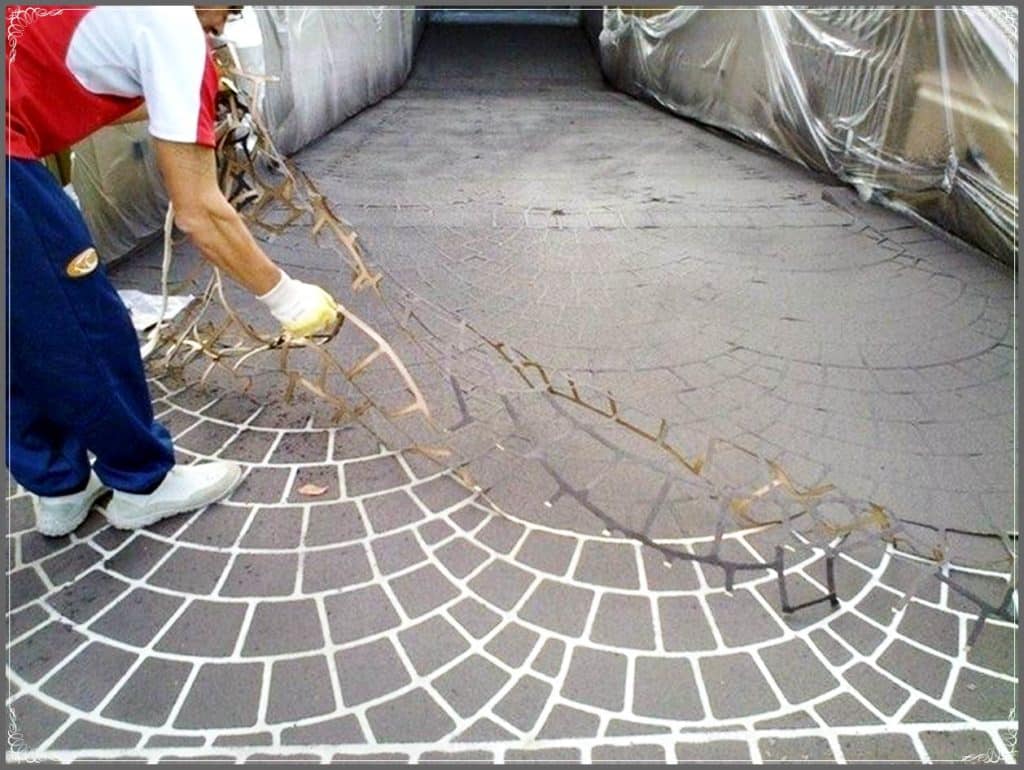

Step 4: Allow the Resin to Cure and Finish the Surface
After injection, leave the resin undisturbed for the manufacturer’s recommended curing time, avoiding disturbance or loading on the area. For methacrylic resins like “Resinstone” – One-Component Methacrylic Resin for Concrete Floors and Driveways, this could be under 12 hours. Once fully cured, remove masking tape and injection packers. If needed, finish the surface by light sanding or patching with concrete repair mortar. For visible or decorative joints, a clear epoxy such as “Trasparente” – Multipurpose Clear Epoxy Resin for Casting – Up to 2cm may be used for a neat, clear finish.
Tips, Common Mistakes, and Troubleshooting
- Proper surface preparation prevents poor adhesion – Do not skip cleaning, as surface dust and moisture are leading causes of failure.
- Work during optimal temperatures for best results – Extreme cold or heat alters resin flow and curing rates.
- Always wear protective equipment and ventilate the work area when using resins indoors.
- Control resin flow to avoid air pockets – Inject slowly and monitor for leaks or air lock that may require reapplication.
- Dispose of used mixing nozzles and clean all tools thoroughly before the resin cures.

Application Demonstrations and Troubleshooting Visuals
See practical examples of resin injection techniques, surface containment, and finished joints to help visualise key steps and avoid common mistakes.

- "Mixer Nozzle" – For Mixing Epoxy Glue, 50ml, Araldite 2000 Series Compatible£1.52A plastic nozzle designed for mixing epoxy glue with Araldite 2000 series 50ml cartridges.
- "Resinstone" – One-Component Methacrylic Resin for Concrete Floors and DrivewaysPrice range: £36.71 through £336.48RESINSTONE is a one-component methacrylic resin designed for sealing and protecting concrete floors and driveways in line with the theme.
- "Trasparente" – Multipurpose Clear Epoxy Resin for Casting – Up to 2cmPrice range: £8.95 through £397.95"Trasparente" is a clear epoxy resin suited for detailed castings and table creation with up to 2cm layer thickness, supporting the theme on resin…
Frequently Asked Questions
How do I clean a concrete joint before injecting resin?
Use a wire brush, vacuum, or compressed air to remove dust and debris. Ensure the joint is dry and free of prior sealants before applying resin.
How long does resin take to cure inside a joint?
Curing time depends on the resin type but is typically under 12 hours for methacrylic resins and up to 24 hours for epoxies. Always follow manufacturer recommendations.
How can I avoid air pockets when injecting resin?
Inject resin slowly from one end of the joint to the other. Watch for steady flow at exit points and adjust pressure to maintain control.
Which resin is best for visible or decorative joints?
Clear epoxies such as "Trasparente" are ideal for visible applications, providing a neat and transparent finish for decorative joints.
How should I dispose of used mixing nozzles and clean tools?
Dispose of used nozzles as non-recyclable waste. Clean tools immediately using suitable solvents before the resin cures.
Can I inject resin in cold or hot temperatures?
While possible, extreme temperatures affect resin flow and curing. Aim for 10–25°C for optimal results and follow the product guidelines.