 Free shipping on orders over £29,85
  Shipping Tracking!


 Google
 Facebook
← Back to What to See in Resina?
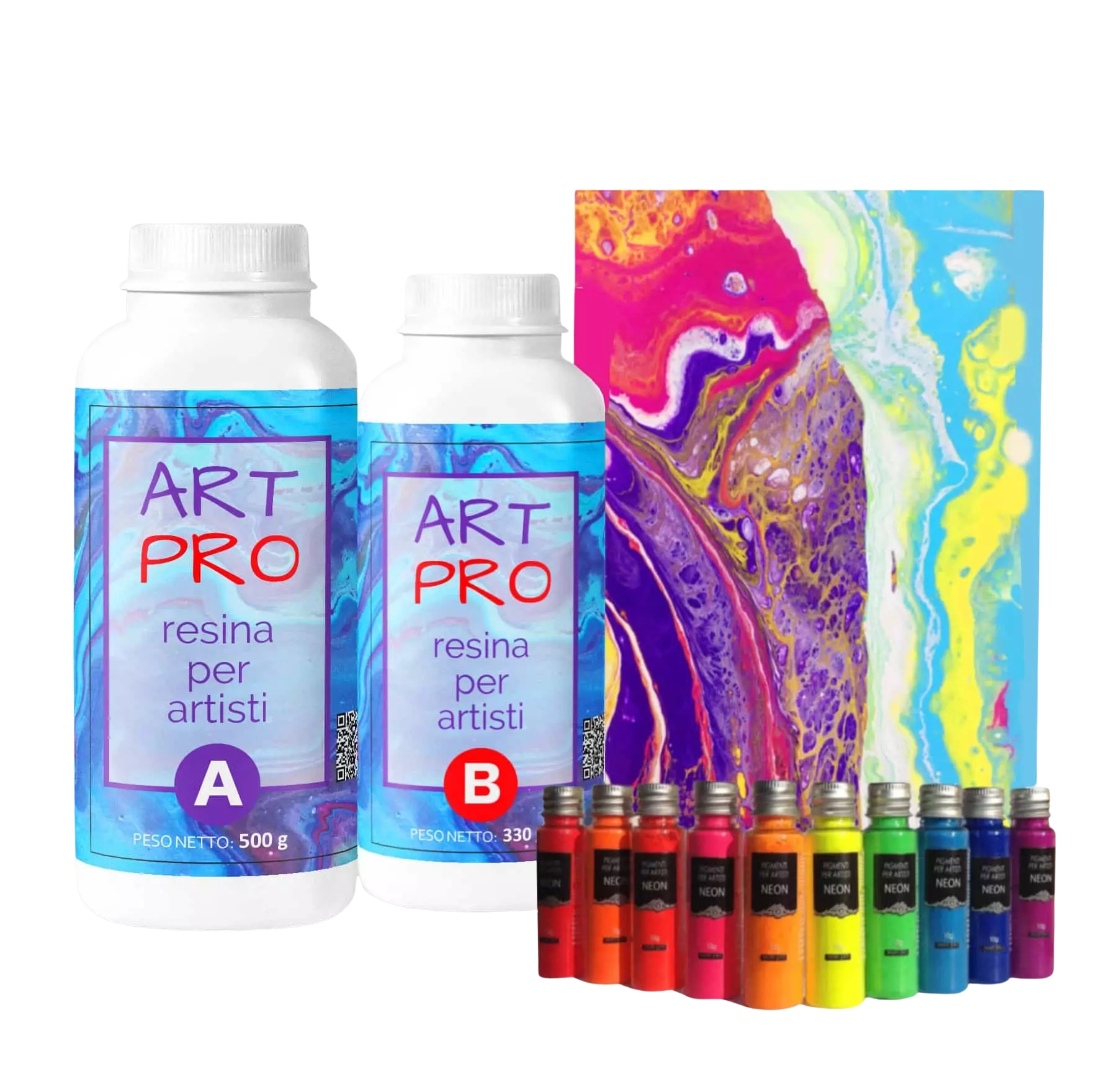
Adding pigments and paints to resin opens up limitless possibilities for art, crafts, and home décor. With the right approach, you can achieve dazzling colours, subtle effects, and truly unique designs.
Choosing Pigments and Paints for Resin
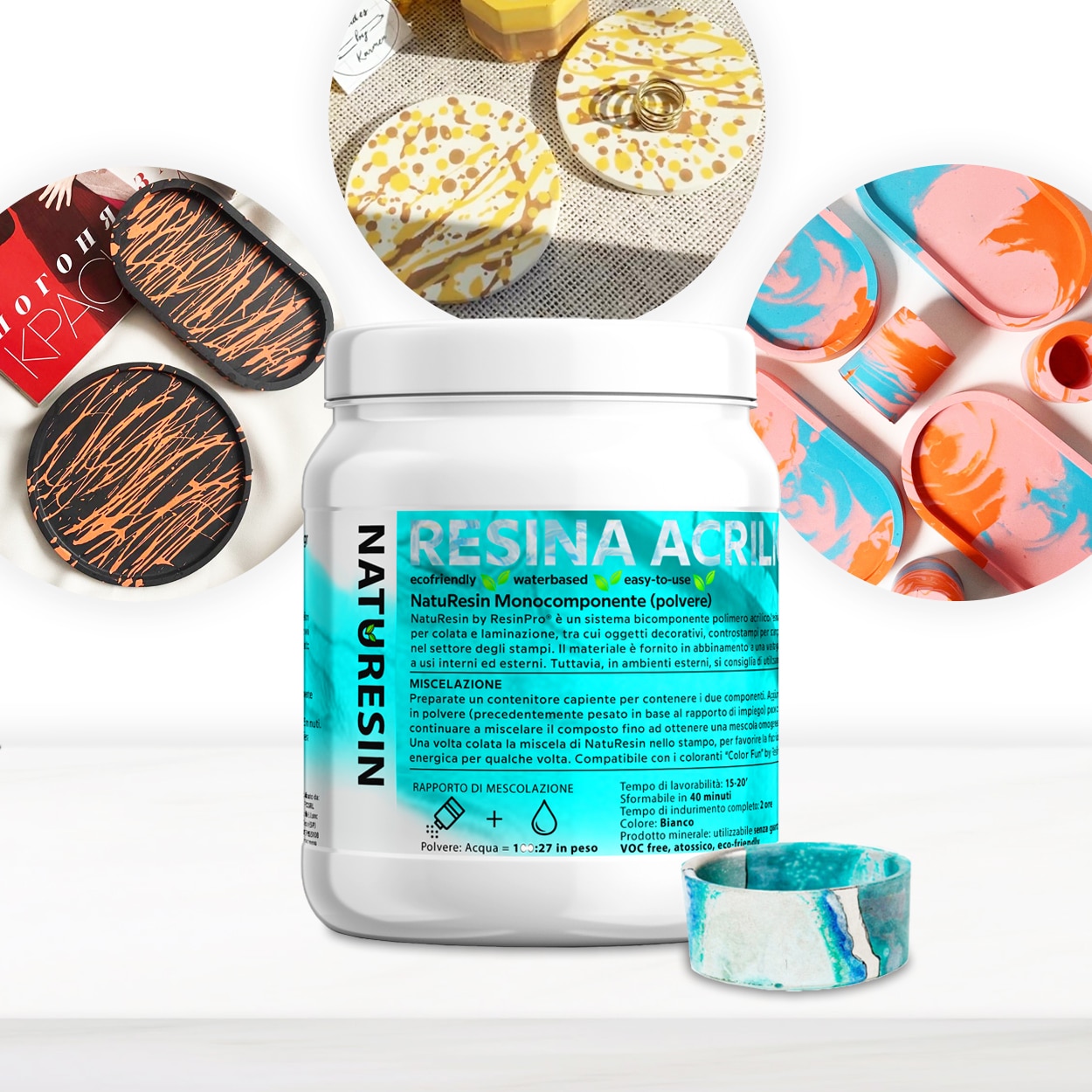
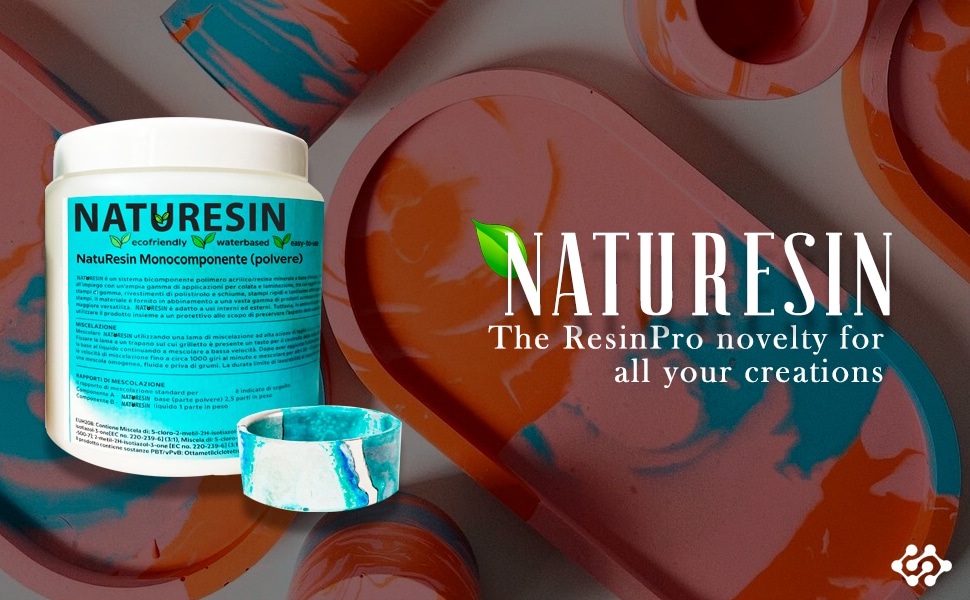
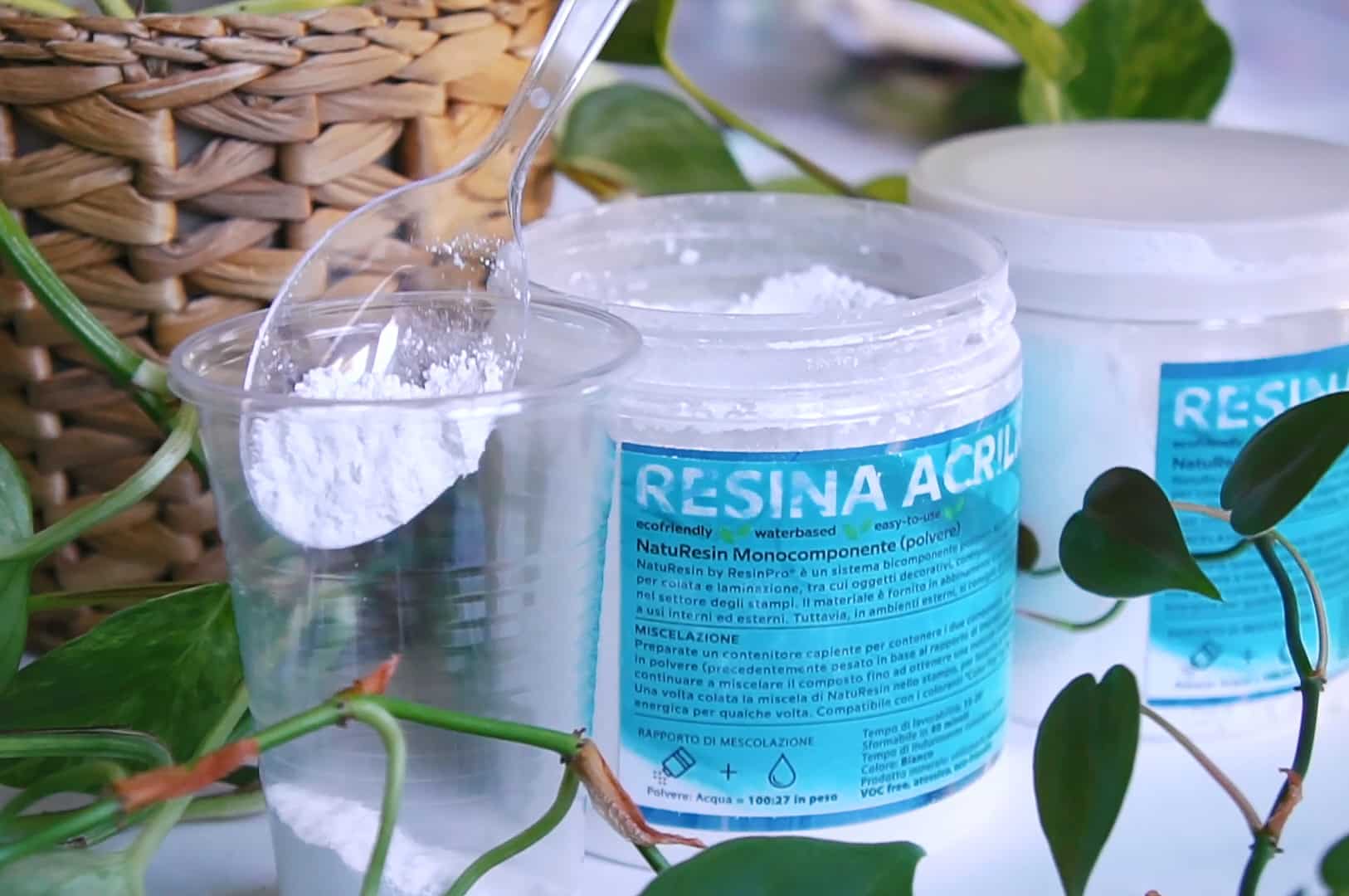
Resins work brilliantly with selected pigments, such as mica powders, neon colours, and liquid tints. Always use master pigments or those labelled as resin-friendly for the best finish and colour intensity. Water-based resins like NatuResin are easy to colour after curing with acrylic paints or by mixing compatible pigments during the casting stage.
- If using a kit such as the Raphael Kit, follow the included guide to combine resin and neon pigments safely.
- For special effects in epoxy pour art, adding an effect additive such as RESI-Blast after colouring can help create spectacular cell patterns.
Techniques for Customisation
To colour resin, mix pigment or liquid colour thoroughly with the resin before pouring. Achieve layers, swirls, or gradient fades by blending different hues or pouring at varying angles. Once the resin has fully cured, surface decoration can be added using acrylic or specialist resin paints, allowing for custom motifs, marbling, or highlights.
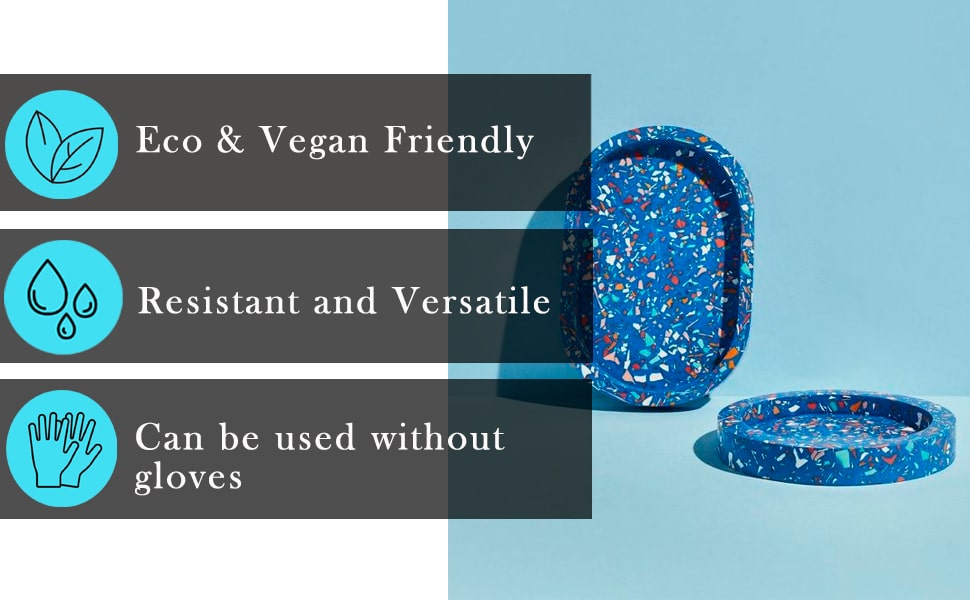
- For decorative casting (trays, coasters, flower pots), add pigment during mixing or apply paint details after demoulding.
- When creating resin art pours, use graduated colours and additives like Resi-Blast to develop eye-catching effects.
When Custom Colours Matter
Customising your resin projects with pigments and paints brings a personal touch to your crafts and artworks. This approach is especially important when aiming for specific themes, gift items, exhibition pieces, or matching a colour scheme in your home.
- Vivid, personalised artworks for display
- Custom coasters or décor matching your décor
- Unique gifts and commissions
Related products
Related guides
Exploring pigments and paints with resin transforms ordinary creations into standout pieces. For more inspiration and tips on creative resin techniques, visit the full guide at ‘What to See in Resina?’.