 Free shipping on orders over £29,85
  Shipping Tracking!


 Google
 Facebook
← Back to What materials does resin not adhere to?
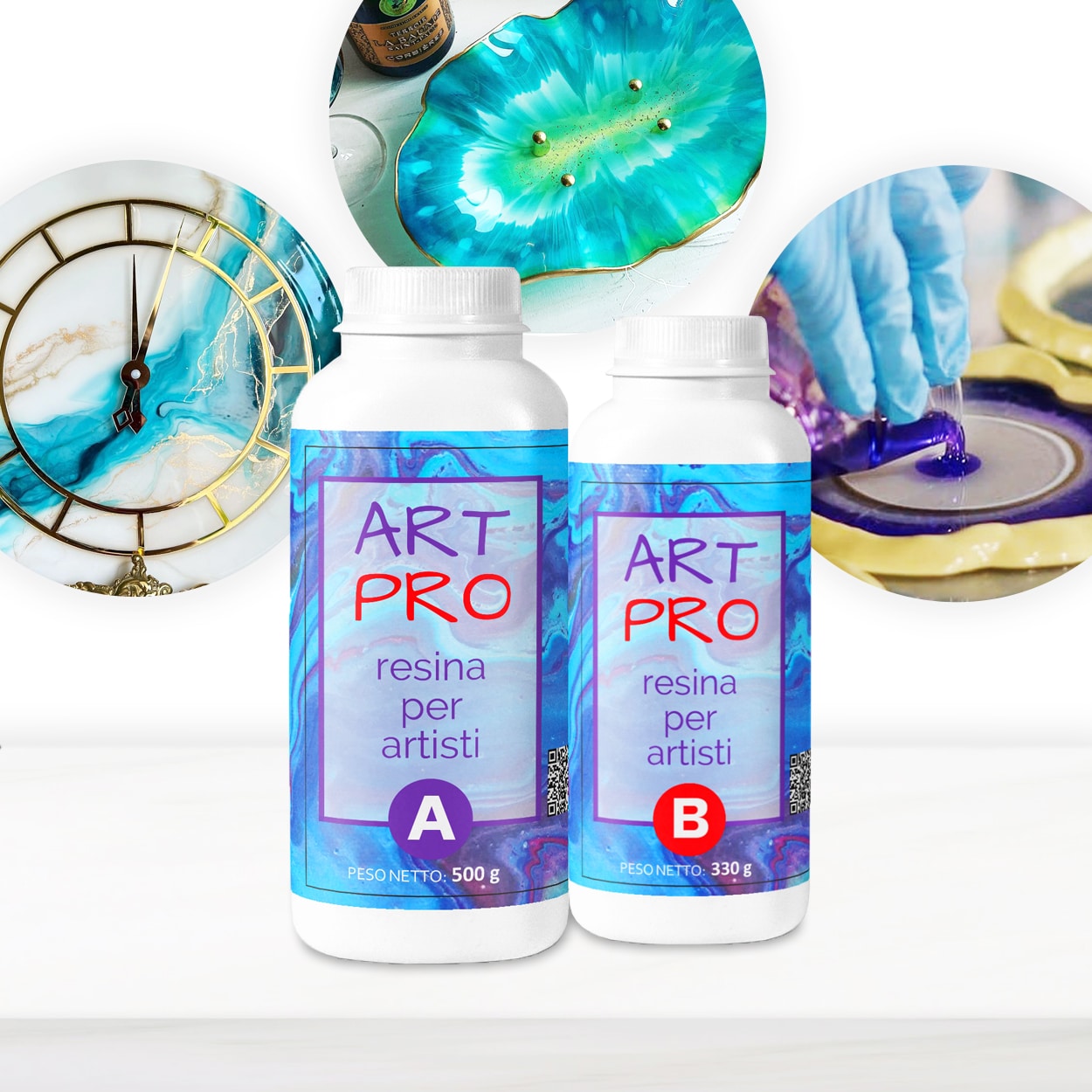
Choosing the right resin for thick or deep castings is crucial for achieving durable, crystal clear results. Not all epoxy resins can handle deeper pours, so selecting the correct type prevents wasted materials and failed projects.
Why Resin Type Matters for Deep Pours
Resins are formulated differently for surface coatings versus deep castings. Products like Art Pro offer a dense, non-drip consistency ideal for art coatings and thin layers, but they are not designed for thick resin pours. If the wrong resin is used for deep applications, issues such as excessive heat, bubbles, or incomplete curing can occur.
Selecting the Right Resin for Thick Castings
Always check the intended use listed on your resin product. Deep casting projects, such as river tables or large moulded objects, require specially-formulated casting resins that cure slowly and tolerate greater thicknesses in a single pour. Standard coating resins should only be used for applications up to their maximum recommended thickness, typically around 1 cm or less.
Practical Tips for Success
- Read the manufacturer’s guidelines before starting any thick casting.
- Pour in layers if your resin is not rated for deep pours.
- Avoid using quick-curing, high-viscosity resins in thick applications to prevent overheating.
When This Matters
This distinction is especially important for artists or makers producing river tables, resin blocks, or any project requiring pours deeper than 1 cm. Using an unsuitable resin can result in a failed cast and wasted resources.
Related products
Related guides
Selecting the right resin for thick castings protects your time and investment. For other insights on resin behaviour and adhesion, see our full guide on what materials resin does not adhere to.