 Free shipping on orders over £29,85
  Shipping Tracking!


 Google
 Facebook
← Back to With anticorrosive epoxy resin primer minimum thickness 5 microns?
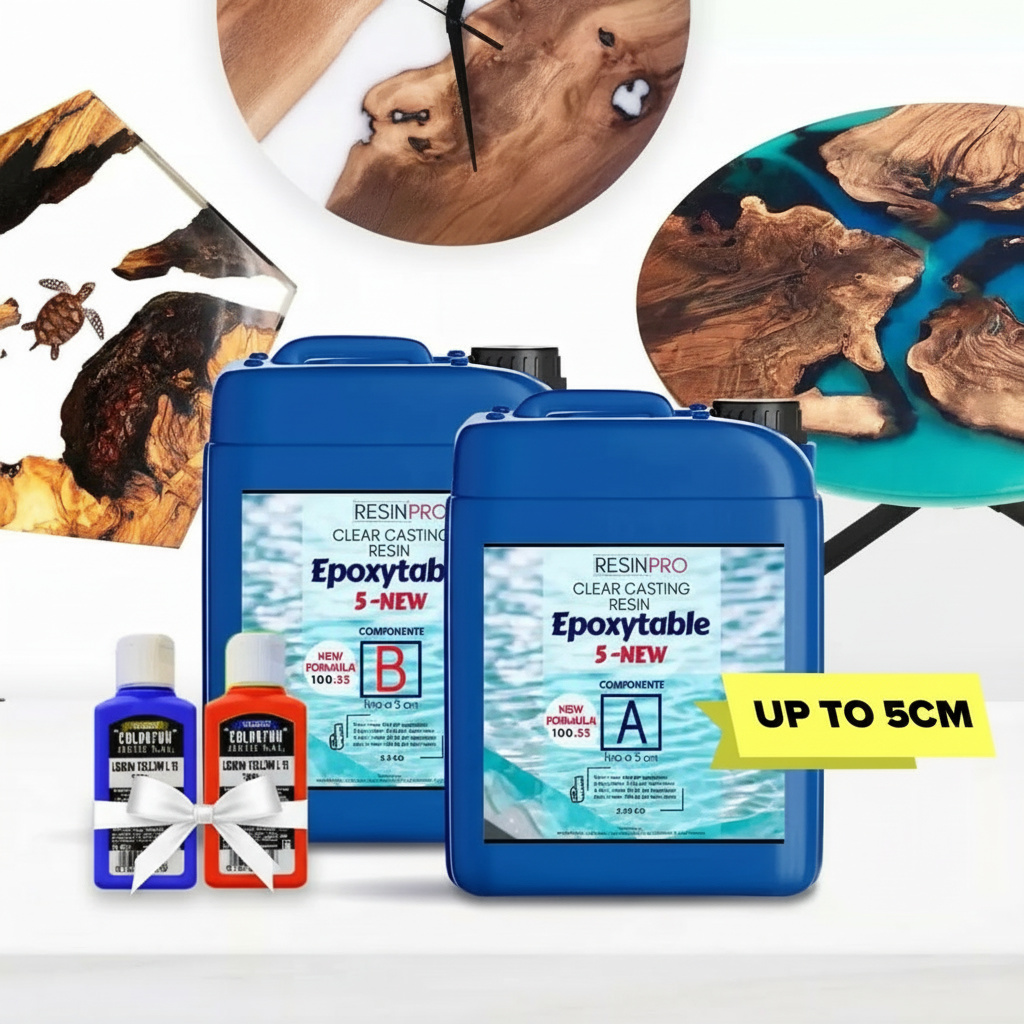
Pairing deep pour epoxy resins with an anticorrosive epoxy primer is a reliable strategy for projects that demand long-lasting adhesion and a smooth, clear finish—such as river tables and artistic castings. Here’s how to do it successfully.
Ensuring Primer Compatibility and Cure
Deep pour epoxy resins can be applied over an anticorrosive epoxy primer once the primer has fully cured. Most primers, such as Epoxyprimer, require 24–48 hours of cure time at room temperature for optimal results. Always confirm that the surface is dry to the touch and free of tackiness before moving on to the resin pour. This prevents adhesion issues and ensures that the resin sets evenly atop the primer.
Choosing the Right Deep Pour Epoxy for Your Project
For best results, select a deep pour epoxy designed for your intended casting thickness. EpoxyTable 5-Five is suitable for up to 5cm thick pours, while super-deep projects up to 10cm can benefit from Epoxytable 10-Ten. These products offer stable casting with clarity and long working times, reducing the risk of bubbles and yellowing. Always follow manufacturer guidelines for mixing, pouring, and layering if your project exceeds single pour recommendations.
When This Matters Most
- Combining anticorrosive primers with deep pour epoxies is particularly important for surfaces exposed to moisture, frequent handling, or areas where both protection and a decorative finish are required.
- Ensuring proper primer cure means you’ll avoid delamination, cloudiness, or finish flaws in large pours for tables, art, or encapsulations.
Related products
Related guides
Proper surface preparation and product pairing allow you to harness the benefits of anticorrosive primers and deep pour epoxies for resilient, visually stunning projects. For further details on choosing the right products and thickness guides, return to our main advice on epoxy resin primer thickness and compatibility.