 Free shipping on orders over £29,85
  Shipping Tracking!


 Google
 Facebook
← Back to How to make wood and resin sculptures?
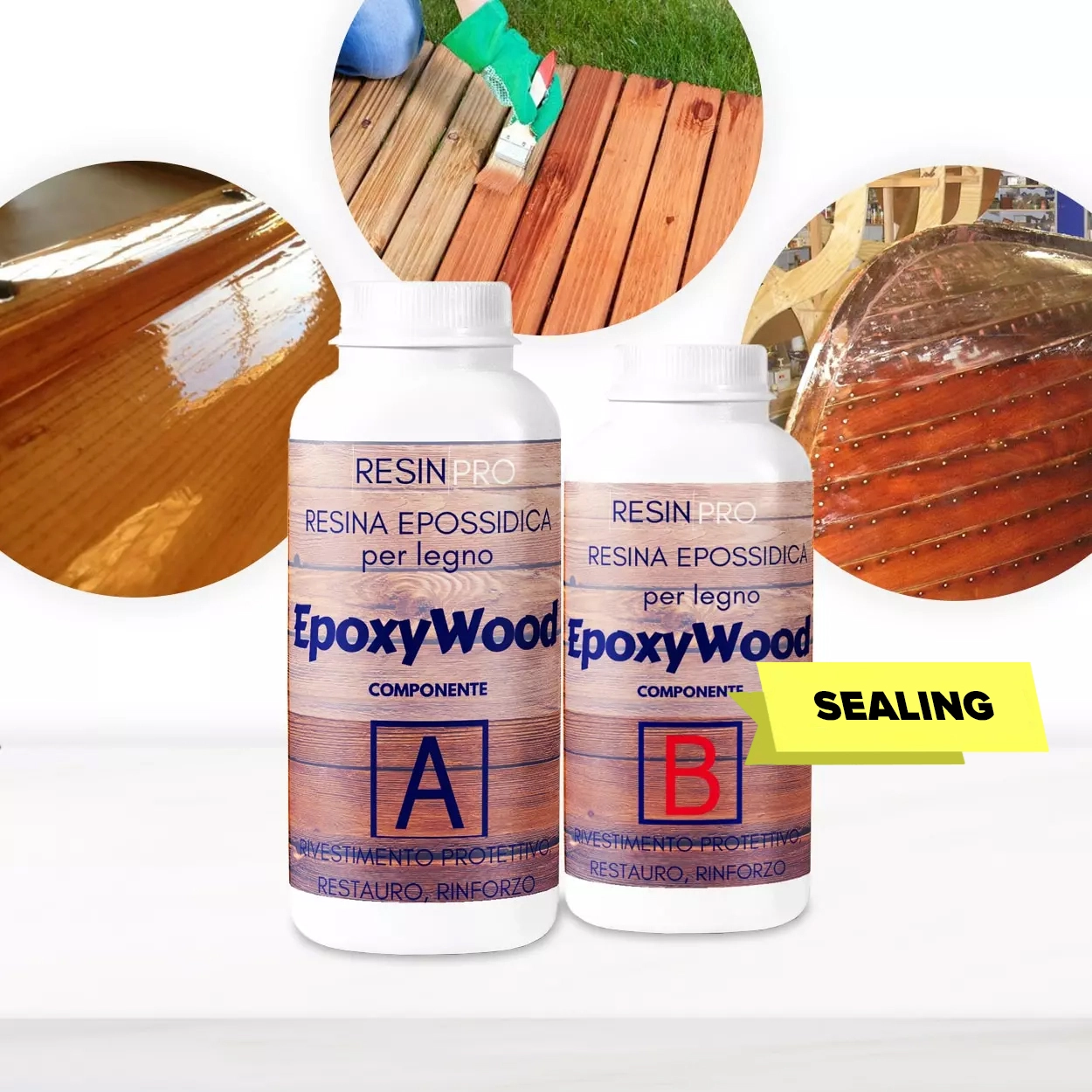
Penetrating wood with the right resin is a crucial step in sculpture making or wood restoration. Achieving deep absorption helps protect, reinforce, and beautify timber, making your woodworking project last longer and look its best.
Choosing the Right Resin for Penetration
Not all resins are created equal when it comes to wood penetration. For effective absorption, you need an epoxy resin with ultra-low viscosity, allowing it to seep into wood pores and fibres. EpoxyWood is specifically formulated for this purpose—restoring, strengthening, and waterproofing everything from furniture to boat hulls. Its solvent-free formulation enhances both protection and eco-friendliness, while a gentle straw tint brings out the natural grain.
How to Apply Penetrating Resin
Start by making sure your wood is dry and finely sanded—this maximises resin penetration. Apply the resin generously with a brush or roller, allowing it time to soak deep into the wood structure. For especially absorbent or damaged areas, a second application may be beneficial. Once the resin has fully cured, the timber will be noticeably reinforced and shielded from moisture ingress.
- Ensure the surface is dust-free and completely dry.
- Work the resin into cracks and pores for maximum effect.
- Allow enough curing time before further finishing or coating.
When Deep Penetration Matters Most
Deep resin penetration is essential for external wood restoration, sculptural bases, or surfaces that will face regular wear or exposure to moisture. It’s a step that can prevent rot, improve durability, and provide a solid foundation for further resin art or protective coatings.
Related products
Related guides
Mastering the deep penetration of wood with resin is a cornerstone for any successful wood and resin sculpture project. Explore further tips and techniques in our main guide on how to make wood and resin sculptures.