 Free shipping on orders over £29,85
  Shipping Tracking!


 Google
 Facebook
How to make wood and resin sculptures?
Essential guide for combining wood and resin in creative art
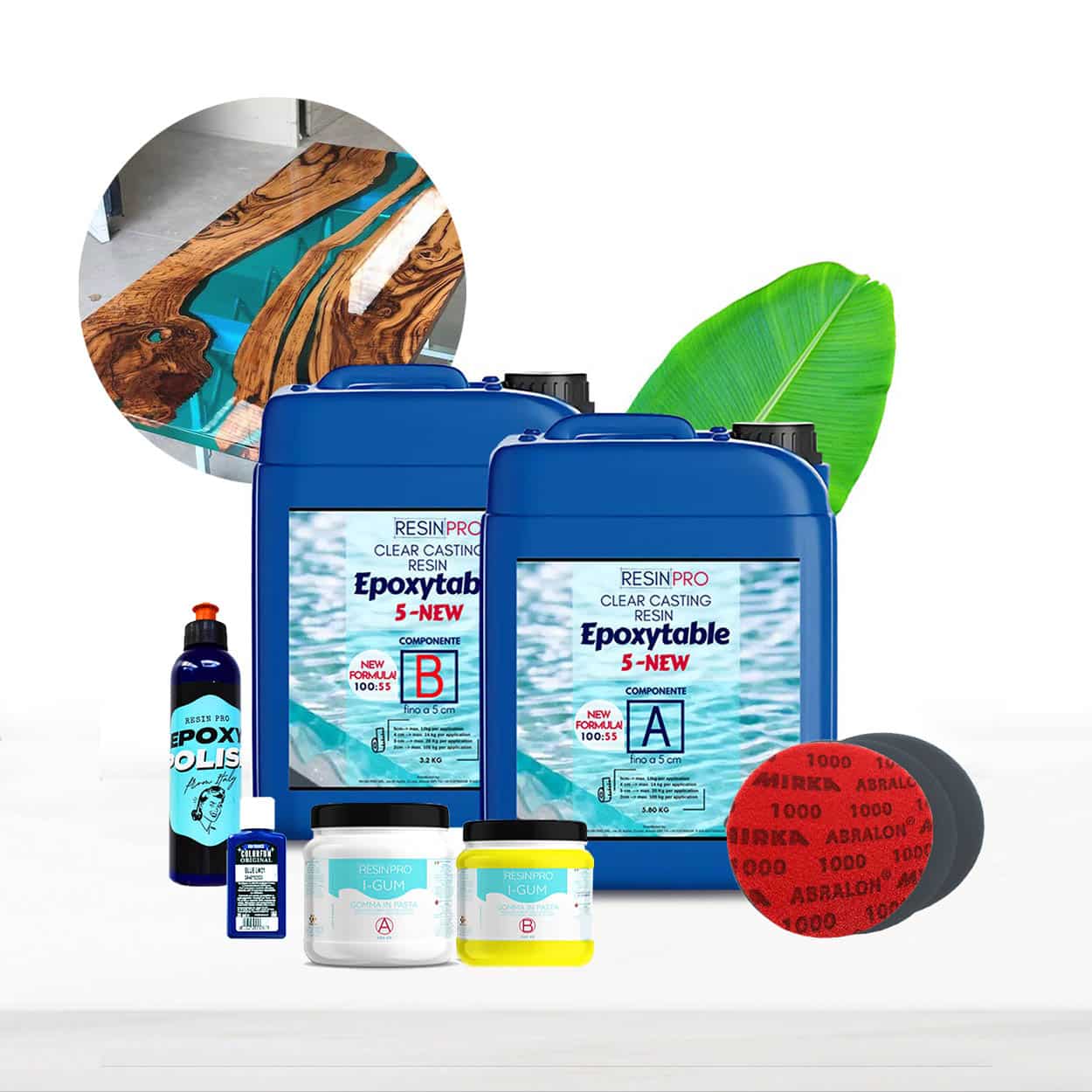
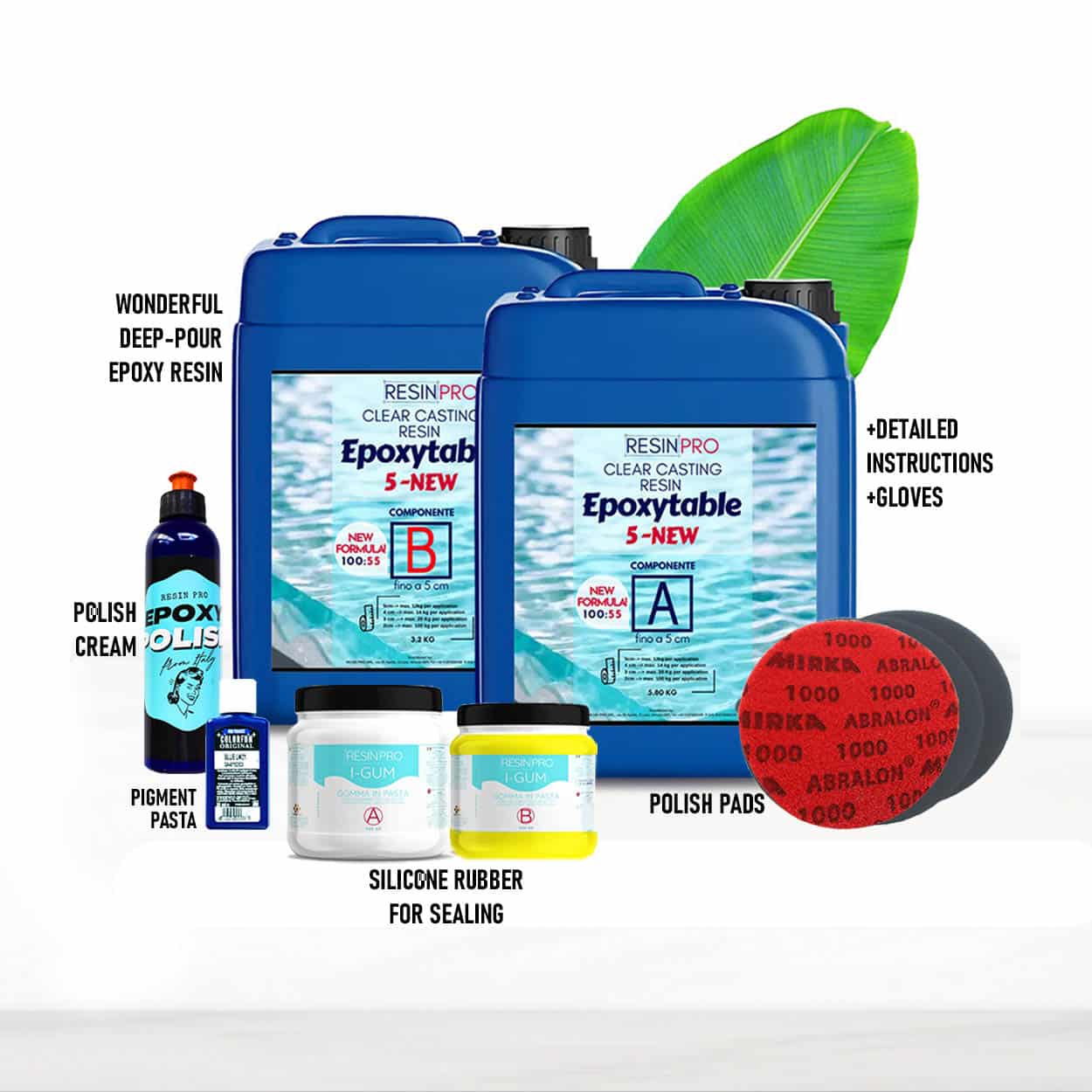
Wood and resin sculptures offer a stunning blend of natural grain and translucent modern lines, making them highly sought after for art, furniture, and decoration. This guide walks you through the complete process of creating your own wood and resin sculpture – suitable for passionate beginners and makers eager to push creative boundaries.
What You’ll Need
- “EpoxyWood” – Wood Restoration Epoxy Resin for Deep Penetration and Waterproofing: For sealing and reinforcing your wood base with a waterproof finish.
- “Epoxytable 10-Ten” – Deep Pour Epoxy Resin for Tables, Up to 10cm Casting or “EpoxyTable 5-Five” – Deep Pour Epoxy Resin for Tables and Large Projects – Up to 5cm: For creating thick, crystal-clear resin elements in your sculptures.
- Silicone moulds or well-prepared formwork (bespoke or pre-made)
- Protective gloves and appropriate safety gear
- Measuring and mixing containers
- Fine sandpaper and polishing pads
- Pigments and decorative inclusions (optional)

Wood and Resin Art in Progress
Get creative inspiration: combining wood’s organic lines with resin’s glassy clarity yields breathtaking forms. Prepare your workspace for safe, mess-free sculpting. Invest time in surface prep and careful sealing to achieve gallery-worthy results every time.
Step 1: Prepare and Seal the Wood
Begin by selecting well-seasoned, dry wood. Free your chosen piece from dust, oils, and loose bark using a brush and gentle sanding. If there are any cracks, voids, or soft spots, these should be filled or reinforced to prevent resin leaks. Deeply penetrate wood with a suitable resin to create a strong, sealed foundation before pouring large resin volumes. For best results, apply “EpoxyWood” – Wood Restoration Epoxy Resin for Deep Penetration and Waterproofing to all exposed surfaces and let it cure fully. This prevents bubbles and secures the wood structure for lasting sculpture integrity.
Step 2: Build Your Mould or Formwork
Measure your sculpture carefully to design a mould or form that will contain both the wood and resin. Use silicone moulds for smaller sculptures or create a custom box from melamine, acrylic, or sealed wood for larger pieces. Ensure all seams are tightly sealed—consider using silicone sealant to avoid leaks. Apply a release agent to the formwork walls to make demoulding easier and to protect the surface finish of your sculpture.
Step 3: Mix and Pour the Resin
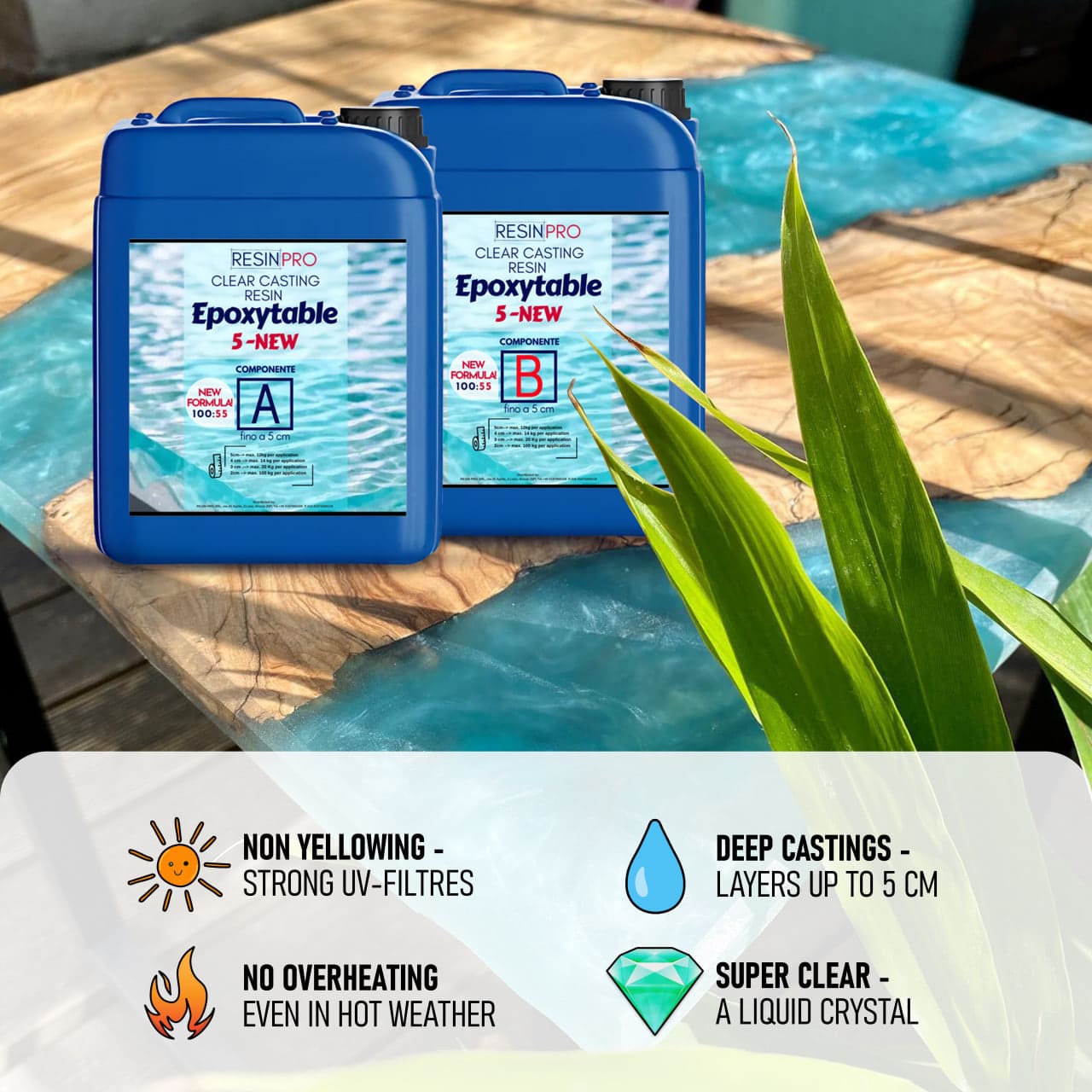
Following product instructions, mix your chosen resin carefully, paying close attention to ratio and thorough blending. For sculptures featuring thick resin segments, Captivate with thick, clear castings by using a deep pour epoxy like “Epoxytable 10-Ten” – Deep Pour Epoxy Resin for Tables, Up to 10cm Casting. Pour in controlled increments if your project is especially large or deep—allowing sufficient time between layers to manage exothermic reaction and prevent overheating. Eliminate bubbles by pouring slowly, using a heat gun, or softly blowing across the surface as you go.

Step 4: Demould, Sand, and Finish
After the full curing period (refer to resin manufacturer instructions—usually several days), gently remove the sculpture from the form. Start sanding with coarse grit and progress to finer grades for a seamless finish. Polish the resin with specialised pads and creams for extra gloss and clarity. Buff the wood until smooth, taking care to protect the sharp definition between wood and resin. Finish and protect for long-lasting beauty by optionally adding a final coat of resin or a compatible oil to the wooden elements.

Tips, Troubleshooting, and Common Mistakes
Allow wood to reach room temperature and dry out before resin application to limit trapped moisture and bubbles. Don’t rush the mixing or pouring steps—impatience is the biggest cause of cloudiness and weak bonding. If you see bubbles forming after pouring, use a heat gun gently to draw them out. Always follow safety guidance for resin use and ensure proper ventilation.
Finishing Techniques for Lasting Results
Take your resin sculptures to the next level with patient sanding and polishing. A well-finished piece stands out for its flawless transitions and clarity. Try different pads to reach the desired sheen and create professional-grade art.

- "River-Table" – Complete Kit for Creating Your First Epoxy Resin TablePrice range: £198.45 through £467.45This complete kit provides materials and instructions to create your first wood and resin table, suitable for beginners and hobbyists.
- “Epoxytable 10-Ten” – Deep Pour Epoxy Resin for Tables, Up to 10cm CastingPrice range: £35.95 through £351.95“Epoxytable 10-Ten” is suited for creating deep pours up to 10cm, useful for tables and artistic projects in wood and resin sculpture making.
 "EpoxyTable 5-Five" – Deep Pour Epoxy Resin for Tables and Large Projects – Up to 5cmPrice range: £17.95 through £1,154.95EpoxyTable 5-Five is a deep pour epoxy resin designed for tables and large projects up to 5cm depth. It is suitable for wood and resin sculptures.
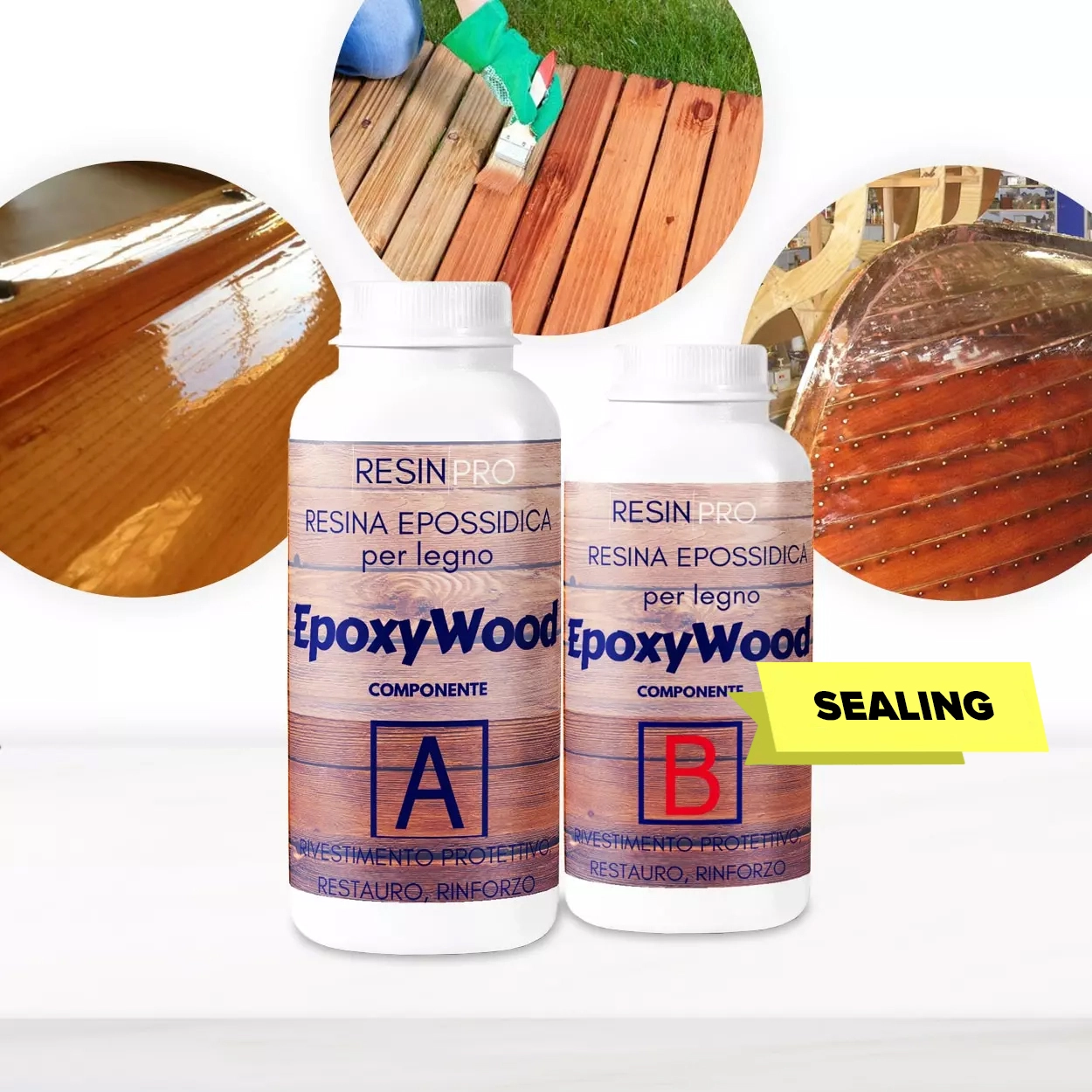 "EpoxyWood" – Wood Restoration Epoxy Resin for Deep Penetration and WaterproofingPrice range: £27.95 through £41.95"EpoxyWood" is formulated to deeply penetrate and waterproof wood with a natural, warm finish, suitable for wood restoration in wood and resin…
Frequently Asked Questions
What resin should I use for thick castings?
Choose a deep pour epoxy such as “Epoxytable 10-Ten” for sections up to 10cm thick. For pours up to 5cm, “EpoxyTable 5-Five” is ideal.
How do I prevent bubbles in wood and resin art?
Seal the wood first, pour resin slowly, and use gentle heat to help bubbles escape from the mixture.
How long does the resin take to cure for sculptures?
Allow several days for deep-pour resins to cure fully before demoulding and finishing. Check the manufacturer’s guidelines for exact times.
Do I need to seal the wood before pouring resin?
Yes, sealing with a dedicated penetrative resin helps prevent resin loss and bubble formation during casting.
Can I use pigments in epoxy resin for sculptures?
Yes, add resin-compatible pigments or decorative inclusions for colour and visual interest in your sculpture.
Are deep pour resins safe to use indoors?
Work in a well-ventilated space and wear gloves. Always follow product safety instructions for safe handling and curing.