 Free shipping on orders over £29,85
  Shipping Tracking!


 Google
 Facebook
← Back to Why does resin form craters when applied?


If you’ve experienced unsightly craters when working with resin, choosing the right type for your project’s thickness is essential. The choice between a 5cm or 10cm pour resin directly affects the quality of your finish.
The Role of Pour Thickness in Crater Prevention
Poorly matched resin to your project’s thickness can cause excess heat (exotherm) during curing, often resulting in surface defects like craters and bubbles. Resins designed for up to 5cm pours are formulated to cure evenly at moderate thickness, while deeper 10cm pour formulas are slower-curing with even lower exotherm to handle greater volume without overheating.
Choosing the wrong resin means the mixture can cure too quickly, releasing trapped gas or causing rippled, cratered surfaces. Adhering to the manufacturer’s guidance for maximum pour depth helps ensure a smooth, even finish.
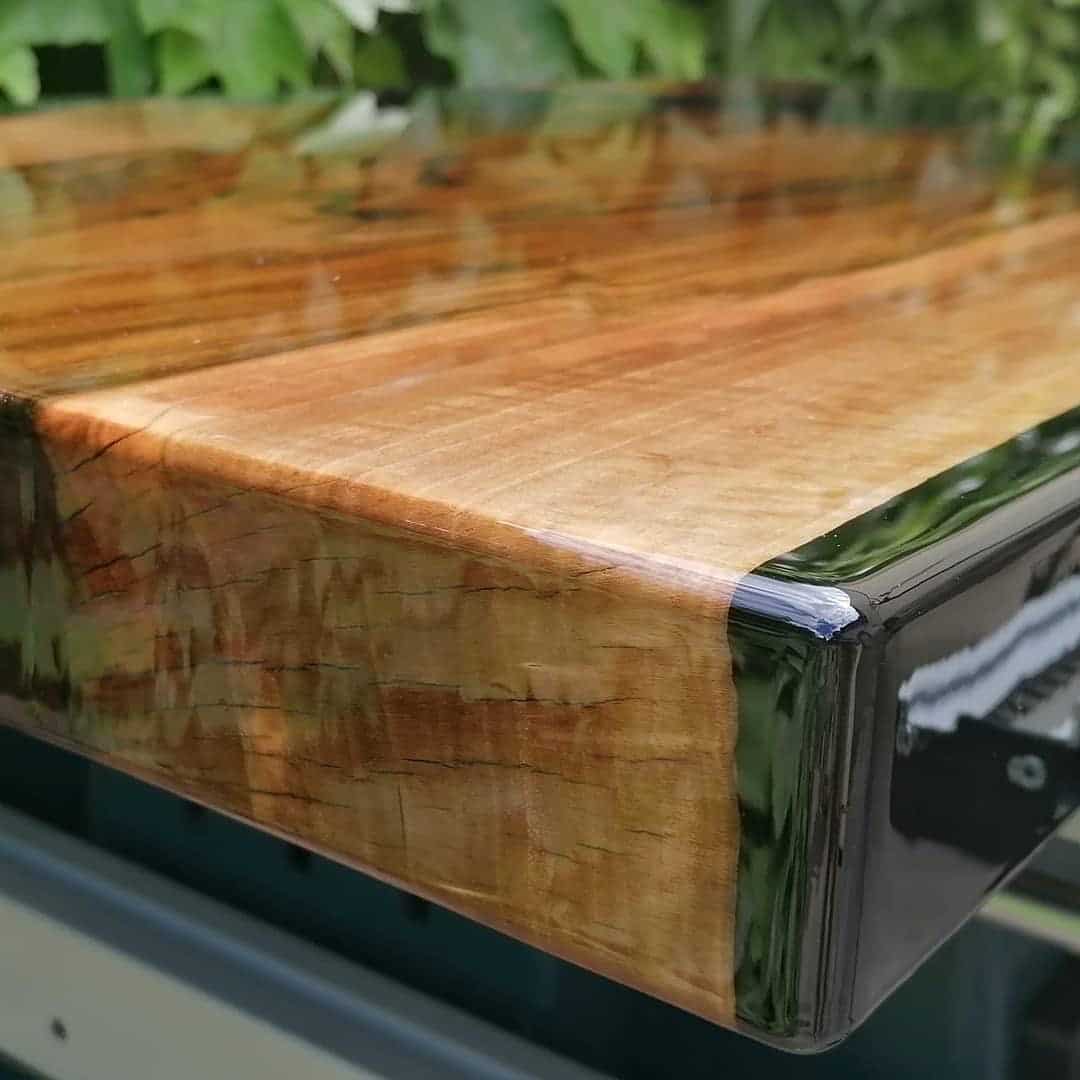

Choosing Between 5cm and 10cm Pour Resins
- For pours up to 5cm: Use a resin such as EpoxyTable 5-Five. It’s formulated for controlled curing in medium-thickness applications and helps avoid bubbles and craters.
- For pours up to 10cm: Select a deep pour resin like Epoxytable 10-Ten, which maintains clarity and smoothness even in large, thick castings by minimising overheating.
For projects thicker than recommended, it’s safer to pour in multiple stages rather than overfilling to avoid defects.
When This Matters Most
The right pour resin matters when crafting tables, large artistic castings, or any project where clarity and a flawless surface are key. Larger volumes create more heat, so choosing the correct resin ensures your hard work results in a beautiful, crater-free finish.

Related products
Related guides
Selecting the appropriate resin for your project’s depth is crucial in avoiding craters and bubbles. For more on causes and cures for resin surface defects, see our complete guide: Why does resin form craters when applied?