 Free shipping on orders over £29,85
  Shipping Tracking!


 Google
 Facebook
← Back to Where do acrylic wall resins originate from?
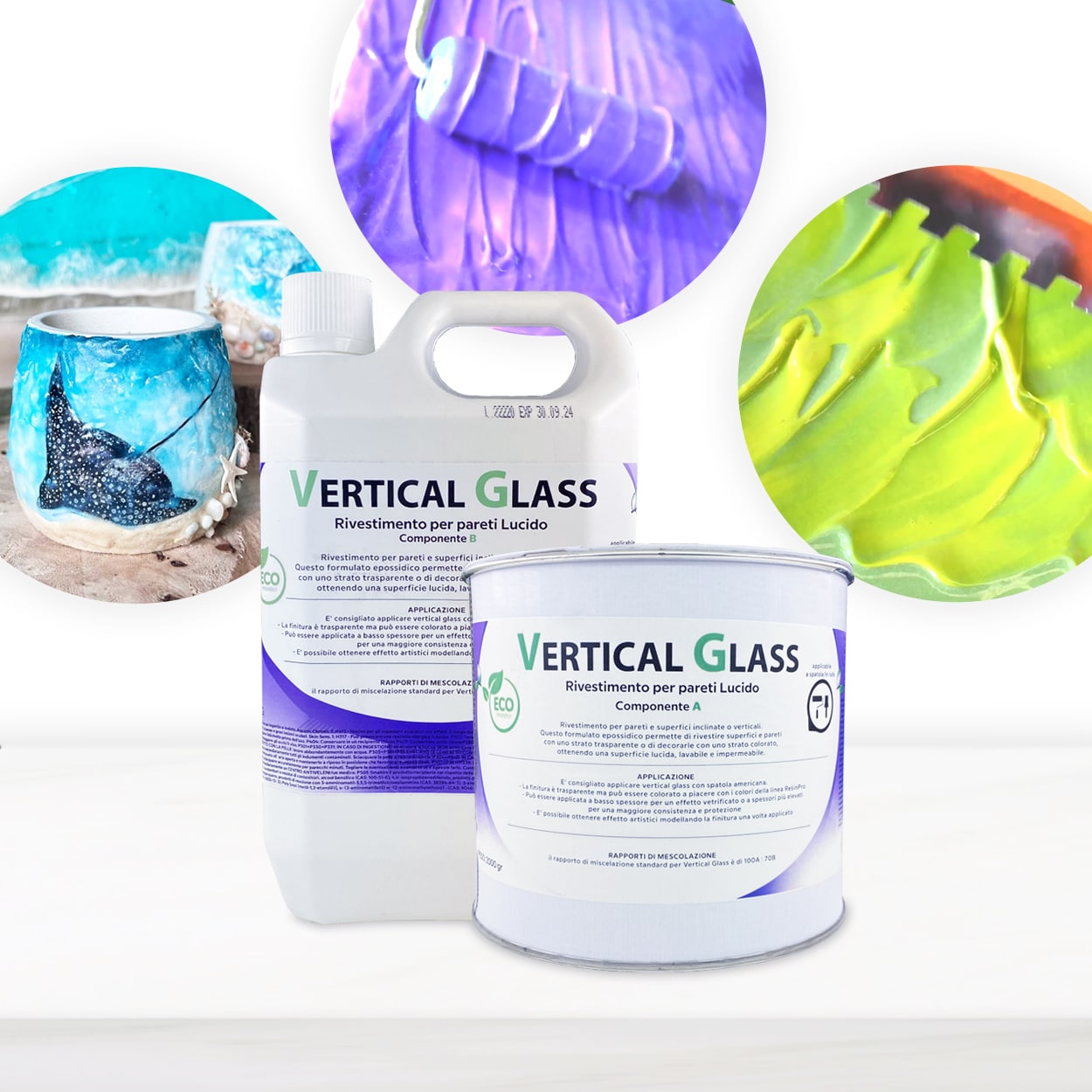
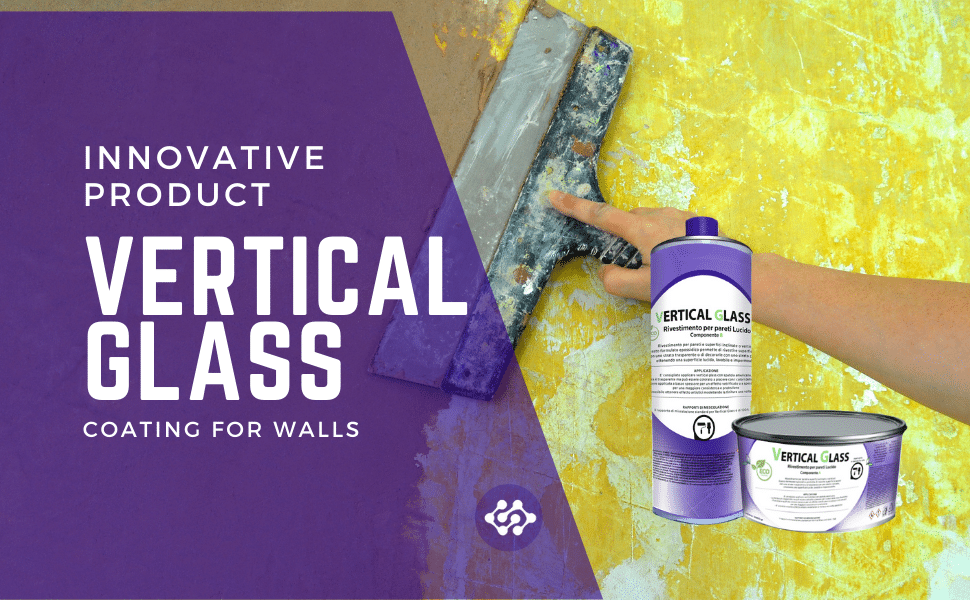
When considering a wall resin for decorative or protective use, understanding the difference between acrylic and epoxy formulations is essential. Both types bring distinct properties suited to particular needs and settings.
Core Differences Between Acrylic and Epoxy Resins
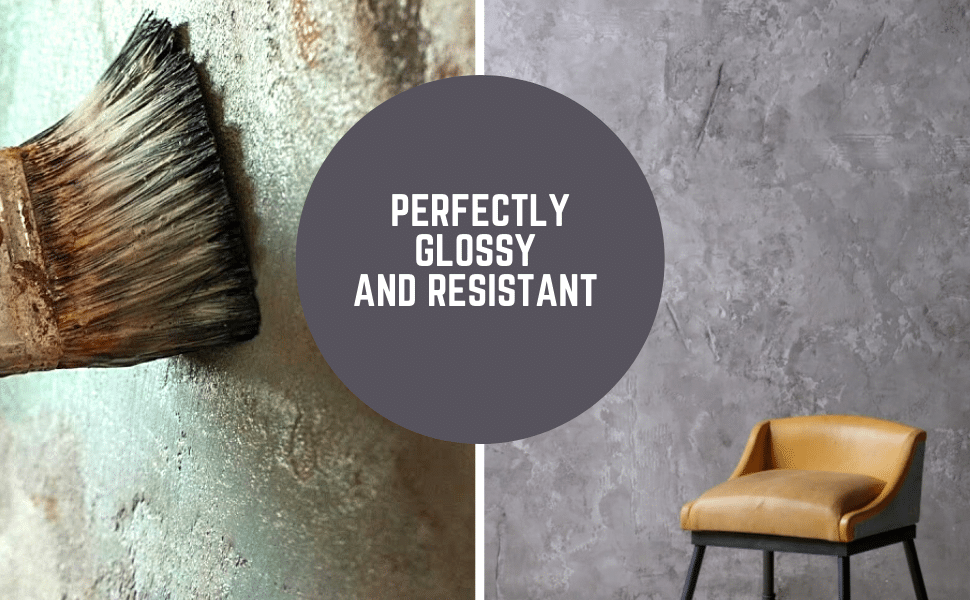
Acrylic wall resins are known for their relatively swift curing process and typically emit less odour during application. This makes them convenient for quick interior updates or settings where ventilation may be limited. Epoxy wall resins, on the other hand, generally require a longer curing period but reward this patience with significantly enhanced durability and better chemical resistance. Their tough, resilient finish is ideal for walls exposed to greater wear or where water and cleaning agents are regularly used.

Choosing the Right Resin for Your Project
Opt for an acrylic wall resin if your priority is rapid project turnaround, minimal disruption, and low odour—suitable for many decorative applications or quick renovations. Epoxy resins, such as the “Vertical Glass” – Thick Resin Decorative Wall Coating, are the better choice for areas requiring higher durability, like kitchens, bathrooms, or commercial settings. Epoxy coatings also offer creative versatility and robust resistance against moisture and daily use.
When This Matters
- If you’re working in spaces where strong smells are a concern, acrylic may be preferable.
- For surfaces that expect heavy-duty use or require regular cleaning, epoxy’s tough, protective layer is advisable.

Related products
Related guides
Whether you choose acrylic or epoxy, each resin type can significantly enhance your wall surfaces’ appearance and resilience. For more insights into origins and uses of these coatings, return to our main guide on acrylic wall resins.