 Free shipping on orders over £29,85
  Shipping Tracking!


 Google
 Facebook
← Back to Which resin should you choose for a water softener?
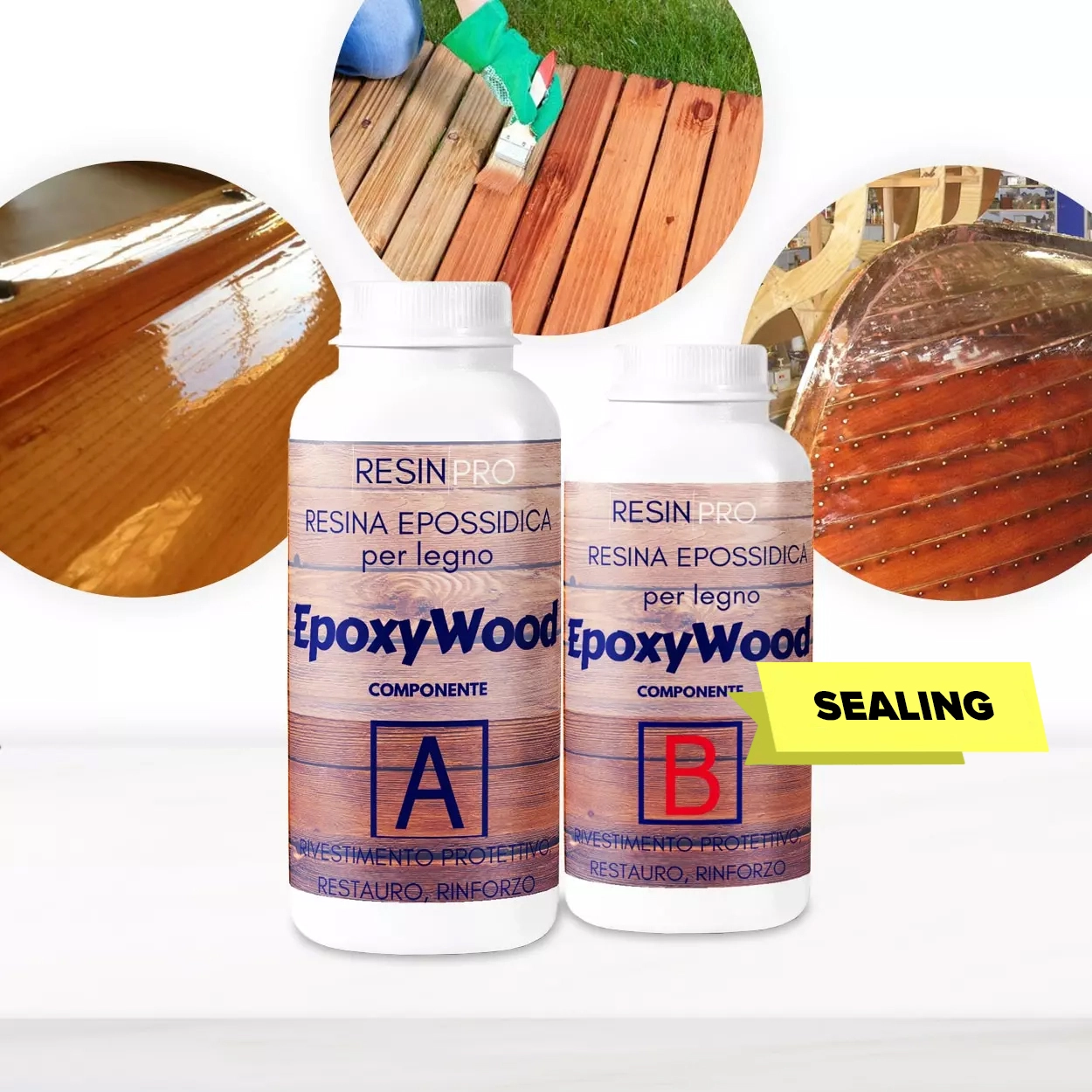
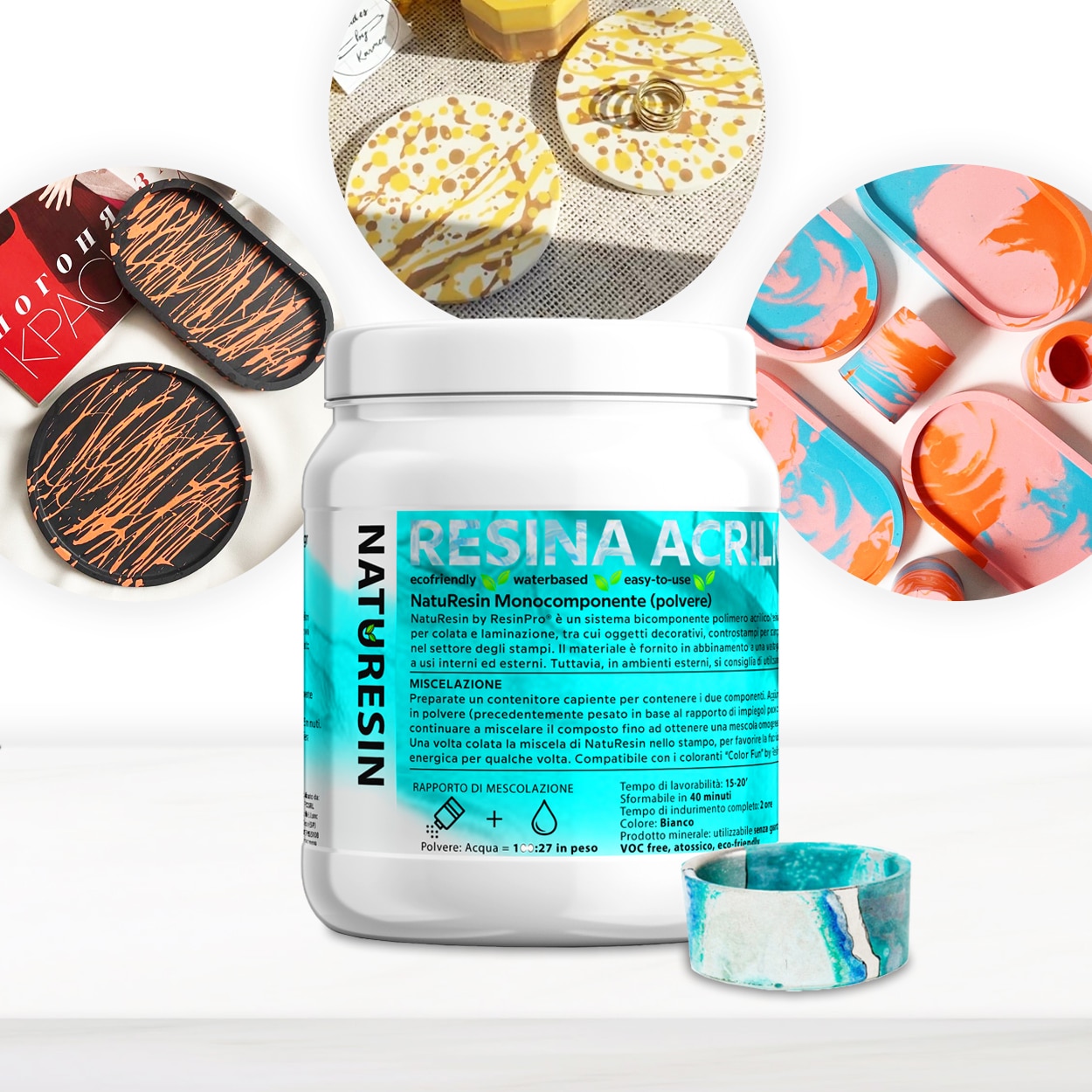
When choosing a resin for projects that involve water softener components or maintenance, it’s essential to understand the fundamental differences between epoxy and polyurethane resins. Each type brings unique benefits that make them better suited to particular applications around water, reinforcement, or detailed prototyping work.
What Sets Epoxy and Polyurethane Apart?
Epoxy resin is well-regarded for its ability to thoroughly seal surfaces and add structural strength. Its strong adhesion and resistance to moisture make it an excellent choice for waterproofing and reinforcing materials, which is especially valuable for wood or composite elements in softener enclosures or nearby installations. In contrast, polyurethane resin excels in situations where fast results and crisp, precise reproduction of fine details are desired. Its quick curing nature and high fluidity help produce accurate casts for small or intricate softener-related prototypes.
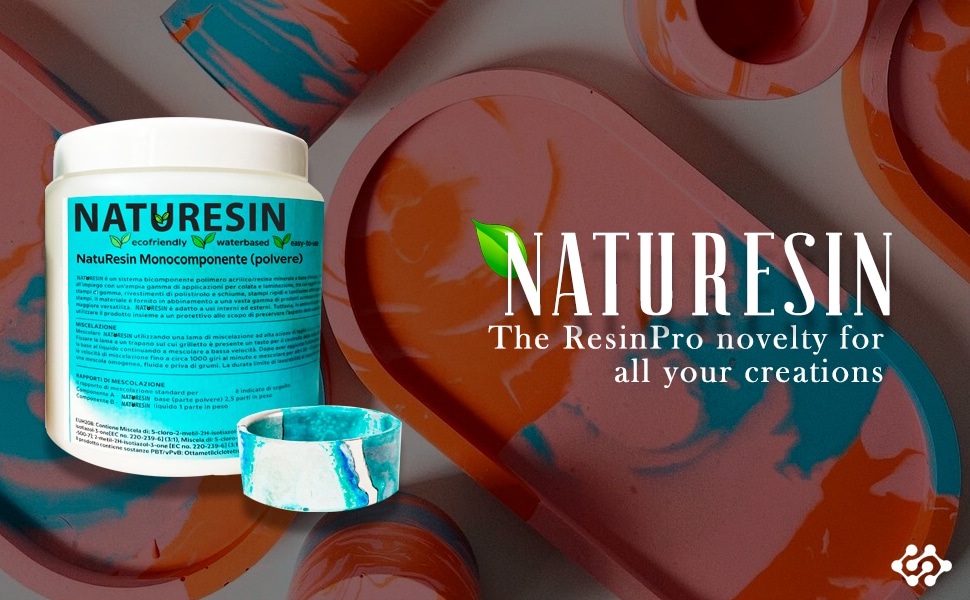
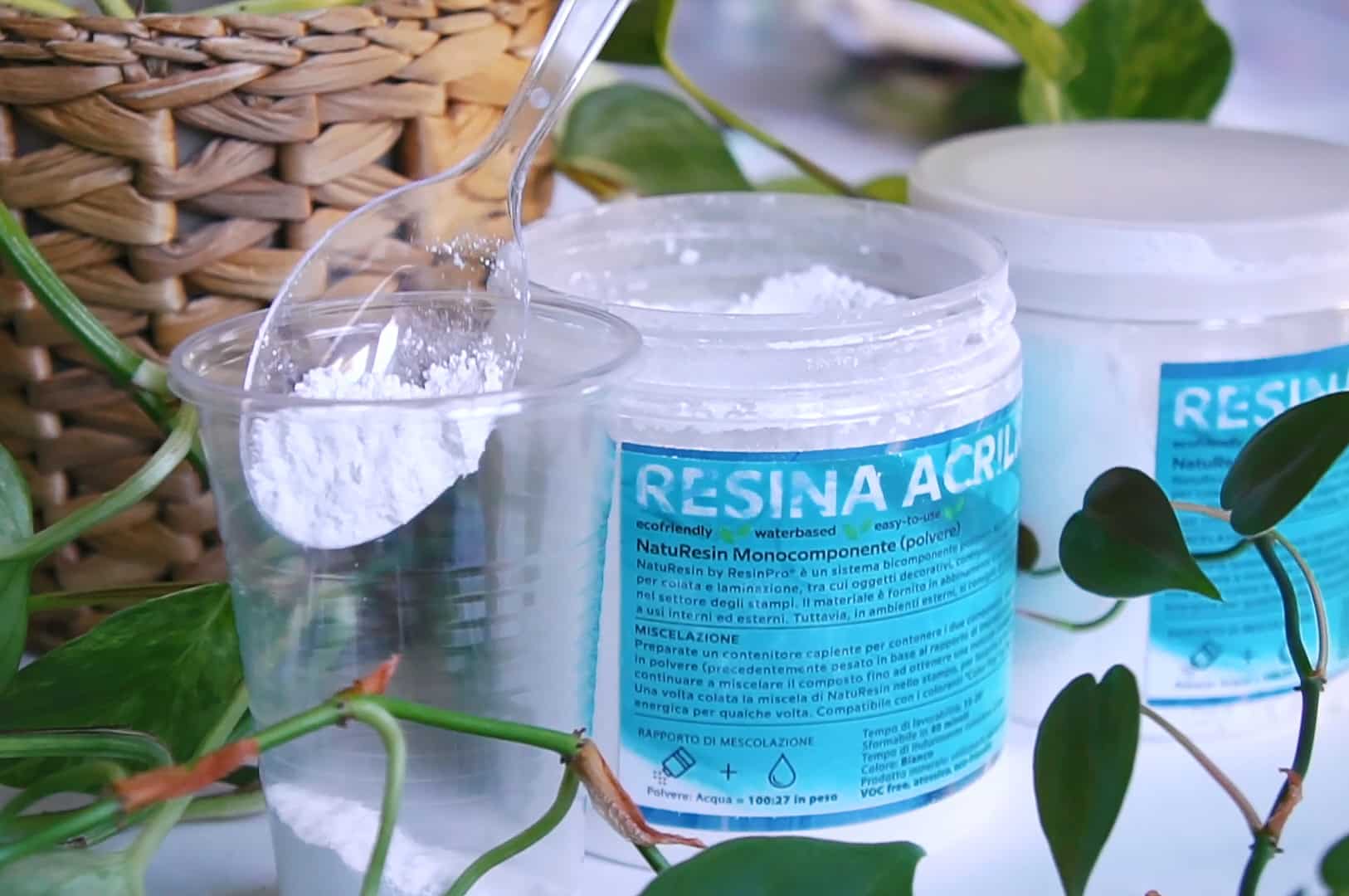
Choosing Resin Based on Your Project Needs
- For waterproofing and repairs: EpoxyWood is specifically formulated for protecting wood from water, offering a solvent-free finish that penetrates and reinforces the surface. This is ideal if you’re repairing or reinforcing any wooden elements exposed to water near a softener unit.
- For casting and prototyping: IWhite Polyurethane Casting Resin is tailored for rapid prototyping and projects requiring detailed moulding. Its fast cure and ability to capture fine features make it useful for quickly producing or repairing small components associated with softener systems.
When This Matters
The choice between epoxy and polyurethane is most important when the task demands either durable reinforcements that withstand ongoing contact with water, or rapid production of detailed replacement parts. The intended use—be it long-term waterproofing or swift model creation—should drive your material selection.
Related products
Related guides
By understanding the key differences between epoxy and polyurethane resins, you can select the right material for your water softener-related project—whether it’s reinforcing, repairing, or prototyping—tying back to the broader question of which resin best fits your water softener needs. Explore more resin guidance on our main guide.