 Free shipping on orders over £29,85
  Shipping Tracking!


 Google
 Facebook
← Back to How are resins injected into concrete pours?
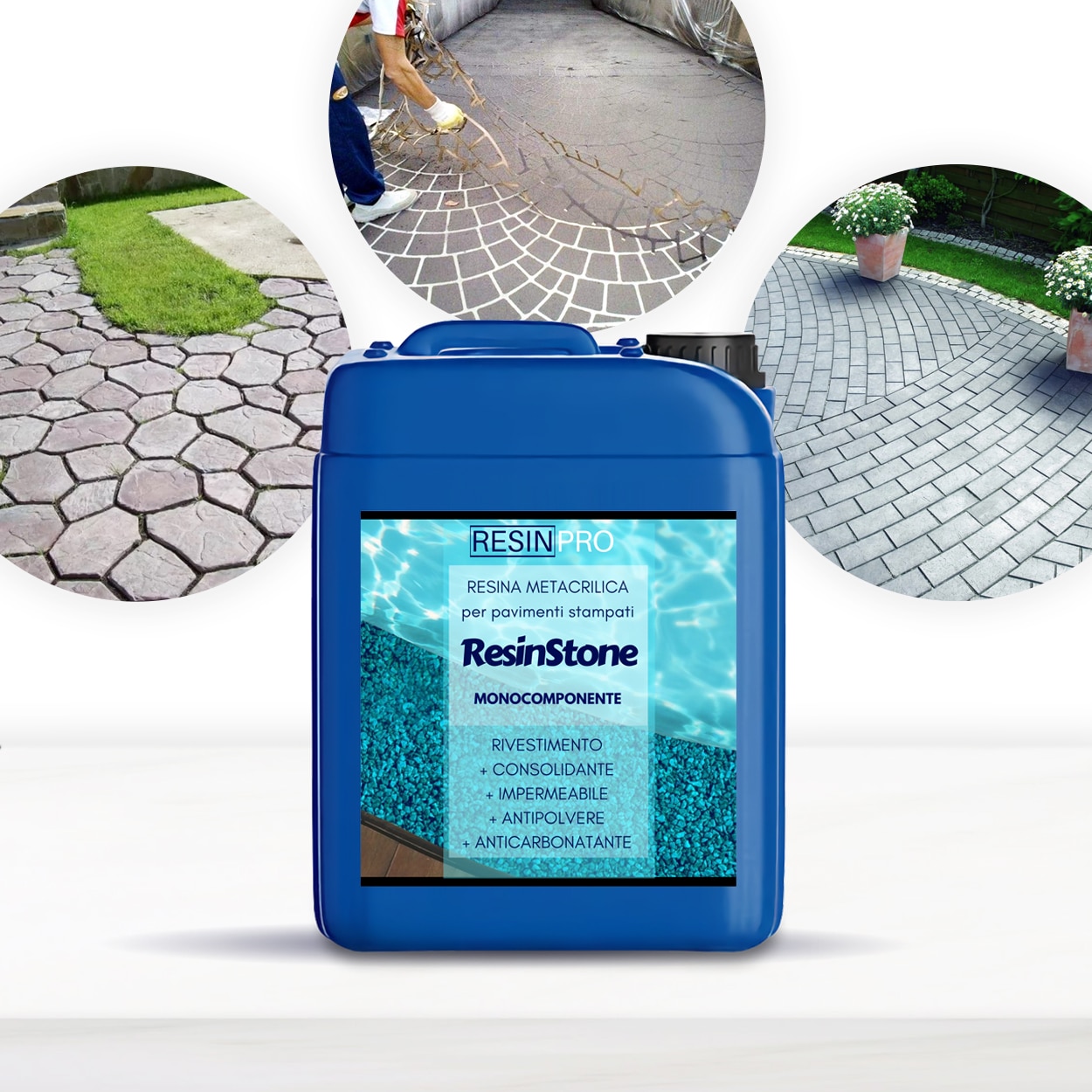
When choosing between methacrylic and epoxy resins for concrete or aggregate surfaces, it’s crucial to understand what makes each resin type unique. Here’s a practical guide to help you select the right option for your project.
How Methacrylic Resins Work
Methacrylic resins are valued for their rapid drying and deep penetration. Their low viscosity allows them to seep into fine concrete pores and tiny capillaries, resulting in robust waterproofing and improved resilience. For those sealing or protecting concrete floors, a product such as “Resinstone” methacrylic resin delivers a durable finish that is ready for use in a matter of hours and resists wear in driveways, garages, and outdoor paths.
Epoxy Resins: Clear, Strong & Decorative
Epoxy resins offer a crystal-clear, UV-stable finish that highlights natural aggregate colours and maintains their appearance over time. Their superior adhesive strength makes them ideal for binding pebbles, coloured stones, and decorative grits—perfect for permeable or decorative outdoor floors. For applications where appearance and stability are equally important, two-part epoxies like “Trasparente” epoxy binder are widely used in driveways and resin-bound paths.
When This Matters
- Choose methacrylic when you need deep sealing or quick return to service on concrete bases.
- Opt for epoxy when clarity, aggregate adhesion, or UV resistance are required for pebble, grit, or decorative floors.
Related products
Related guides
Understanding these differences ensures you select the right resin for the job, whether you’re sealing traditional concrete or creating a decorative aggregate floor. For more on the practical steps involved, explore our parent guide on how resins are injected into concrete pours.