 Free shipping on orders over £29,85
  Shipping Tracking!


 Google
 Facebook
← Back to How much resin is needed for a 16-metre room?
Choosing between permeable resin and standard epoxy flooring depends on where the floor will be used and the desired effect. Understanding the unique advantages of each system can help you create spaces that are both attractive and practical for their intended use.
How Permeable Resin Flooring Works
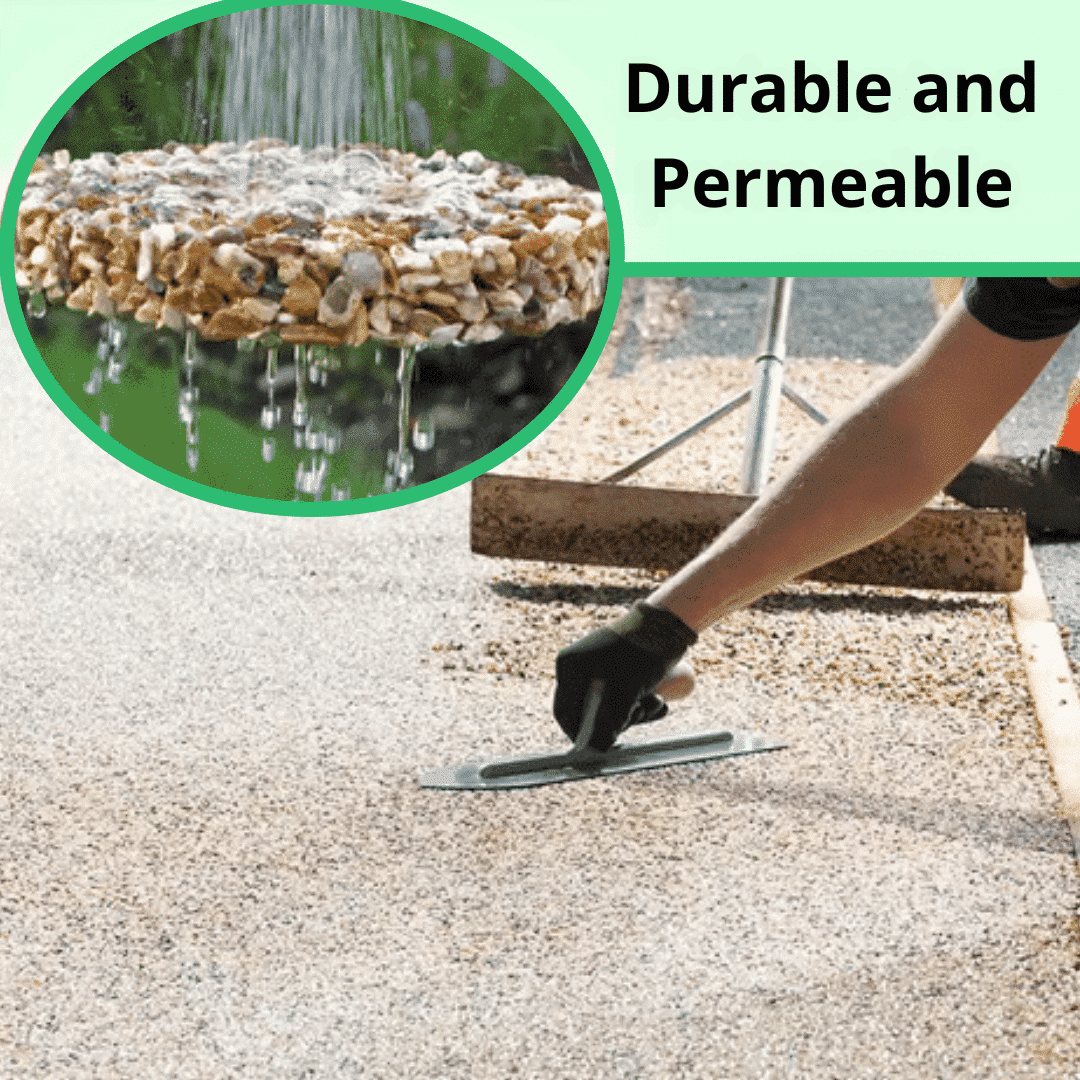
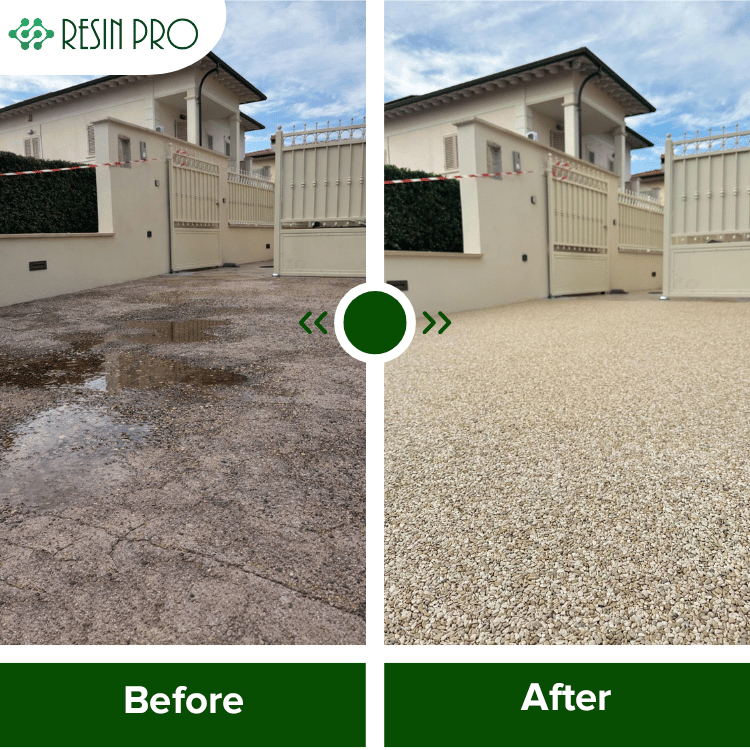
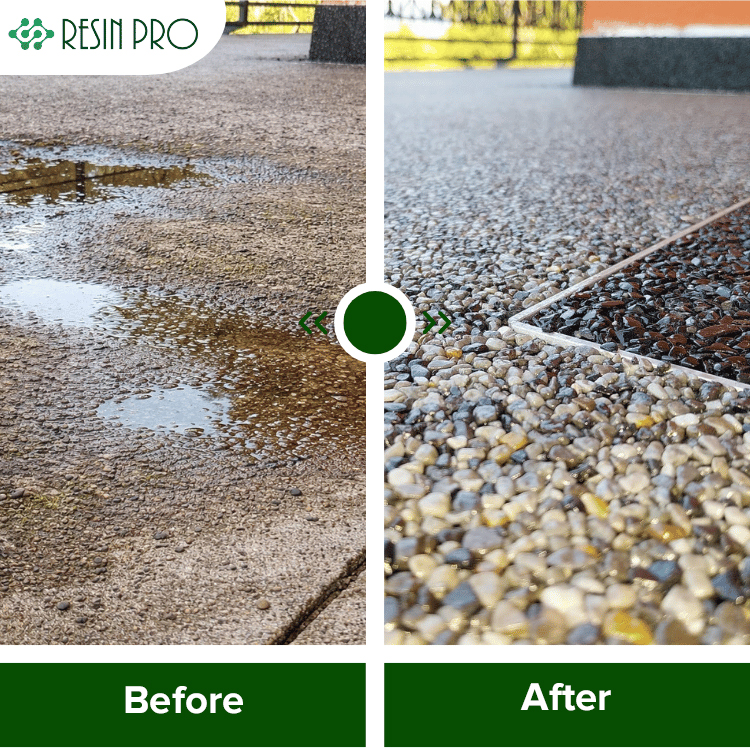
Permeable resin, such as the Flowstone Complete Kit, is specially designed to allow water to drain through its surface. This is achieved by combining decorative pebbles with a resin binder, resulting in a porous finish. Water passes through easily, helping to prevent puddling and reducing the risk of flooding. It’s ideal for driveways, public walkways, patios, and areas that experience frequent rainfall.
The Features of Standard Epoxy Flooring
Standard epoxy flooring creates a seamless, sealed surface. It is commonly used indoors—on garage floors, worktops, and in industrial areas—where a robust, low-maintenance, and waterproof finish is desired. Epoxy resins like those found in marble-effect kits provide a smooth, glossy look that can be customised with pigments and additives for different effects. Since they do not absorb moisture, these systems are not suitable where water drainage is needed.
Guidance on Choosing the Right System
- If you require water drainage—such as for outdoor, sloped, or heavy-traffic spaces exposed to the weather—permeable resin is the preferred choice.
- For areas needing chemical resistance and an ultra-smooth, easy-to-clean finish, such as kitchens or garages, standard epoxy is more appropriate.
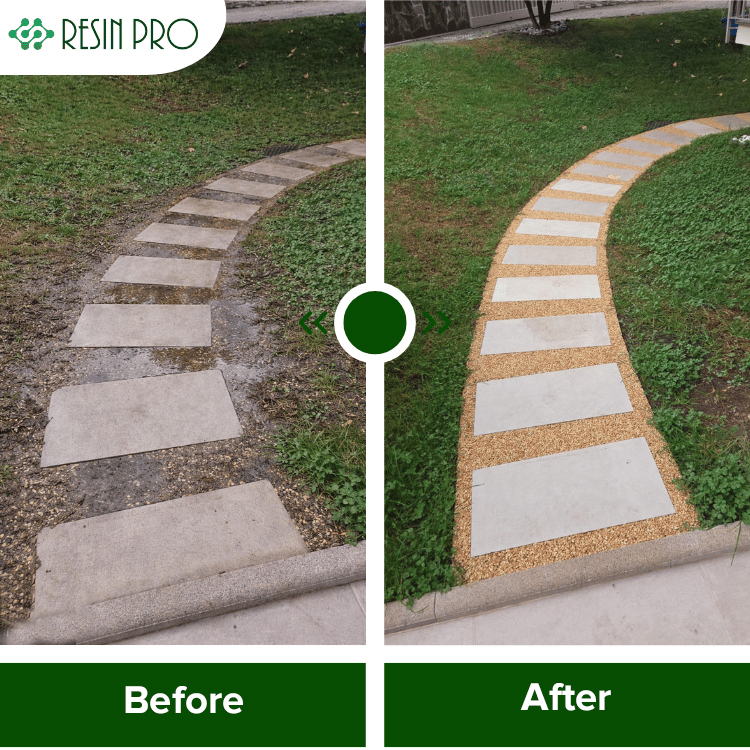
- Permeable solutions are best for patios, footpaths, and drives, while standard epoxies suit homes, workshops, and showrooms.
When This Matters
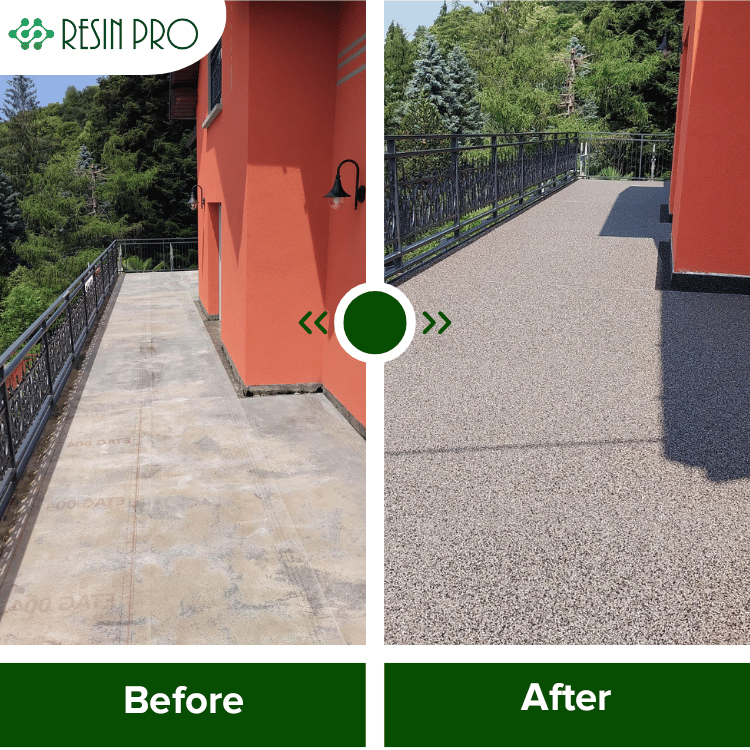
The distinction becomes crucial if your project is outdoors or at risk of standing water. Choosing the wrong type for your needs—like using a non-permeable epoxy on a drive—can result in surface water buildup and potential damage.
Related products
Related guides
Both permeable and standard epoxy flooring offer unique benefits, depending on your project’s requirements. For detailed guidance on resin quantities and choosing the right kit for your space, see our main advice on how much resin is needed for a room of your size.