 Free shipping on orders over £29,85
  Shipping Tracking!


 Google
 Facebook
← Back to How do you make epoxy resin shiny again after sanding?
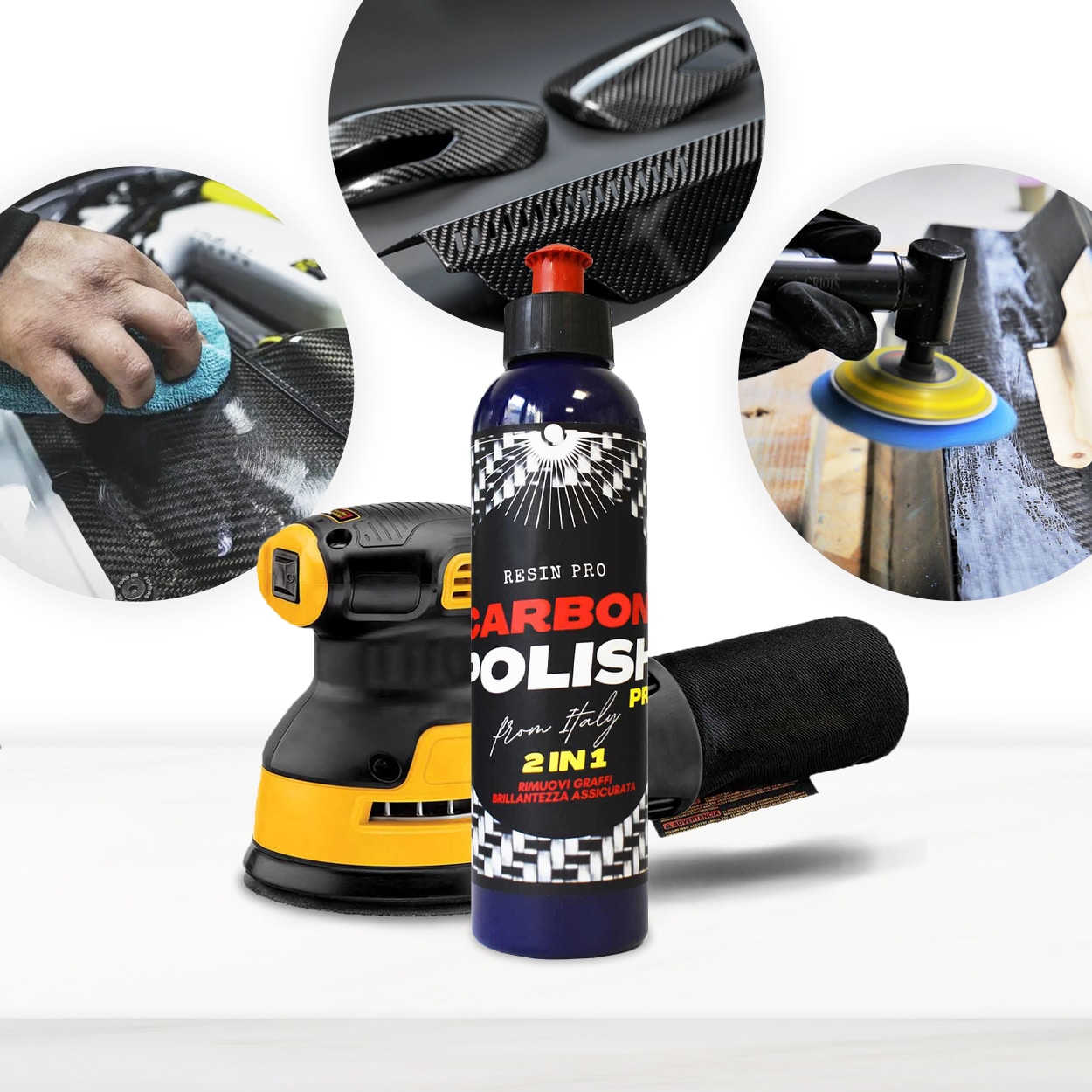
If you are working with deep-coloured or black epoxy resin, you may have noticed that standard polishing products sometimes leave unwanted white marks. Using the right polish makes a visible difference to the final appearance of your project.
Why Some Polishes Aren’t Ideal for Dark Resin
Generic abrasive polishes can leave a whitish residue behind, especially on black or dark-coloured resin surfaces. This often results in a patchy, chalky look that’s particularly noticeable under bright light. The particles in these polishes don’t always break down finely enough, making the marks stand out on glossy, dark finishes.
Choosing a Dedicated Polish for Dark Surfaces
Special formulations, like the “Carbon Polish” system, are specifically designed to address these issues. They often use non-whitening abrasives and a silicone-free formula, ensuring that no pale residue spoils the finish of carbon, black, or deep-coloured resin. These polishes can be applied by hand or with power tools, offering flexibility for both professionals and hobbyists.
Practical Tips for Achieving a Glossy, Even Finish
- Begin with progressively finer sanding pads to remove any surface imperfections before polishing.
- Always use clean, dedicated pads or cloths for dark surfaces to avoid cross-contamination from previous polishing work.
- Apply the polish evenly and avoid excess product—this helps maintain a streak-free, high-gloss shine.
When This Matters Most
Choosing a dedicated dark-surface polish is especially important when working on statement pieces like black river tables, dark art resin work, or restoration of carbon fibre finishes. It ensures a uniform sheen and professional appearance.
Related products
Related guides
Selecting the right polish is key to achieving a true, lasting shine on dark or black resin. Discover more about bringing back the gloss to epoxy resin projects in our main Restoring Shine After Sanding guide.