 Free shipping on orders over £29,85
  Shipping Tracking!


 Google
 Facebook
How do you make epoxy resin shiny again after sanding?
Restore flawless shine to sanded epoxy with simple techniques


Epoxy resin surfaces can lose their glossy finish after sanding, but with the right technique, you can easily restore a brilliant, professional-grade shine. Whether you are repairing a small resin piece or finishing a large table, this guide shows you how to buff away sanding marks and bring back that mirror-like look. Restoring shine not only enhances appearance but also protects the resin surface going forward.
What You’ll Need
- “Ebonite Abralon” – Sanding Pads 360-4000 Grit for Resin and Wood — for precise, progressive sanding
- “Epoxy Polish” – Epoxy Resin Polishing System — for removing scratches and restoring gloss
- “Carbon Polish” – Polishing System for Dark and Black Surfaces, 250ml — ideal for dark-toned or black resin pieces
- Clean microfibre cloths
- Pad holder or rotary polisher (optional, for best results)
- Bowl of clean water (if wet sanding)

Essential Tools for a Flawless Finish
Choosing the right sanding pads and polishing compounds will make restoring epoxy gloss much easier. Invest in products specifically designed for epoxy resin to ensure scratch-free, high-shine results every time.

Step 1: Sand the Surface Evenly
Begin by thoroughly sanding your epoxy resin piece to remove any imperfections, rough patches, or old finish. Always start with a lower-grit pad and methodically work up to higher grits for a smooth, even surface. Wet sanding helps reduce clogging and minimises scratches—simply dampen the “Ebonite Abralon” – Sanding Pads for a more refined result.
Use light, circular motions and avoid excessive pressure. Make certain each area is treated equally to prevent uneven shine later. Progress through grits (for example, starting at 800 and finishing at 3000 or 4000) until the surface feels perfectly smooth to the touch, even if it looks dull at this stage.
Step 2: Clean Off Residue Thoroughly
After sanding, use a clean microfibre cloth to remove all dust, grit, and slurry from the resin surface. Even tiny particles can interfere with polishing and leave behind swirl marks. If necessary, rinse the piece under clean water and dry it completely. Ensuring a spotless base is crucial before moving to the polishing stage.
Step 3: Polish Back the Gloss
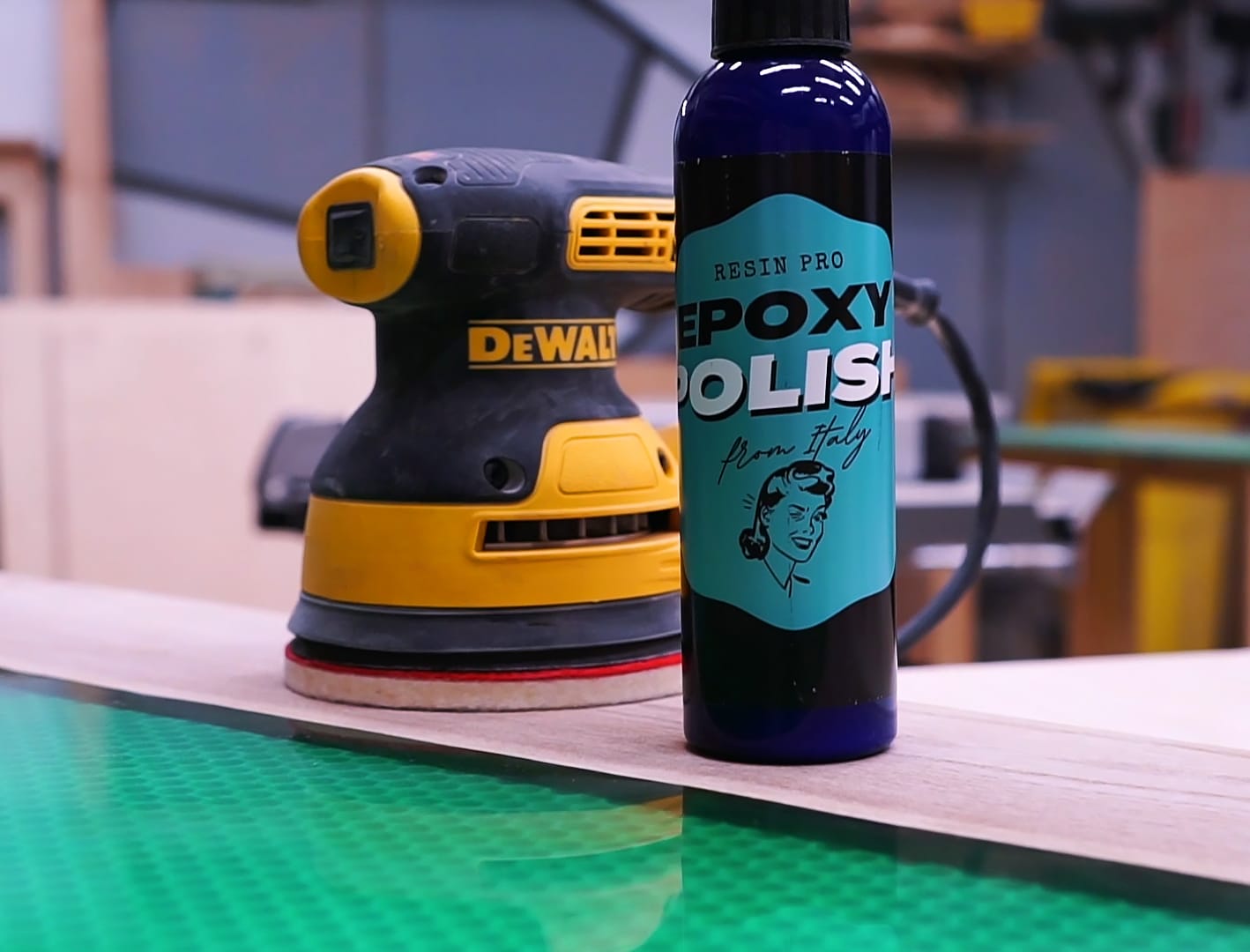
Once perfectly clean, it’s time to restore the shiny finish using a dedicated resin polish. Apply a small amount of “Epoxy Polish” – Epoxy Resin Polishing System to a polishing pad, hand pad holder, or microfibre cloth. Work in small sections using gentle circular movements, gradually increasing speed and pressure if using a machine polisher.
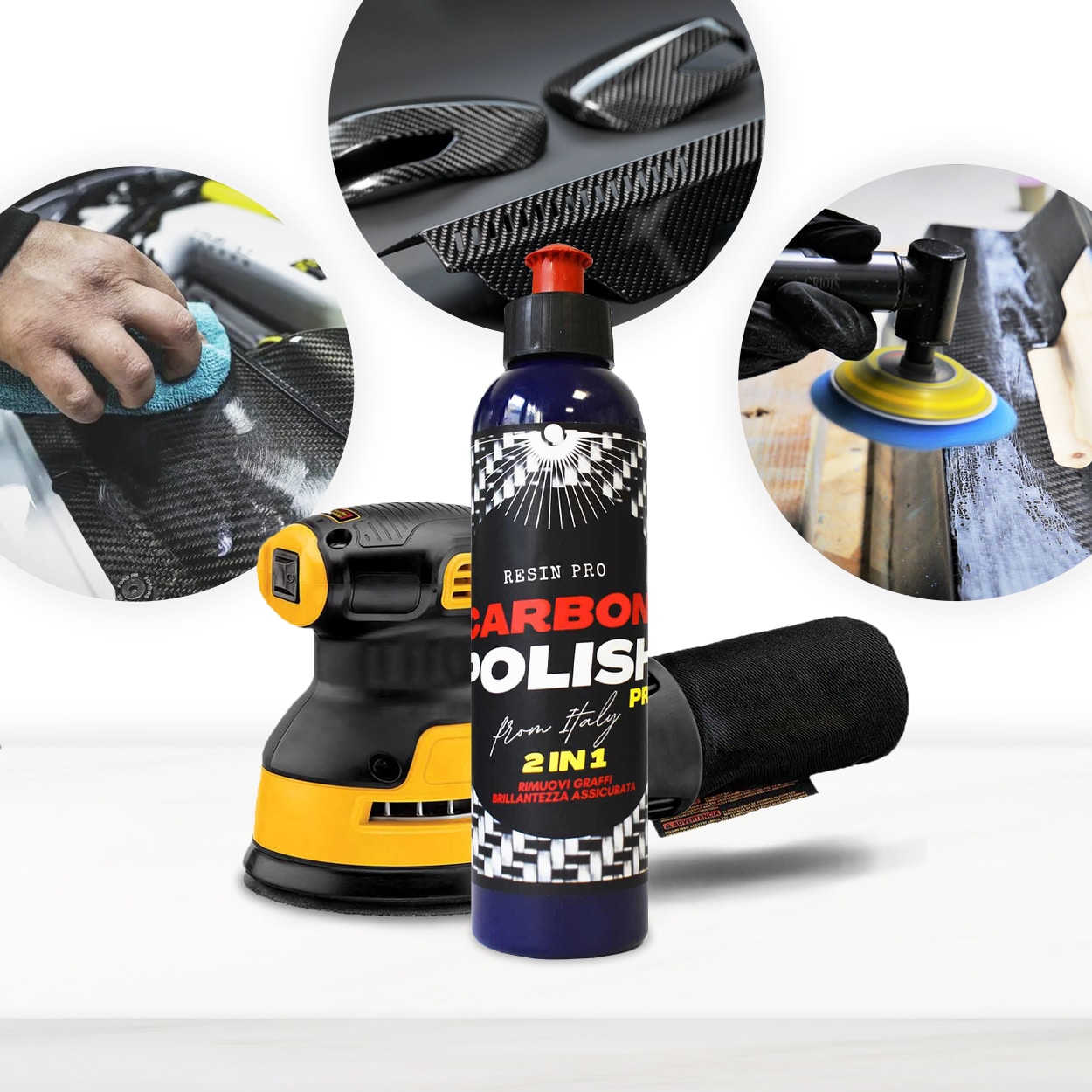
For darker or black resin pieces, switch to “Carbon Polish” – Polishing System for Dark and Black Surfaces, 250ml to ensure an even, hologram-free gloss without white marking. Continue buffing until the full surface reflects light uniformly and no sanding haze remains.
Wipe off any excess polish with a fresh microfibre cloth for a high-impact, mirror-like result.
Step 4: Inspect and Repeat if Needed
Hold the piece under good lighting and scan for any dull patches or remaining micro-scratches. If any areas appear less glossy, repeat the fine sanding and polishing steps as needed. Taking your time with each stage ensures a consistently shiny, protected finish that lasts.
Top Tips and Common Mistakes
- Always use progressively finer grits, and never skip steps in sanding or polishing.
- Avoid over-saturating the resin with water; too much may soften edges or affect adhesion.
- Maintain clean pads and cloths to prevent swirl marks or extra scratches.
- Do not rush the process—a gentle, uniform approach yields the best, longest-lasting shine.
Expert Tip for Deep Shine
For the ultimate finish, buff your resin in a dust-free environment and allow the surface to cool before final inspection. This reduces the risk of new dust or fingerprints dulling the shine.

- "Epoxy Polish" – Epoxy Resin Polishing SystemPrice range: £17.85 through £44.85Epoxy Polish is designed to restore a glossy finish to epoxy resin surfaces, suitable for professionals and DIY users in polishing resin projects.
- "Carbon Polish" – Polishing System for Dark and Black Surfaces, 250mlPrice range: £17.85 through £44.85Carbon Polish Black is designed for polishing dark surfaces including epoxy resin, providing a finish without white residue.
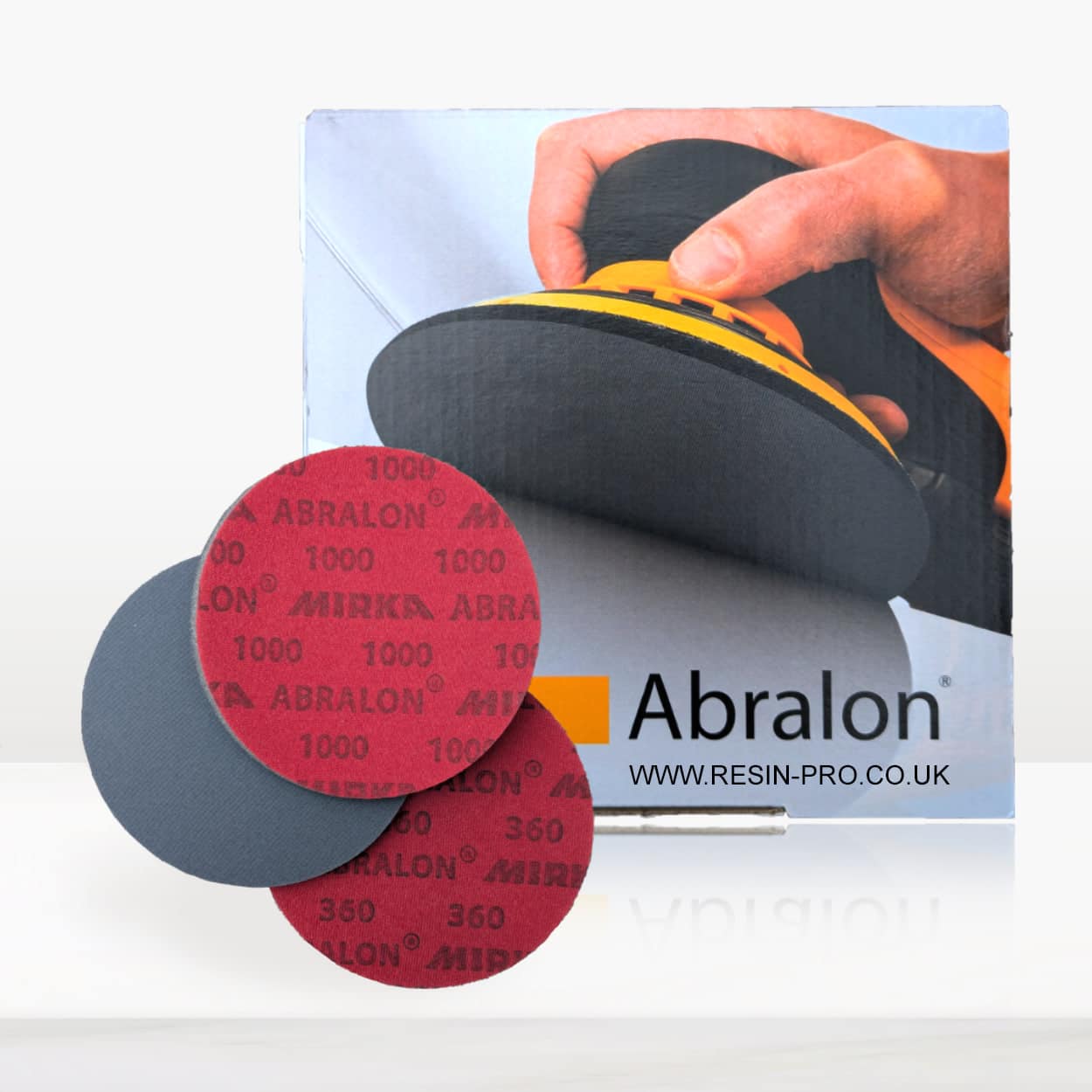 "Ebonite Abralon" – Sanding Pads 360-4000 Grit for Resin and Wood£3.95Sanding pads suitable for wet or dry use, designed for detailed finishing on epoxy resin and wood surfaces.
Frequently Asked Questions
Why does sanding make epoxy resin dull?
Sanding causes tiny scratches in the resin, which scatter light and result in a cloudy or matte appearance.
What is the best product to use for restoring gloss on epoxy?
A specialised epoxy resin polishing compound delivers the clearest, most durable shine on sanded resin.
Should I use a different polish for dark resin?
Yes, dedicated dark-surface polishes prevent white residue and ensure an even finish on black or deep-coloured resins.
Can I polish resin by hand, or do I need a machine?
You can polish by hand for small pieces, but a rotary polisher gives more consistent results on large surfaces.
How can I avoid swirl marks when buffing epoxy resin?
Use clean pads or cloths and keep polishing compound evenly distributed to prevent swirls.
What grit should I use before polishing to restore gloss?
Finish with a very fine grit, like 3000 or 4000, before moving on to polishing compounds.