 Free shipping on orders over £29,85
  Shipping Tracking!


 Google
 Facebook
← Back to Why does epoxy resin break?
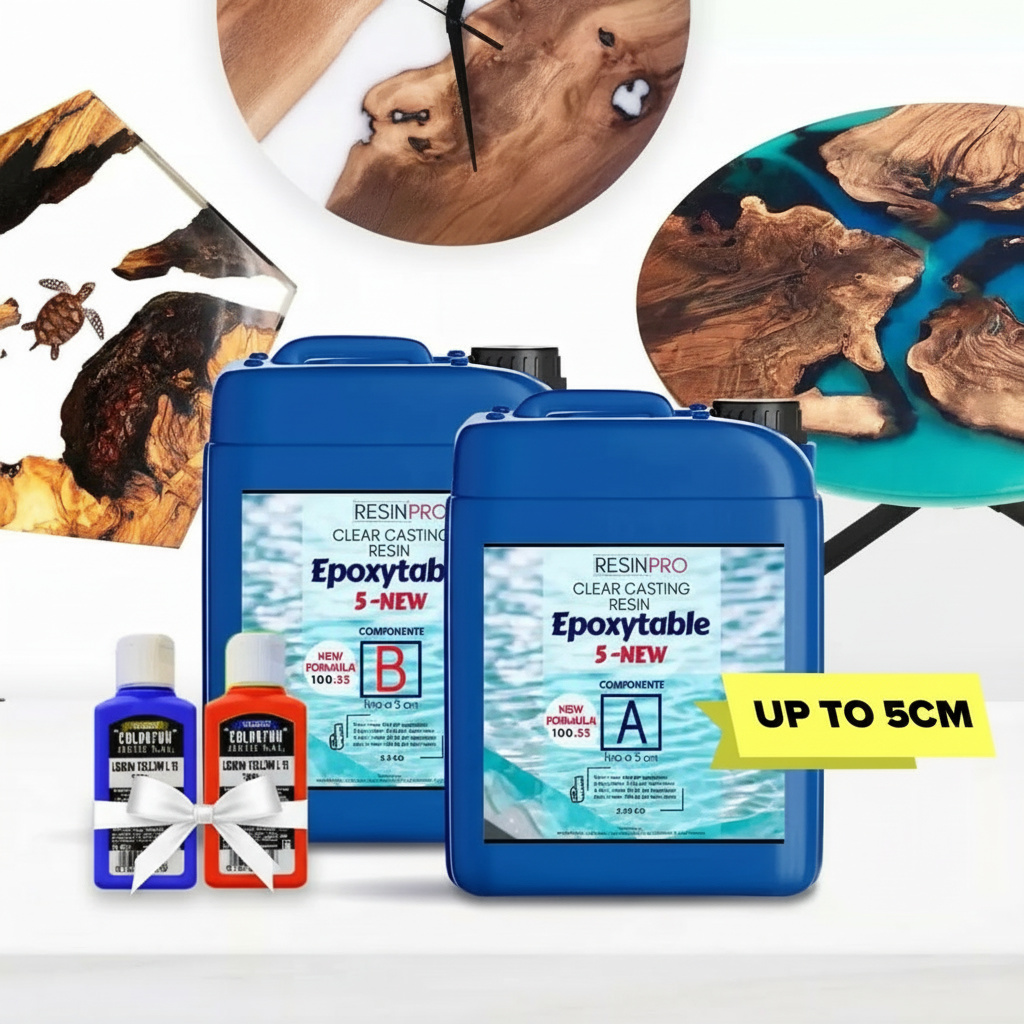
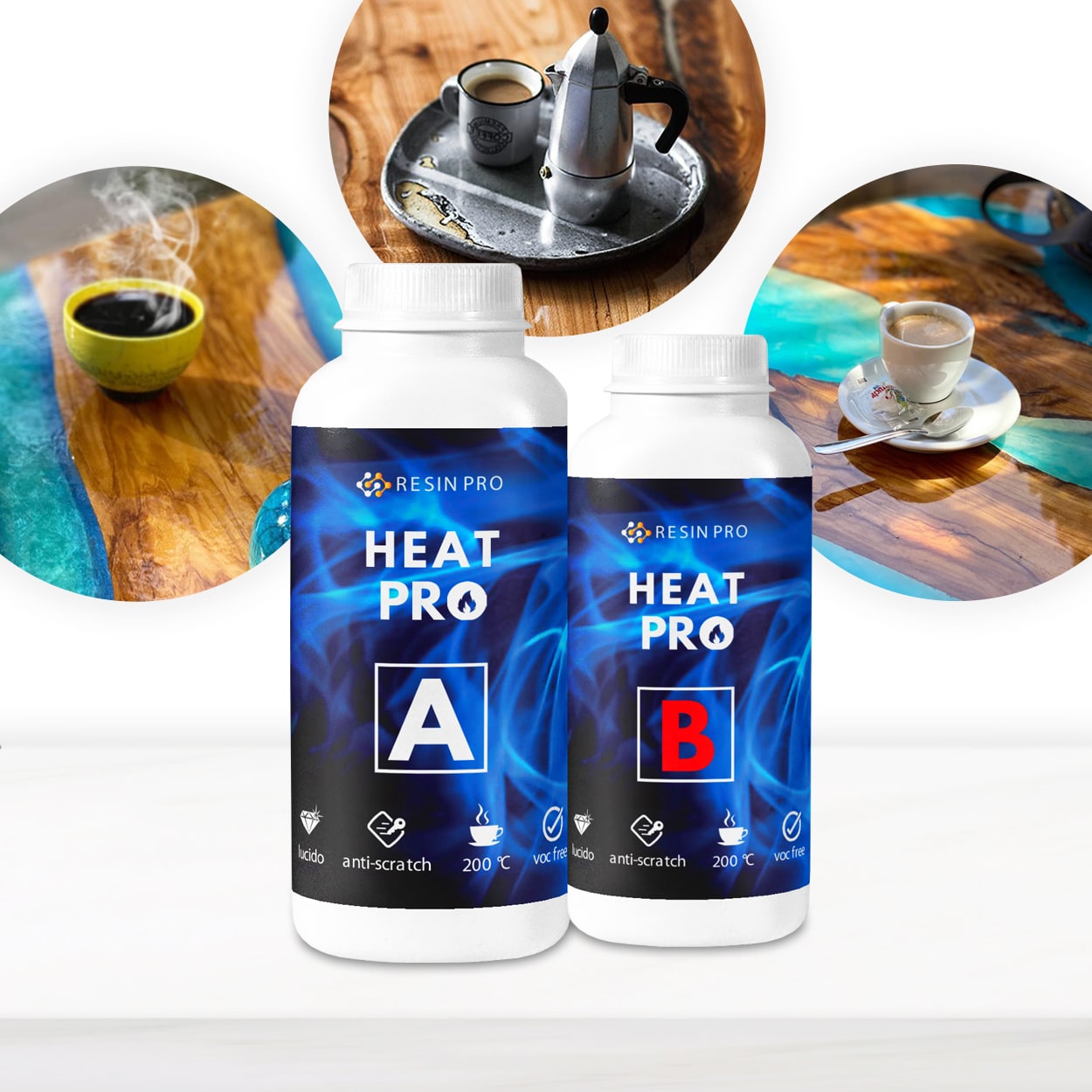
Whether you’re creating a beautiful river table or a glossy bar top, it’s important to understand why epoxy behaves differently in thin and thick applications. Choosing the right product and approach ensures a strong, flawless finish.
How Cure Thickness Impacts Epoxy Behaviour
Thin epoxy layers cure more quickly thanks to efficient heat dispersion, often resulting in a slightly more flexible finish. This flexibility can help absorb minor impacts and thermal changes. By contrast, thick epoxy pours cure much slower due to heat accumulating within the resin. This can cause a pronounced exothermic reaction, increasing the risks of trapped bubbles, warping, or even cracks.
- Thin coats: Best for protective top layers, coasters, or surface shine.
- Thick pours: Suited for embedding objects or creating deep castings like tables, when managed in stages.


Common Issues in Thick and Thin Epoxy Coatings
Thinner coatings are less likely to trap bubbles or overheat but may be less durable against heavy knocks if the formulation is too soft. Thicker applications can look stunning, but controlling the cure is vital: too much heat can weaken the resin or create cloudy spots. For large or deep pours, always choose an epoxy formulated specifically to minimise overheating and allow bubbles to escape, such as EpoxyTable 5-Five.
Practical Guidance: Get the Right Result
- Select an epoxy product matched to your intended thickness. For projects up to 5cm, deep pour resins are essential to reduce heat build-up and avoid curing failures.
- For thin protective or decorative layers, a flexible, heat-resistant finish such as Heat Pro can give a tough, glossy final look.
- Work in layers for pours exceeding a product’s recommended thickness, ensuring each is fully cured before adding the next to avoid thermal stress.

When This Matters
Understanding this difference is particularly important for complex or large-scale resin projects like tabletops or decorative castings, where structural integrity and finish are critical. Using the right strategy prevents costly mistakes and ensures your epoxy creation stands the test of time.
Related products
Related guides
The behaviour of your epoxy coating comes down to how heat and thickness interact during curing. Making informed choices will protect your work from breaking and keep it looking its best. For more guidance on preventing breaks and cracks in resin, visit our main Why does epoxy resin break? guide.