 Free shipping on orders over £29,85
  Shipping Tracking!


 Google
 Facebook
← Back to How do you catalyse cast synthetic resin?
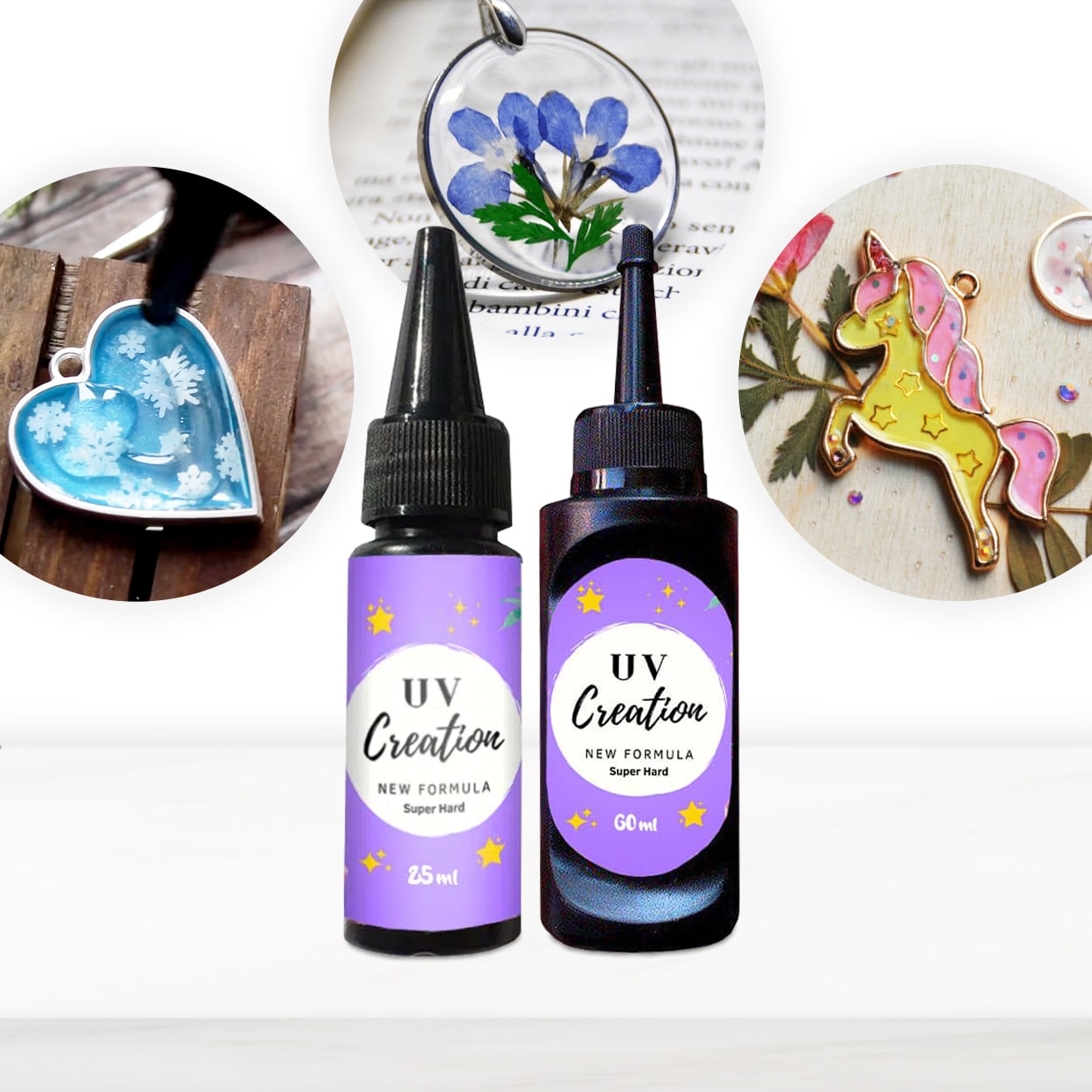
When working with cast synthetic resin, it’s important to understand the distinction between UV and epoxy catalysis. The method chosen can impact the ease, speed, and outcome of your project.
How UV Resin Catalysis Works
UV resin uses ultraviolet light as a catalyst. Once shaped or poured, it’s placed under a UV lamp—in just 2–3 minutes, it cures to a hard, glossy finish. No mixing is required, making it ideal for jewellery making and small craft projects where speed is essential. Products like “UV–Creation” Fast Acrylic Resin are ready-to-use straight from the bottle and perform best with thin layers or intricate moulds.
How Epoxy Resin Catalysis Works
Epoxy resin relies on a chemical hardener as its catalyst. The two components must be carefully measured and mixed. Once poured, the resin gradually cures at room temperature. While typical curing times can range from 6 hours (for rapid formulas like “ICreation” Fast Epoxy Resin) to 24 hours or more for conventional blends, epoxy resins allow for thicker pours and larger projects such as tabletops or decorative castings.
When the Choice Matters
- Quick fixes or small items: UV resin is perfect for jewellery, repairs or rapid production where a fast turnaround is needed.
- Larger, intricate, or deep projects: Epoxy resin is best, as it can be poured thicker and provides a robust, durable finish after full cure.
Related products
Related guides
Knowing the differences between UV and epoxy catalysis helps you select the right resin for each creative challenge. For further details about the catalysis of cast synthetic resin and choosing the ideal system for your needs, explore our main guide.