 Free shipping on orders over £29,85
  Shipping Tracking!


 Google
 Facebook
← Back to How does resin harden?
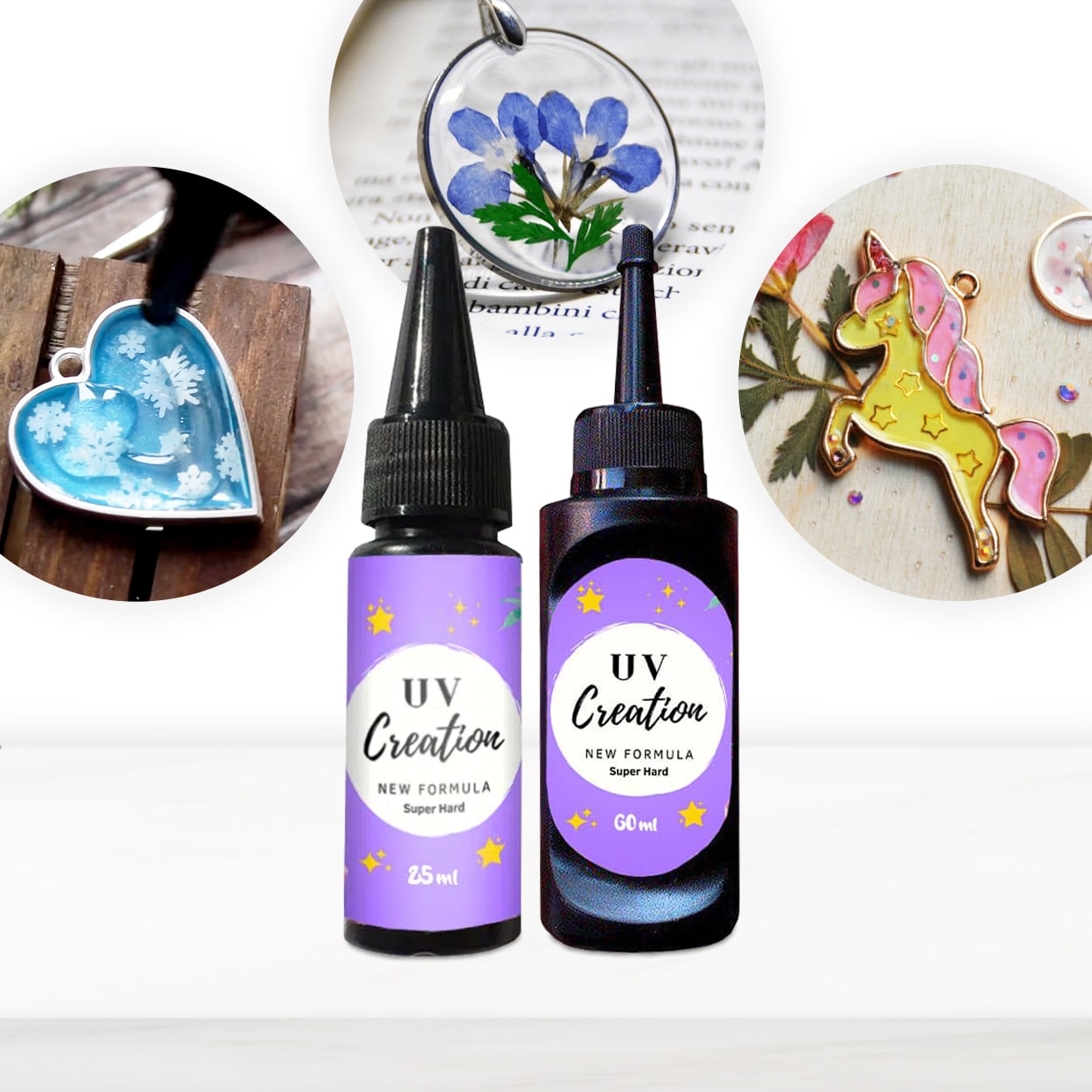
Resin crafting offers makers flexibility, but understanding how different resins cure is key to choosing the right method for your project. Here’s how UV resin and epoxy resin hardening differ in practice.
How UV Resin and Epoxy Resin Cure
UV resin cures when exposed to ultraviolet light, often setting in just a few minutes. It comes as a single liquid component and hardens only where the UV light reaches. This means UV resin is ideal for shallow layers or small items like jewellery charms.
Epoxy resin, on the other hand, is a two-part system. You mix a resin base with a hardener, triggering a chemical reaction that gradually hardens throughout the mix. The curing occurs even where no light is present, which can take several hours up to a full day, depending on the formulation.
Practical Uses and Choosing the Right Resin
If you need rapid results or want a no-mix system for small, clear projects, UV–Creation UV resin is perfect for jewellery and quick crafts. It cures in under five minutes with a suitable UV lamp.
Epoxy resin, such as the ICreation Fast Epoxy Resin, works best for thicker pours, larger items, or where you need more working time to add colours or embed objects. With epoxy, the chemical hardening ensures uniform curing, even in deeper moulds.
When This Matters
- For fine jewellery, bezels, or finishing coats: UV resin’s instant curing is highly convenient.
- For casting coasters, small sculptures, or functional items: Epoxy resins support deeper layers and broader designs, with various mixing ratios to suit your workflow.
Related products
Related guides
Understanding the core difference—light-triggered curing versus chemical hardening—helps in choosing between UV and epoxy resin for your creative needs. For more insights, explore our main guide on how resin hardens.