 Free shipping on orders over £29,85
  Shipping Tracking!


 Google
 Facebook
← Back to How to recognize watch resin?
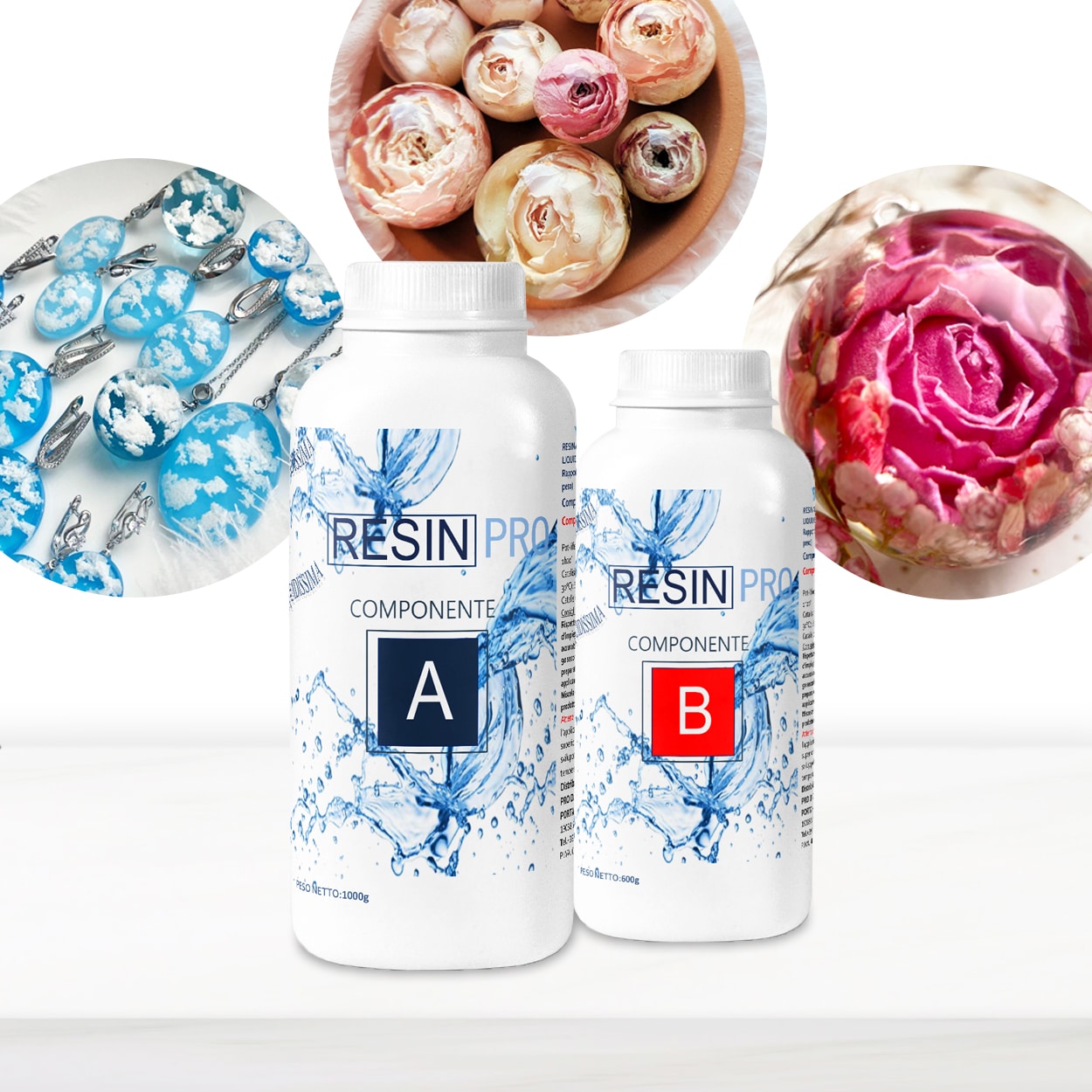
When crafting or restoring watches, the choice between epoxy and polyurethane resin can impact both appearance and process. Understanding their key differences helps you select the best material for your project.
Finish and Clarity
Epoxy resin is prized for its glossy, completely transparent finish, making it ideal for watch faces and domed coatings where a crystal-clear look is essential. Its self-levelling formula ensures even, professional results with minimal effort, especially in detailed projects such as jewellery or small watch parts.
For example, Liquidissima Epoxy Resin offers high transparency and excellent flow for such intricate applications.
Working Time and Detail
Polyurethane resin tends to cure faster than epoxy, making it better suited for rapid working and detailed cast components, such as customised watch gear or decorative elements. Its high fluidity allows it to fill fine moulds with greater speed, reducing total project time. Polyurethane can typically be coloured or painted after curing, giving flexibility for creative projects.
Consider products like “IWhite” Polyurethane Casting Resin when quick turnaround and detailed casting are priorities.
When This Matters
- Choose epoxy when you want a smooth, glass-like finish for display or scratch-prone areas such as watch faces or bezels.
- Opt for polyurethane when speed and detailed replica parts are most important, such as for gears or miniature elements within a custom design.
Related products
Related guides
Understanding the differences between epoxy and polyurethane resin allows you to select the right type for your watchmaking or restoration needs. For more guidance, explore our main page on how to recognise watch resin.