 Free shipping on orders over £29,85
  Shipping Tracking!


 Google
 Facebook
← Back to Where to buy IVAS floor resin in Rome?
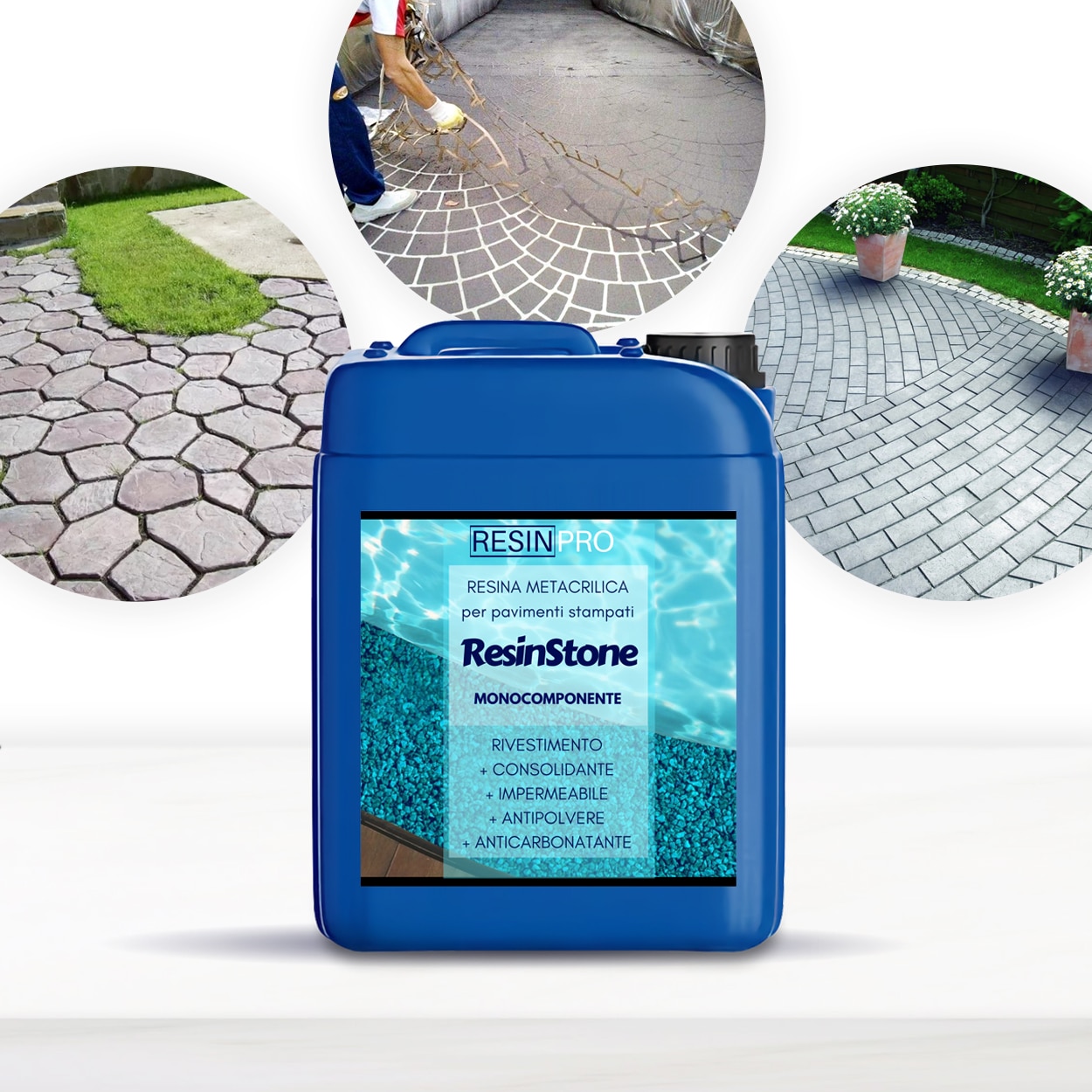

Choosing the right floor resin can make all the difference for appearance, durability, and long-term care. Knowing how methacrylic, epoxy, and permeable resins differ helps you select the most effective solution for your next project.
Methacrylic Floor Resins: Deep Penetration and Sealing
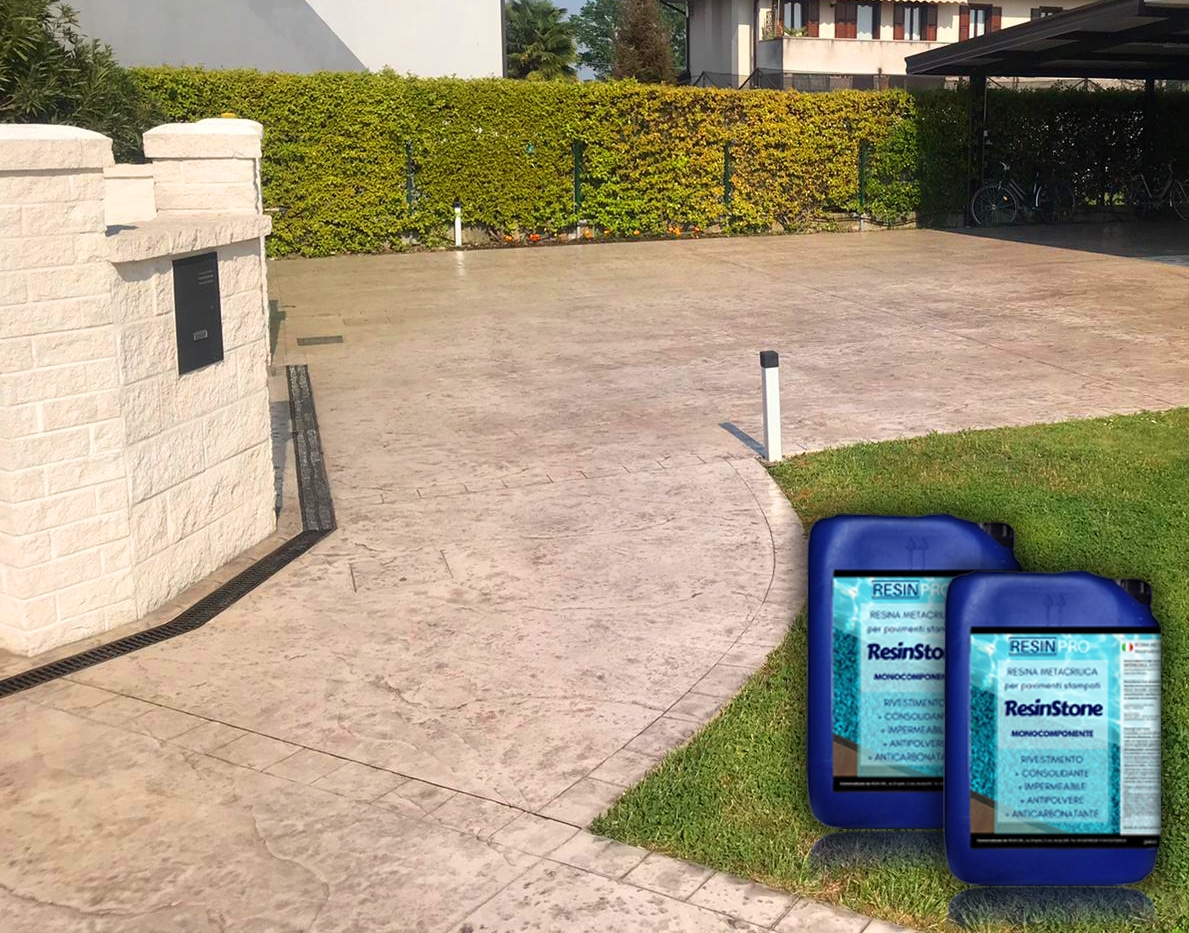
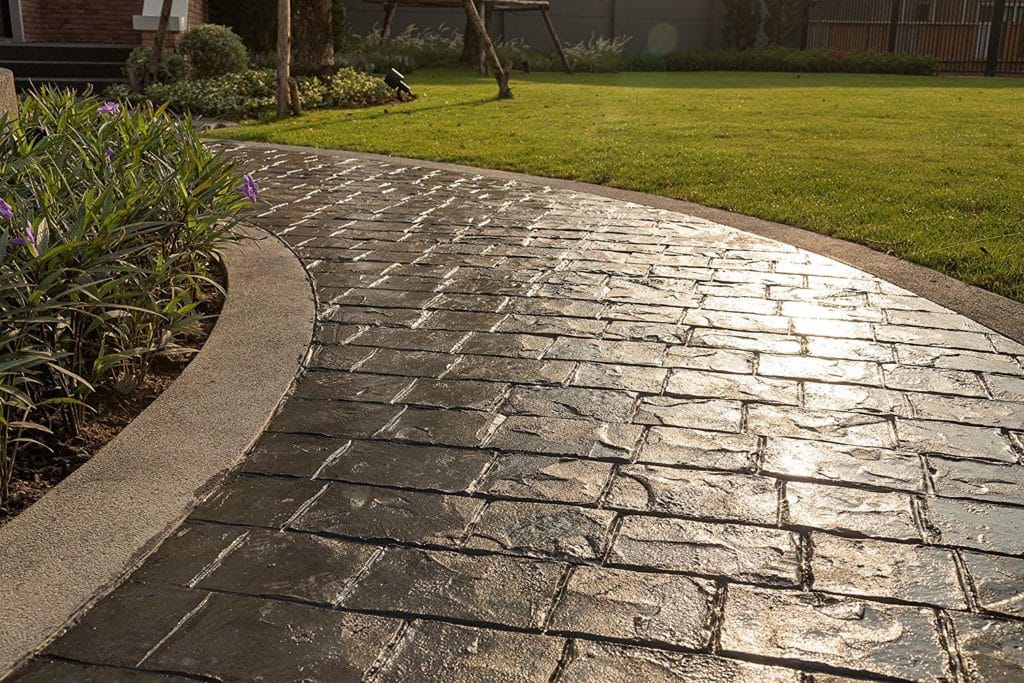
Methacrylic resins—like Resinstone—are designed specifically to seal and stabilise concrete surfaces. These products are valued for their ability to penetrate deep into porous substrates, enhancing mechanical resistance and providing a waterproof, yet breathable, barrier. They’re particularly well-suited for driveways, patios, garages, and outdoor walkways where both moisture protection and durability are key.
- Best for: Sealing absorbent concrete and stamped flooring
- Quick drying—often ready for use within 12 hours
- Not recommended for loose stone or non-absorbent surfaces
Epoxy Resins: Versatile Surface Coating and Deep Pouring
Epoxy resins are widely used for floor coatings, repairs, and larger castings. Their versatility means they can be applied as protective surface layers, self-levelling floors, or even for deep pours in applications such as resin tables. Epoxy provides a tough, glossy finish that resists stains, scratches, and moderate heat. Its adaptability makes it suitable for both decorative and industrial uses, including covering wood, concrete, or ceramic surfaces, as well as artistic and craft projects that require a clear, level surface.
Permeable Floor Resins: For Outdoor Drainage
Permeable floor resin kits—like the Flowstone Complete Kit—combine resin with aggregates to form a stable, porous surface. This allows rainwater to filter through instead of pooling, making them ideal for driveways, paths, and patios where drainage matters. These systems reduce water stagnation and help with sustainable outdoor space management. Permeable resins are especially practical for high-traffic zones and climates with frequent rain.
When Does the Right Resin Matter Most?
Selecting the wrong resin can lead to poor results—such as lack of adhesion, water ingress, or surface instability. It’s important to consider the surface type, exposure to weather, and whether water drainage is a priority before choosing between methacrylic, epoxy, or permeable options.
Related products
Related guides
Understanding the strengths of methacrylic, epoxy, and permeable resins empowers you to achieve professional-quality finishes and lasting floors, especially when sourcing products for specialist projects as discussed on our main guide to IVAS floor resin in Rome.