 Free shipping on orders over £29,85
  Shipping Tracking!


 Google
 Facebook
← Back to What is the thermal dissipation factor in resins?

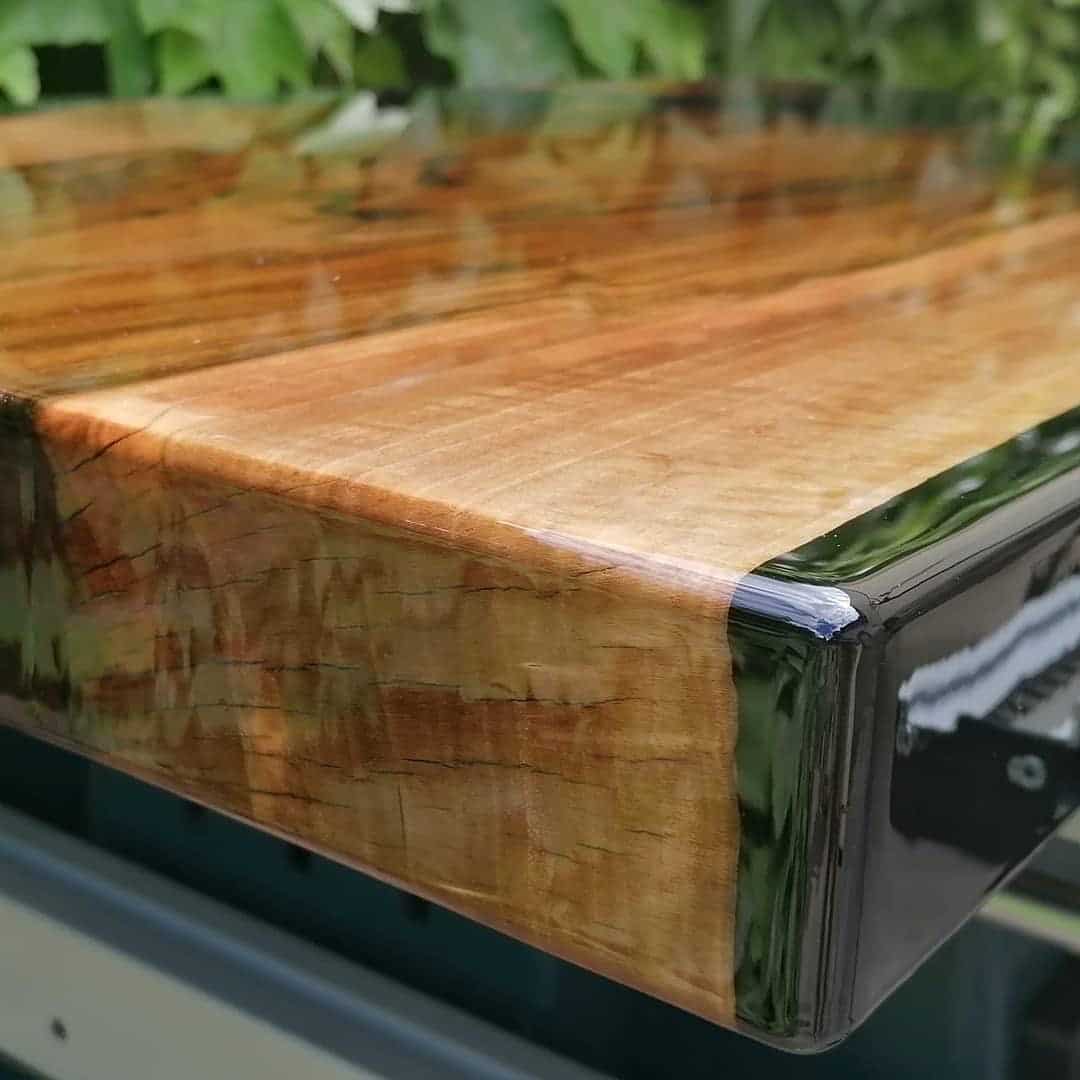
When choosing a resin for your project, understanding how each type handles heat is essential. Epoxy and polyurethane resins react quite differently when exposed to high or changing temperatures, affecting both the application process and long-term performance.
Epoxy Resin: Rigid Performance with Controlled Heat
Epoxy resin is engineered for rigidity and clarity, making it suitable for deep casting projects such as tabletops and artistic features. During curing, epoxy generates heat (an exothermic reaction), so it’s important to use types specifically designed to manage this effect in thick pours. For instance, a product like “Epoxytable 10-Ten” – Deep Pour Epoxy Resin allows for thicknesses up to 10cm without overheating, as it dissipates heat at a controlled rate. Epoxies are best chosen when your aim is a tough, stable, and non-flexible finish, especially for large or thick structures.


Polyurethane Doming Resin: Flexible and Thermally Versatile
Polyurethane doming resin is valued for its flexibility and impressive stability across a wide temperature span, typically remaining stable from -40°C to +80°C once fully cured. This makes polyurethane a reliable option for stickers, badges, and labels that may face outdoor conditions or require a slight give for curved surfaces. Unlike rigid epoxy, polyurethane’s flexible character and thermal resilience offer superior performance in environments subject to frequent temperature changes.
Choosing the Right Resin for Thermal Demands
- Epoxy: Choose for deep, rigid castings where controlled curing and clarity are key. Ensure the selected epoxy is suitable for your intended thickness to avoid excessive heat build-up.
- Polyurethane: Opt for applications demanding flexibility and consistent performance across an extended temperature range—ideal for surfaces that bend or will be outdoors.
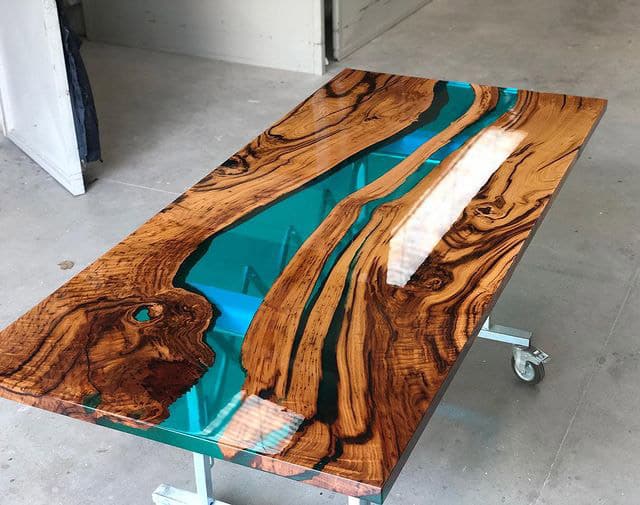
When This Matters
The difference in thermal behaviour matters most when your resin will experience substantial temperature changes or mechanical stress. Outdoor signage, furniture near heat sources, and castings with significant thickness all require careful resin selection based on these properties.
Related products
Related guides
Understanding how epoxy and polyurethane resins behave in response to heat empowers you to select the right product for your project’s requirements. For more on how thermal dissipation shapes your resin choices, visit our main resource: What is the thermal dissipation factor in resins?