 Free shipping on orders over £29,85
  Shipping Tracking!


 Google
 Facebook
← Back to How are epoxides obtained?
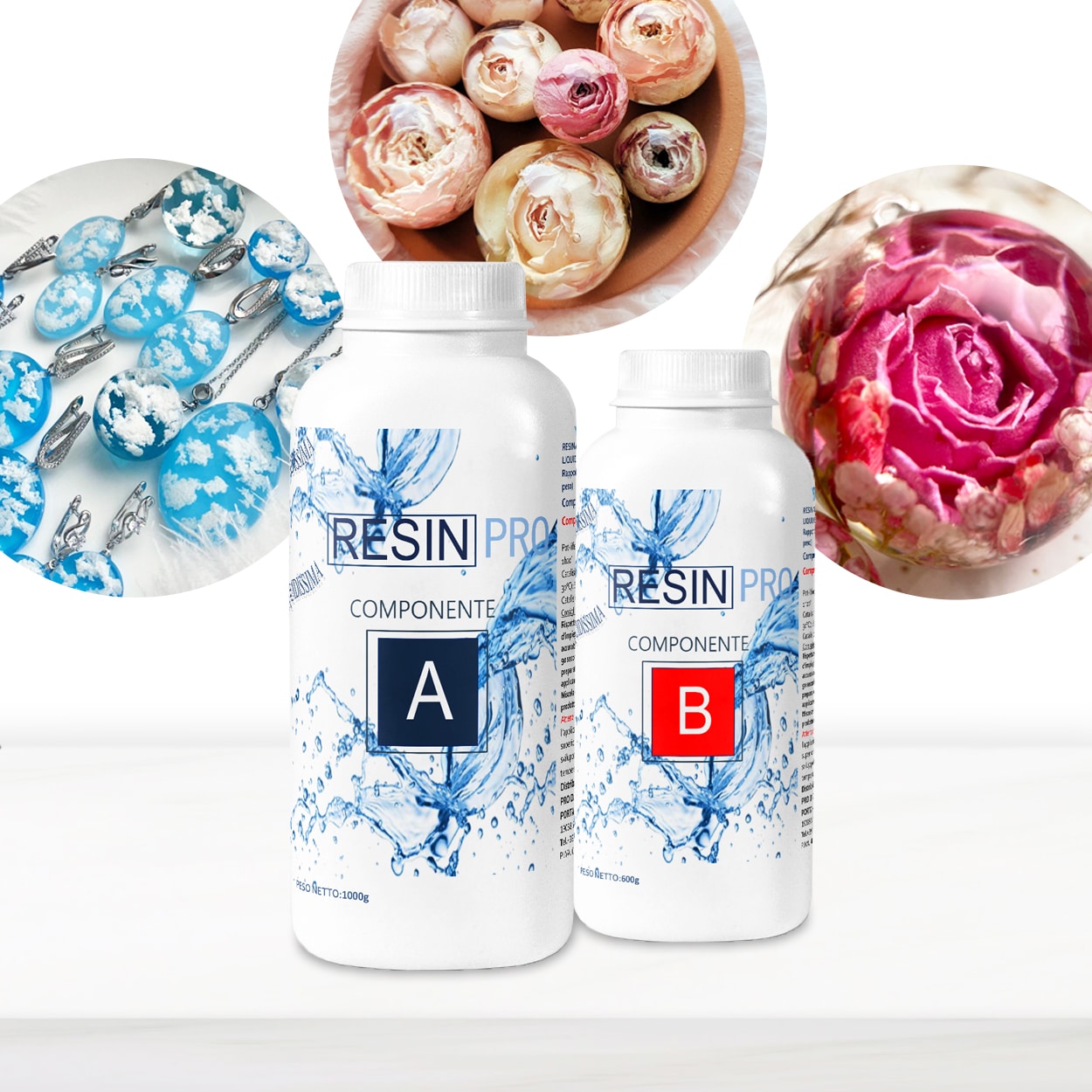
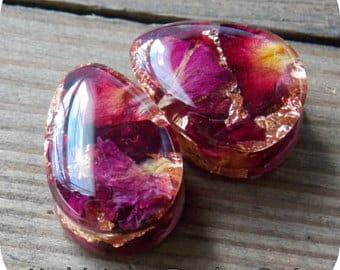
Epoxy resins are incredibly versatile, but not all are the same. Choosing the right type makes a big difference in performance, clarity, and end result for your project. Here’s what sets the main epoxy resin types apart.
Key Factors: Viscosity, Clarity, and Curing
The most apparent differences between epoxy resins lie in viscosity (thickness), transparency, and curing time. Low-viscosity resins, such as “Liquidissima”, flow easily into intricate moulds and offer excellent clarity, making them perfect for detailed jewellery and decorative pieces. Higher viscosity formulas, on the other hand, are often used for coatings or when filling large voids where self-levelling is less critical.
Curing time also varies—some resins are designed for a longer working time, allowing for more meticulous crafting or complex pours, while others set more rapidly for quick results. Transparency can range from water-clear for artistic uses to slightly tinted for reinforcing natural materials.
Resins for Specific Applications
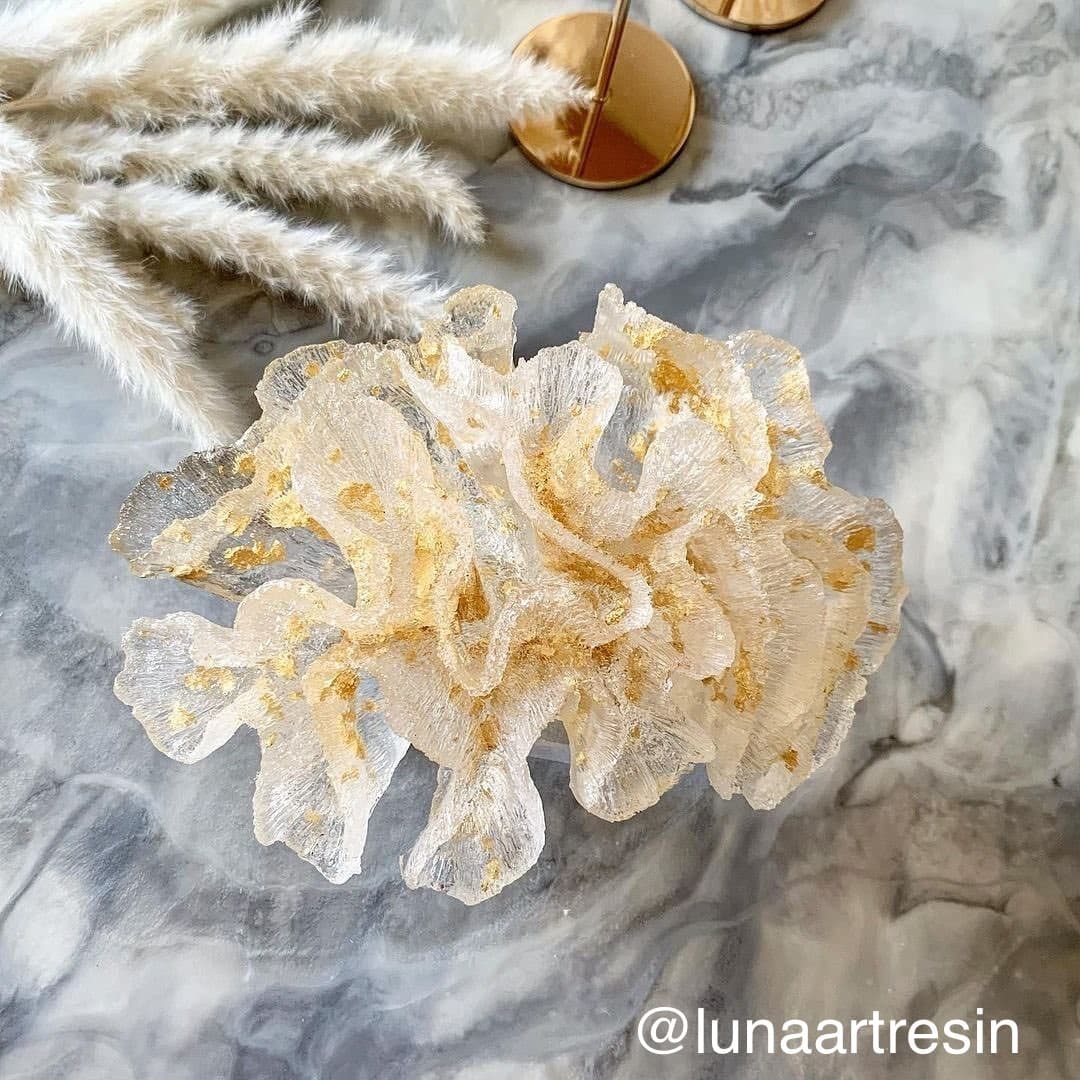
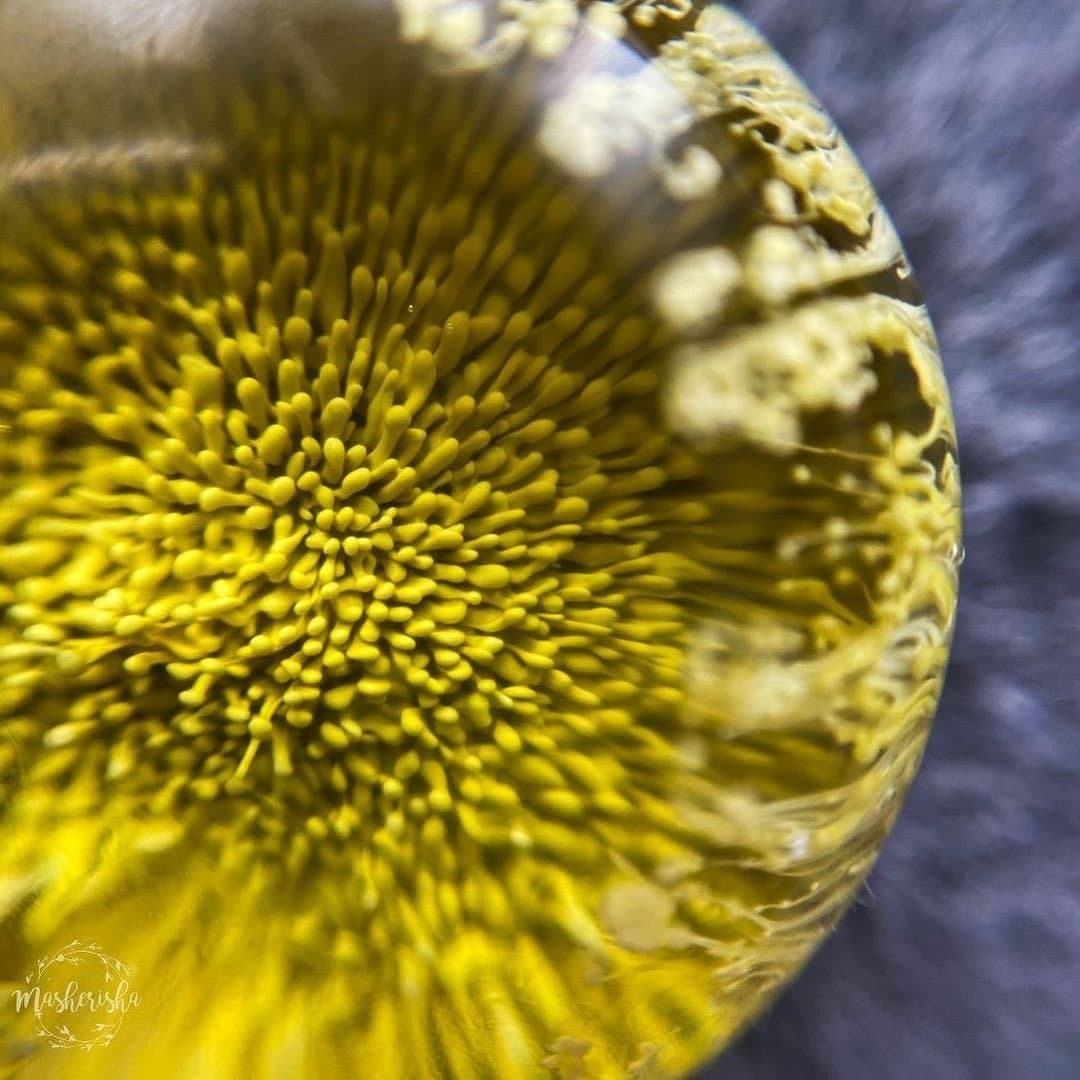
- Jewellery & Art: Ultra-clear, low-viscosity formulas suit designs that require minimal bubbles and maximum brilliance, as seen in products like “Liquidissima”.
- Wood Restoration: Specialised wood resins, such as EpoxyWood, are optimised for deep penetration, reinforcing and sealing timber surfaces while leaving a subtle tint that highlights grain.
- Composites: Epoxy resins formulated for carbon fibre or fibreglass, like Carbon Resin, prioritise flawless fabric impregnation and enhance structural durability, especially in technical or industrial applications.
When resin selection matters most
Choosing the correct epoxy resin means better results and less frustration—especially with projects demanding specific characteristics. For example, a jewellery maker requires high clarity and bubble resistance, while a woodworker needs deep penetration for effective repair and protection. Composite builders need formulas supporting fabric integration and mechanical strength.

Related products
Related guides
Understanding the main differences between epoxy resins ensures your project gets the precise finish and performance required. Whether for art, restoration, or fabrication, selecting the right resin type is fundamental. Learn more about how these materials are made on our main How are epoxides obtained? page.