 Free shipping on orders over £29,85
  Shipping Tracking!


 Google
 Facebook
← Back to Where is resin located in Castiglione delle Stiviere?
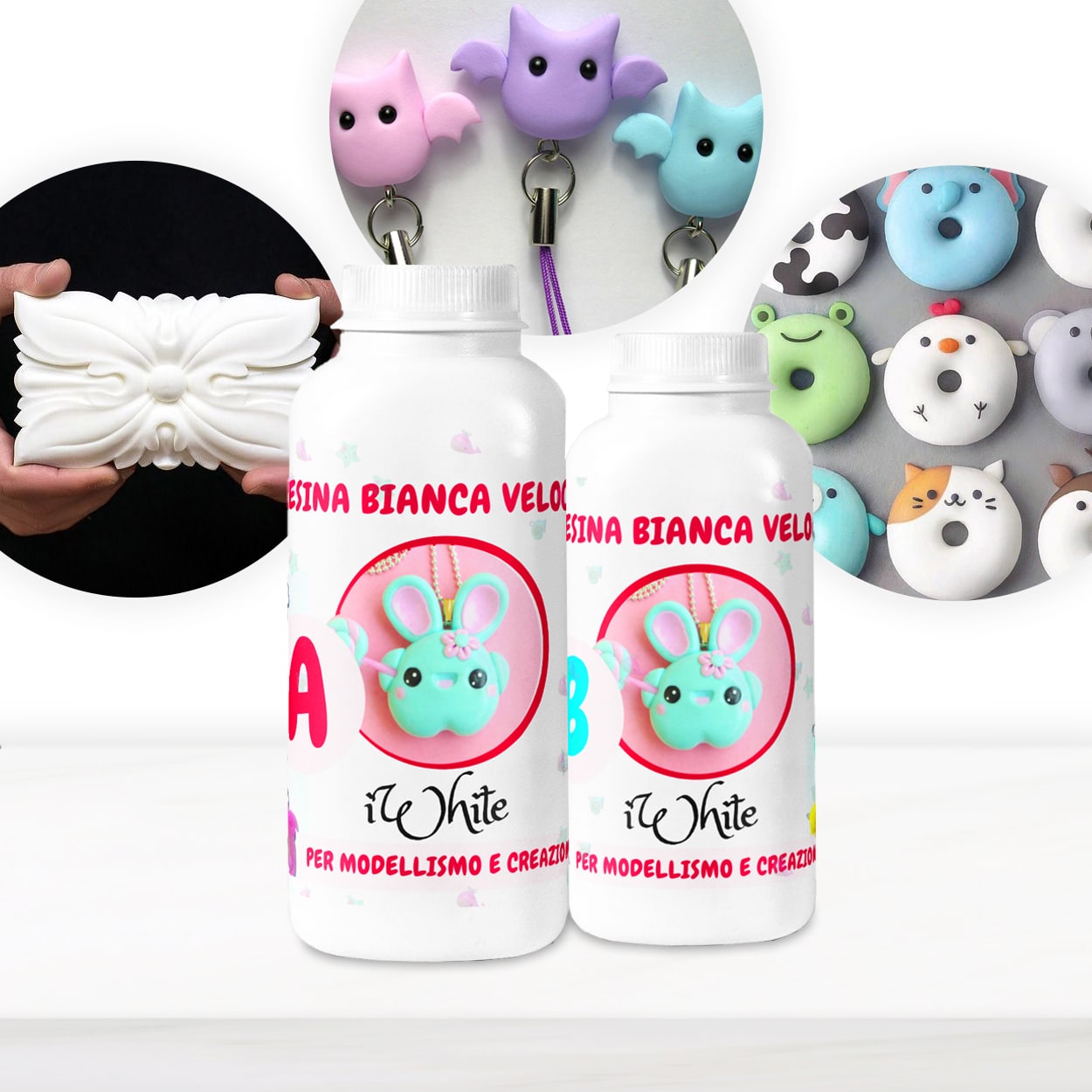
Polyurethane and epoxy resins each have strengths that make them popular across a variety of creative, industrial, and hobbyist applications. Choosing the right one for your project ensures better results and fewer complications.
What Makes Polyurethane and Epoxy Resin Different?
Polyurethane casting resins are valued for their rapid curing and high fluidity. They quickly set into solid forms and flow easily into complex moulds, reducing the risk of trapped air bubbles. Epoxy resins generally provide longer working times, allowing more intricate detailing or time for adjustments before the material hardens. Each has a distinct finish: epoxy tends to provide a glossy, vitreous result, while polyurethane is often easier to paint or colour after curing.

Practical Uses and Selection Guidance
Polyurethane resins such as the IWhite Polyurethane Casting Resin are ideal for fast prototyping, model making, rapid repairs, and detailed art pieces. Their quick setting and fine detail reproduction make them a favourite for scale models and casting small decorative objects. Epoxy resin, in contrast, is often chosen for projects that benefit from a long working time, such as complex art pours (including functional art like coasters and trays), river tables, or encapsulating objects where finishing is important.
- Choose polyurethane for speed and high detail in moulds.
- Opt for epoxy if your creation needs a longer adjustment period or a glass-like surface finish.
When These Differences Matter
Quick-setting resins like polyurethane are invaluable when deadlines are tight or when multiple casts are needed in a day. Epoxy proves advantageous for larger projects that require slow, careful layering or when combining colours and effects for decorative items. For those starting out in resin casting or seeking safer alternatives, water-based systems like NatuResin also offer simple handling for creative crafts.
Related products
Related guides
Understanding whether polyurethane or epoxy resin best suits your needs helps you achieve smoother results in art, crafts, or prototyping. Explore more on resin types and their ideal uses by returning to our main resin guide.