 Free shipping on orders over £29,85
  Shipping Tracking!


 Google
 Facebook
← Back to How do you dilute liquid resin?
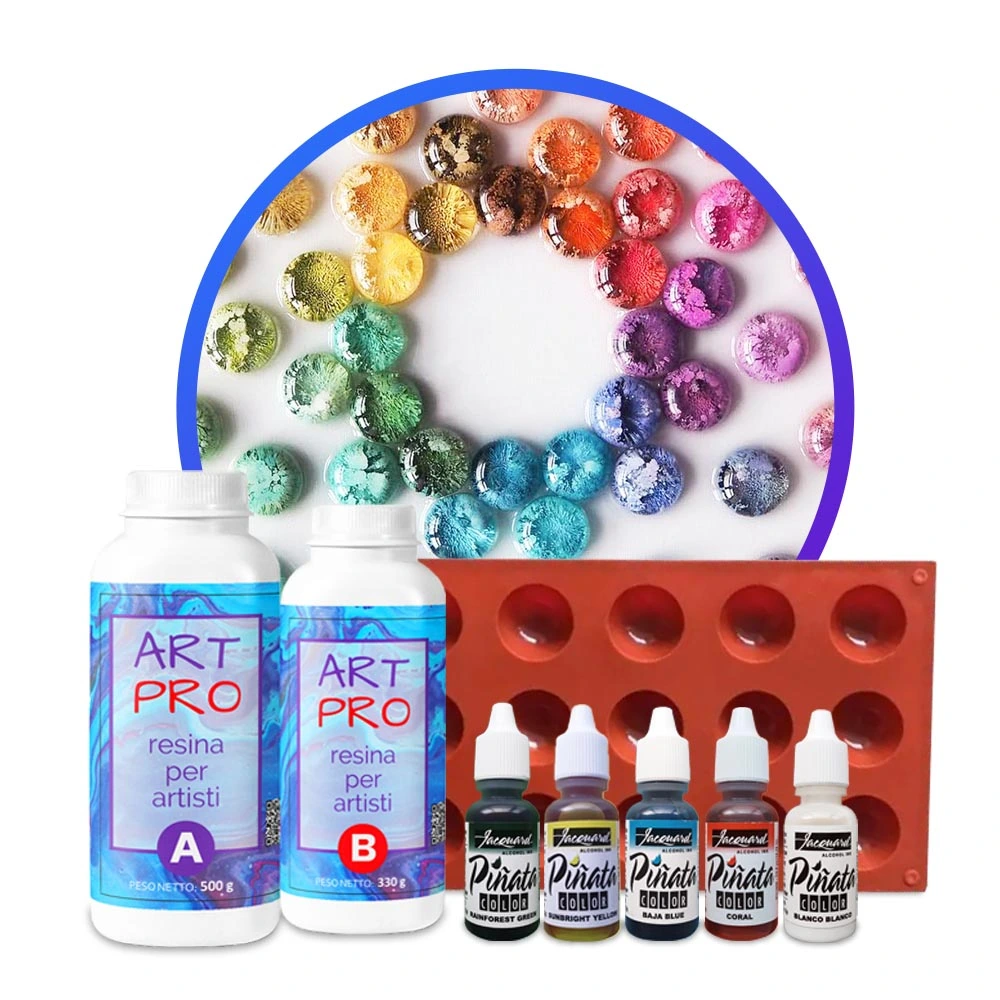

Looking to create dramatic, marbled, or cellular effects in your resin art? Diluting resin can unlock a whole range of special visual effects, including the popular Petri technique. Here’s how to experiment safely and effectively.
Why Dilute Resin for Effects?
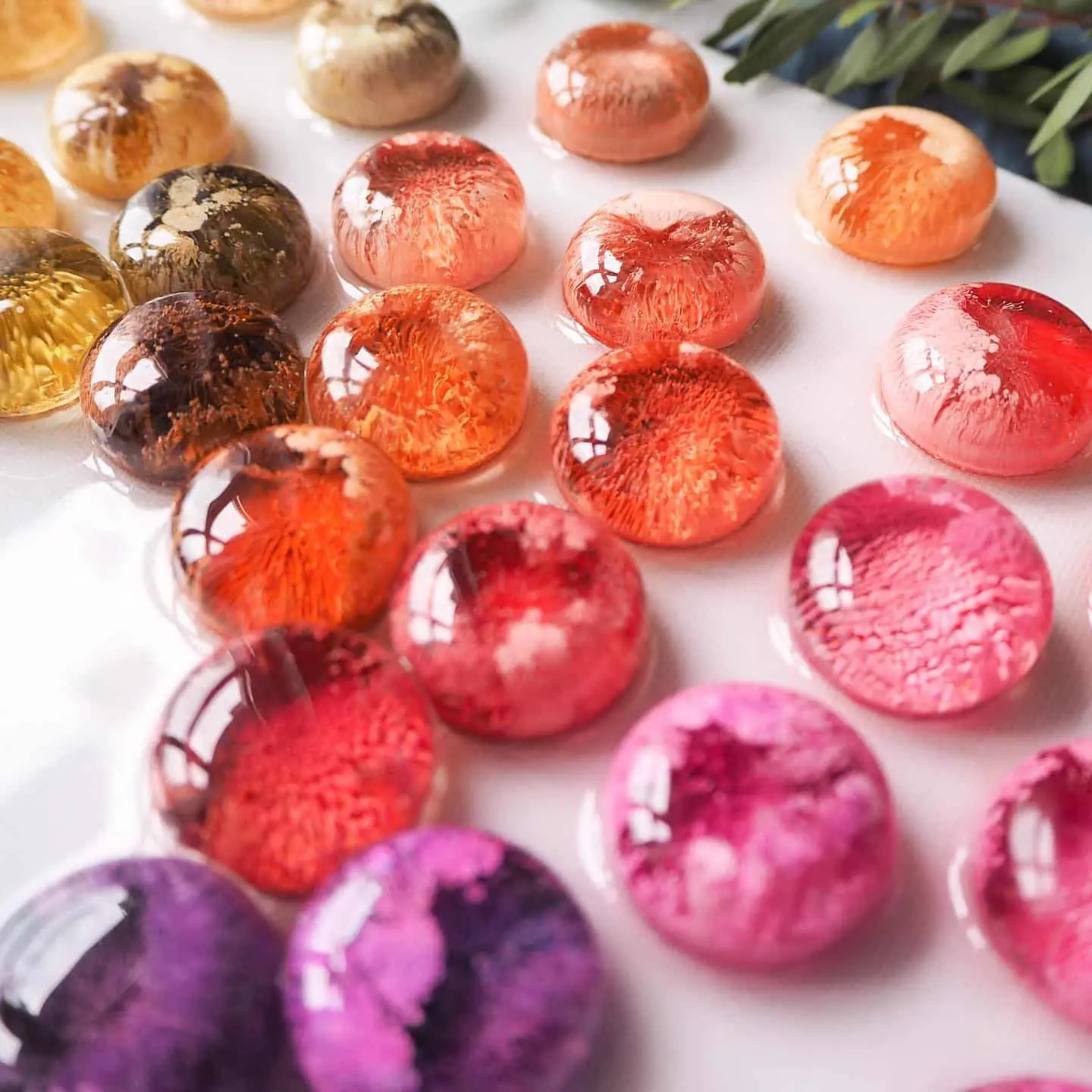
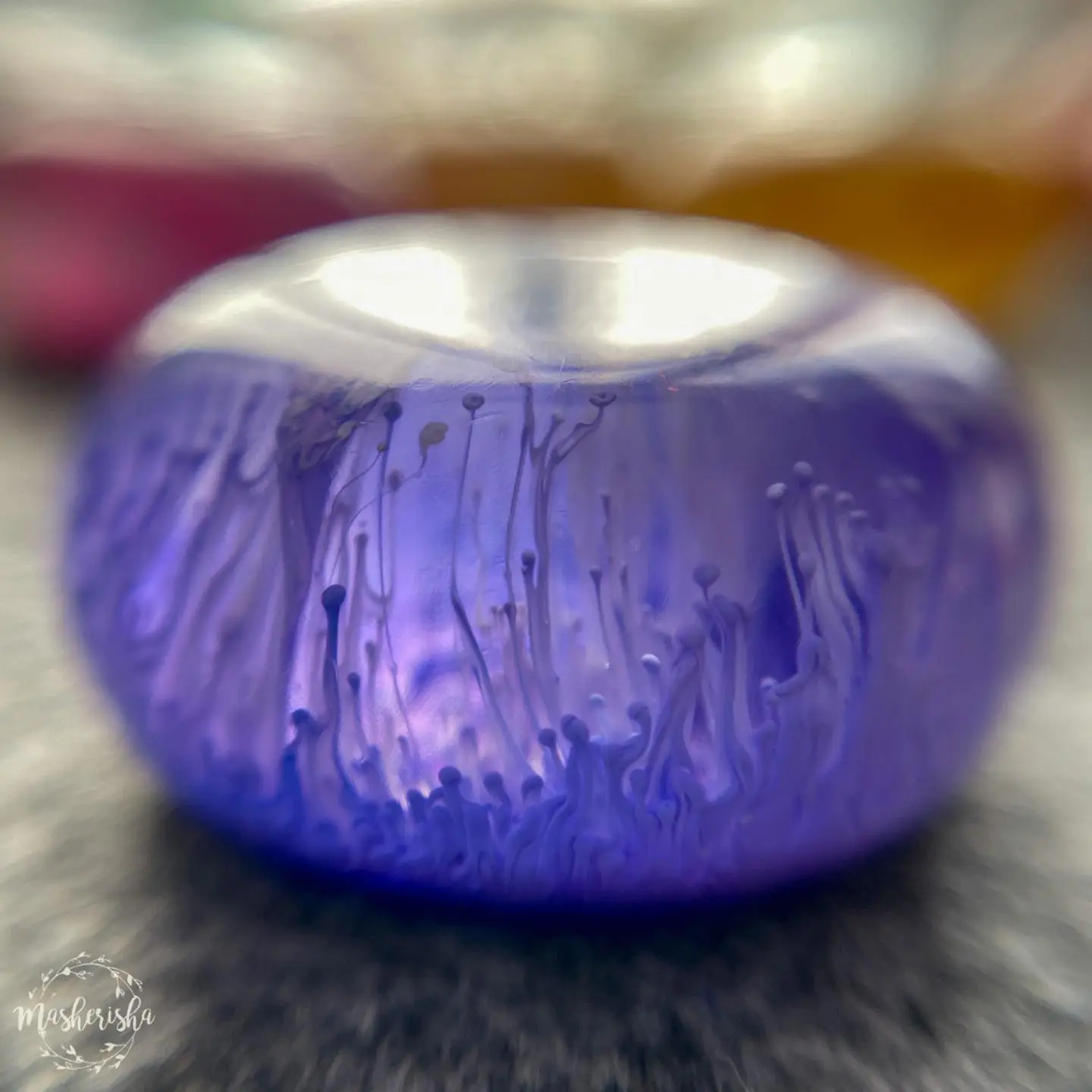
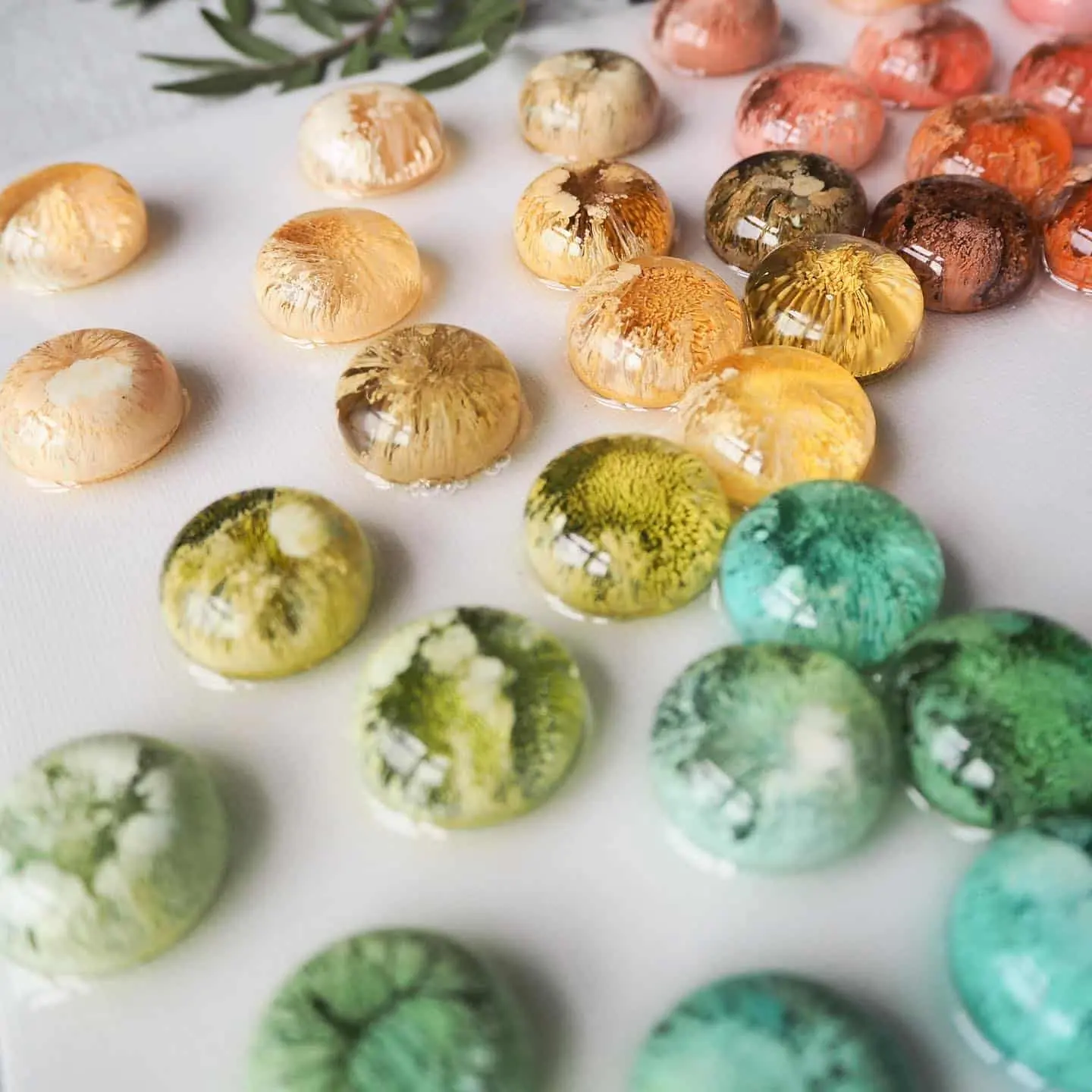
Diluting your resin or the colours you add enables a wider variety of textures and patterns. Alcohol-based solutions—like isopropyl alcohol—help create cells, wisps, and drifting patterns by disrupting the surface tension of curing resin. In techniques such as Petri resin art, diluting white ink with alcohol lets you achieve finer detail and controlled effects compared to using undiluted colour.
- Use isopropyl alcohol sparingly for subtle effects
- Try diluting alcohol inks separately for more intricate Petri designs
How to Safely Dilute and Apply
Always use high-purity isopropyl alcohol and keep your work area well ventilated. When blending for special effects, add small drops or a fine mist over the uncured resin or mix with inks before adding to your poured piece. For intricate effects, especially in jewellery or art, kits such as the Petri Resin Art Starter Kit provide all the essential materials plus guidance for beginners.
Never use isopropyl alcohol near open flames or active heat sources. Allow at least 5–10 minutes for any alcohol on the surface to evaporate before applying gentle heat for bubble removal.
When This Matters Most
Resin dilution makes the biggest impact when you’re aiming for artistic effects—like layered, cloudy finishes or the signature Petri dish appearance. It’s also helpful in eliminating surface bubbles and refining small details in jewellery pieces or decorative crafts.
Related products
Related guides
Whether you’re exploring resin art for the first time or refining your technique, experimenting with dilution is key to creative special effects. For a complete introduction to blending and handling liquid resin, see our main guide at How do you dilute liquid resin?