 Free shipping on orders over £29,85
  Shipping Tracking!


 Google
 Facebook
← Back to How much does a litre of resin weigh?


One of the most important questions for anyone starting with epoxy resin is whether to mix the components by weight or by volume. The right approach depends on the specific resin system you use and can affect your final results.
Understanding Resin Mixing Methods
Epoxy resin kits vary in how they are formulated. Some require precise measurement by weight, while others are mixed in equal parts by volume. For instance, most professional-grade resins ask for weighing the resin and hardener to achieve the correct chemical ratio, ensuring reliable curing and a durable finish. However, some craft resins, such as the One-2-One Epoxy Resin, follow a straightforward 1:1 mix by volume, making them accessible for beginners.
Tools for Accurate Resin Mixing
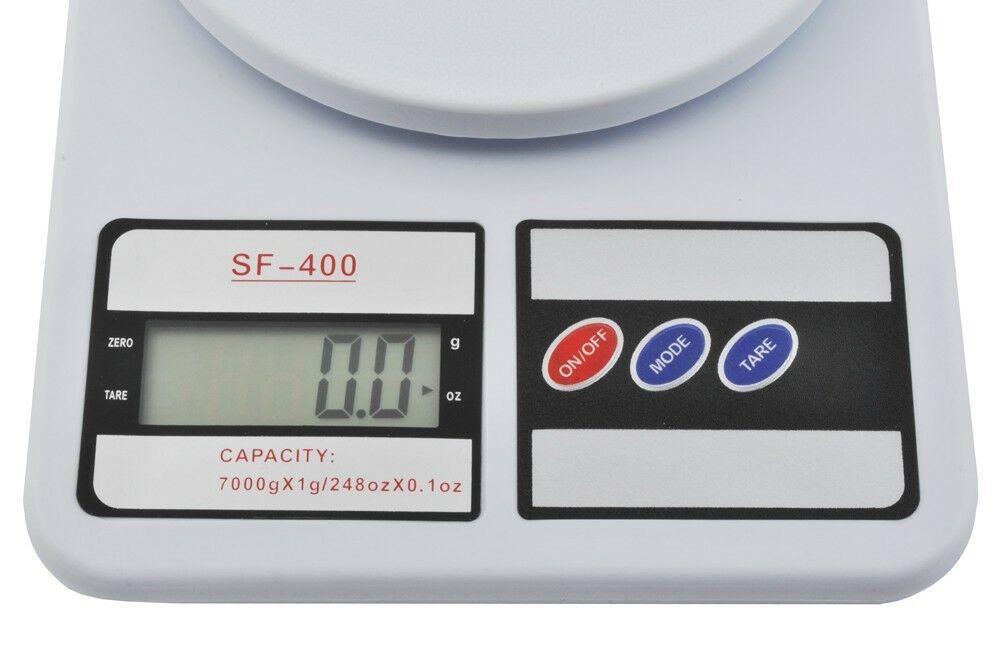
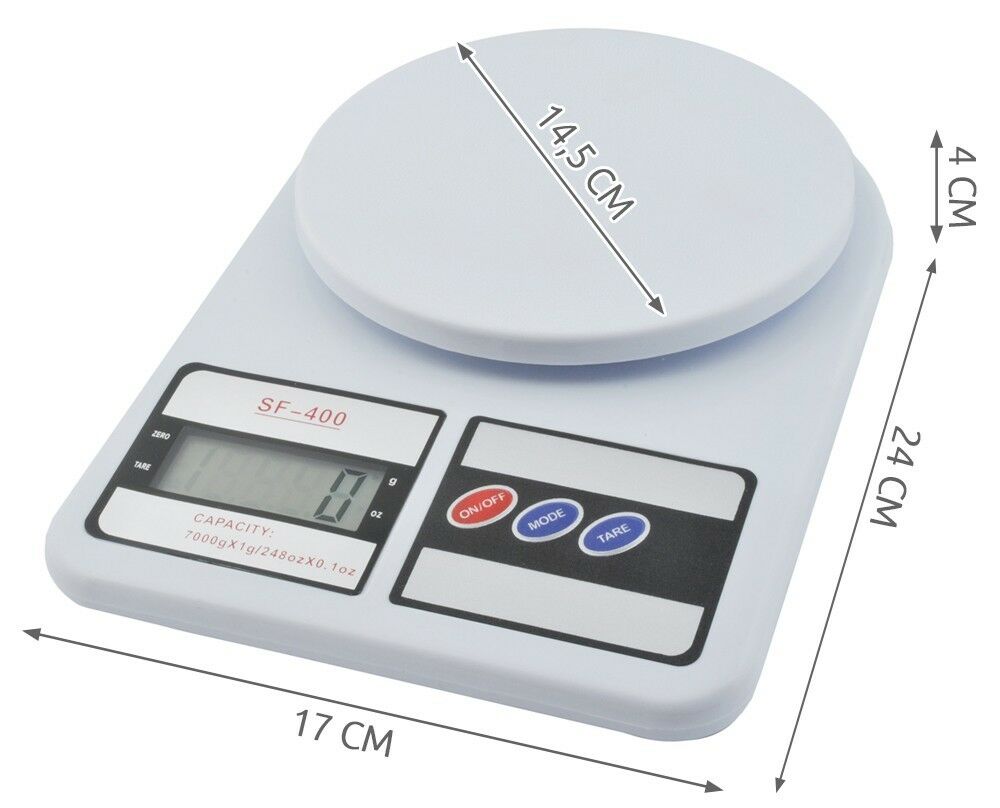
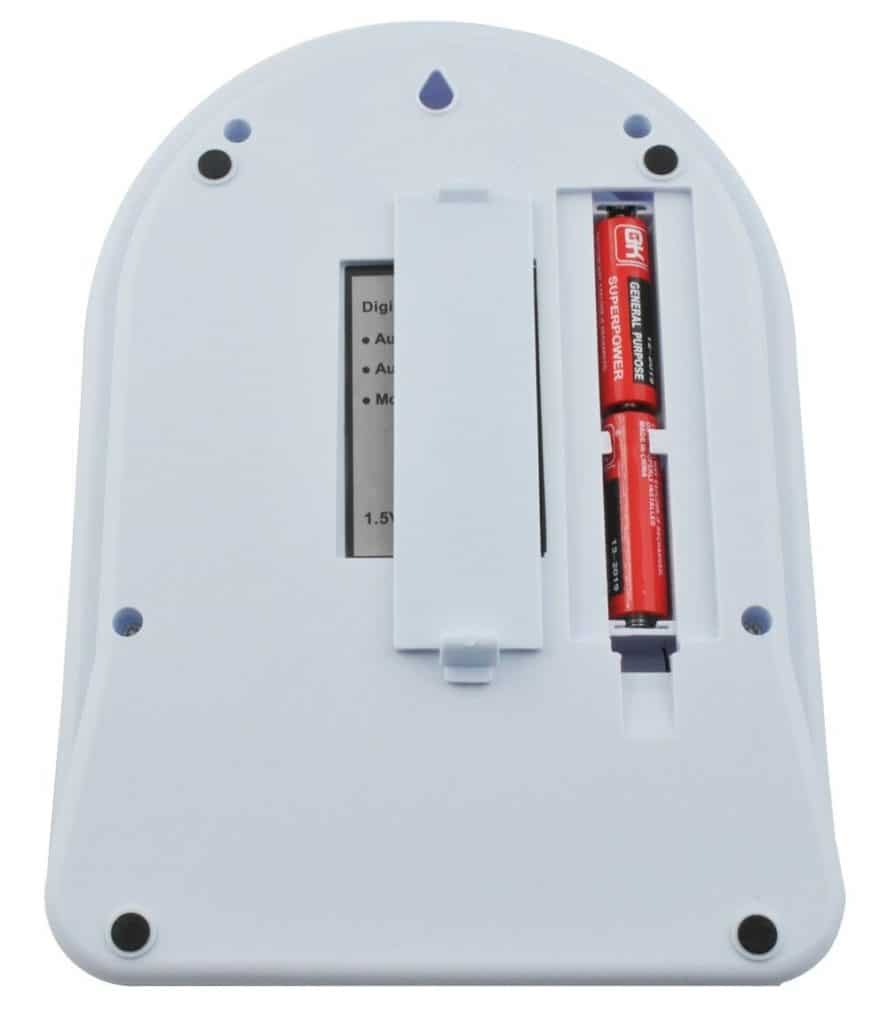
Using the right equipment is crucial. Digital scales like the Precision Digital Scales for Resin and Crafting are designed to weigh from 1g to 7kg, covering most resin projects. For resins mixed by volume, a measuring jug such as the 2L Graduated Measuring Cup is well-suited, with clear graduations to help you pour accurate amounts of resin and hardener. Always check your product’s instructions to see which method is required before you start.
When Mixing Method Matters
Getting the right resin and hardener ratio is vital for a strong, bubble-free cure. Mixing by weight ensures chemical accuracy when the two components have different densities, while volume-based systems are designed for simplicity. If your project calls for the highest clarity or surface hardness, such as in jewellery or professional coatings, precision is especially important.
Related products
Related guides
Whether you mix by weight or by volume, always refer to your resin’s specific instructions. Choosing the right measuring tools and method will help you achieve more reliable and professional results. For more advice on measuring or resin density, see our main guide on how much a litre of resin weighs.