 Free shipping on orders over £29,85
  Shipping Tracking!


 Google
 Facebook
← Back to How do you make a resin bust?
Wondering if you need a release agent for your resin bust project? The answer depends mainly on the mould material you choose and how you want your finished sculpture to turn out. The right approach makes demoulding hassle-free and preserves the detail of your cast.
Understanding Mould Materials and Release Agents
If your mould is made from 100% silicone, a release agent is usually not necessary. Silicone’s natural non-stick qualities often allow the cured resin to release smoothly, leaving your bust intact and detailed. However, for any other mould material—such as plastic, latex, or handmade alternatives—a release agent is strongly advised. Otherwise, your sculpture may bond to the mould or be difficult to remove, leading to possible sticking or tearing.
Practical Advice for Bust Makers
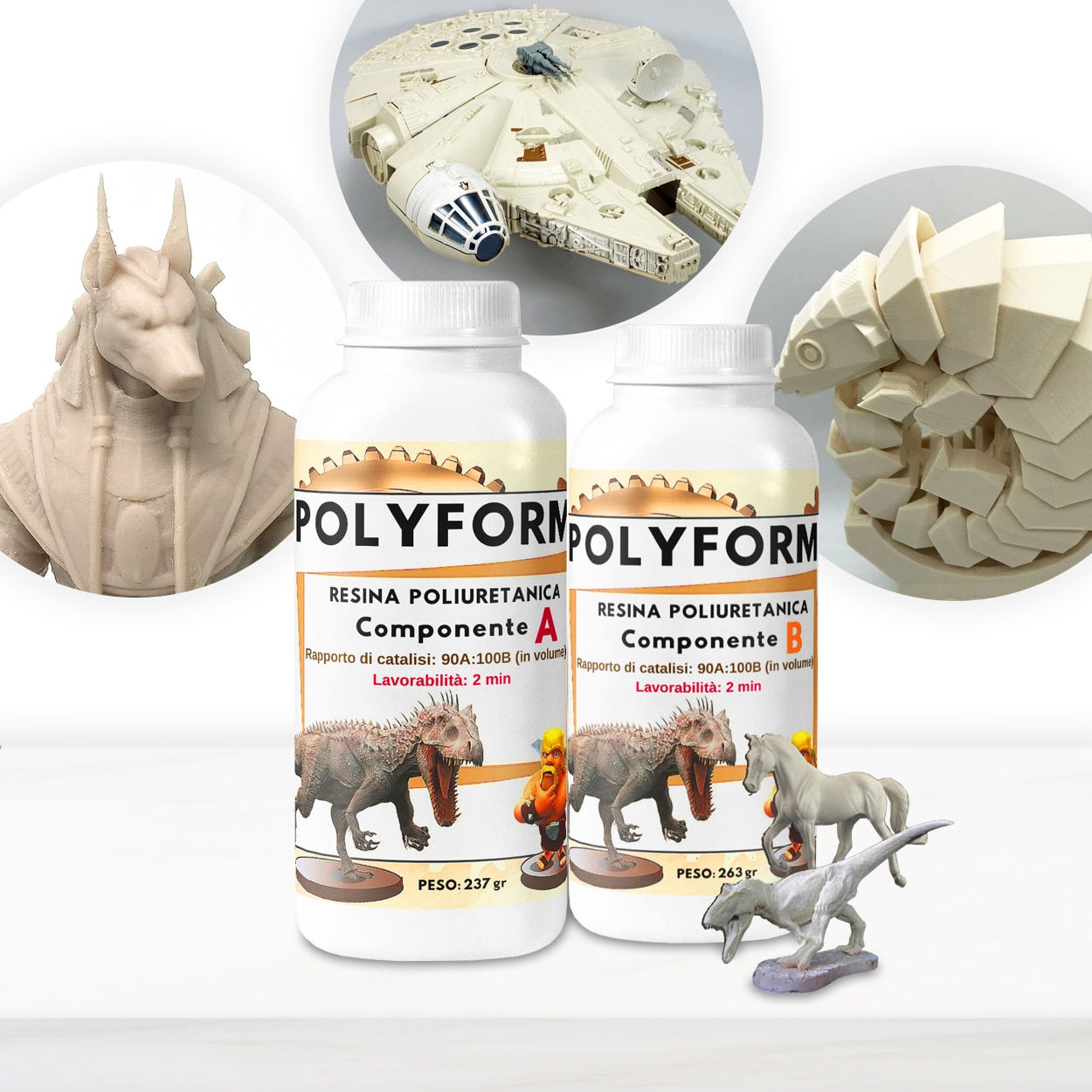
For the best results, always check the type of mould you’re using and apply a release agent whenever in doubt. This is even more important for larger or complex resin busts. Fast-curing resins like Polyform Polyurethane Casting Resin are popular due to their excellent detail and quick demould times, so ensuring easy separation from the mould is essential to avoid surface imperfections and breakage. Remember to use release agents designed specifically for resin work for the cleanest finish.
When This Matters Most
- If pouring deep or thick castings (such as with products like “Epoxytable 10-Ten” for large sculptures), the pressure on the mould increases. Using a release agent can make demoulding more reliable and reduce stress on both your mould and finished piece.
- Trying out new mould materials or making your own? Always test with a release agent first for safety.
Related products
Related guides
Choosing whether to use a release agent can make all the difference in the success of your resin bust or sculpture. For more detailed step-by-step guidance on planning and casting a resin bust, see our complete guide on how to make a resin bust.