 Free shipping on orders over £29,85
  Shipping Tracking!


 Google
 Facebook
← Back to how to make a mould for a resin bracelet
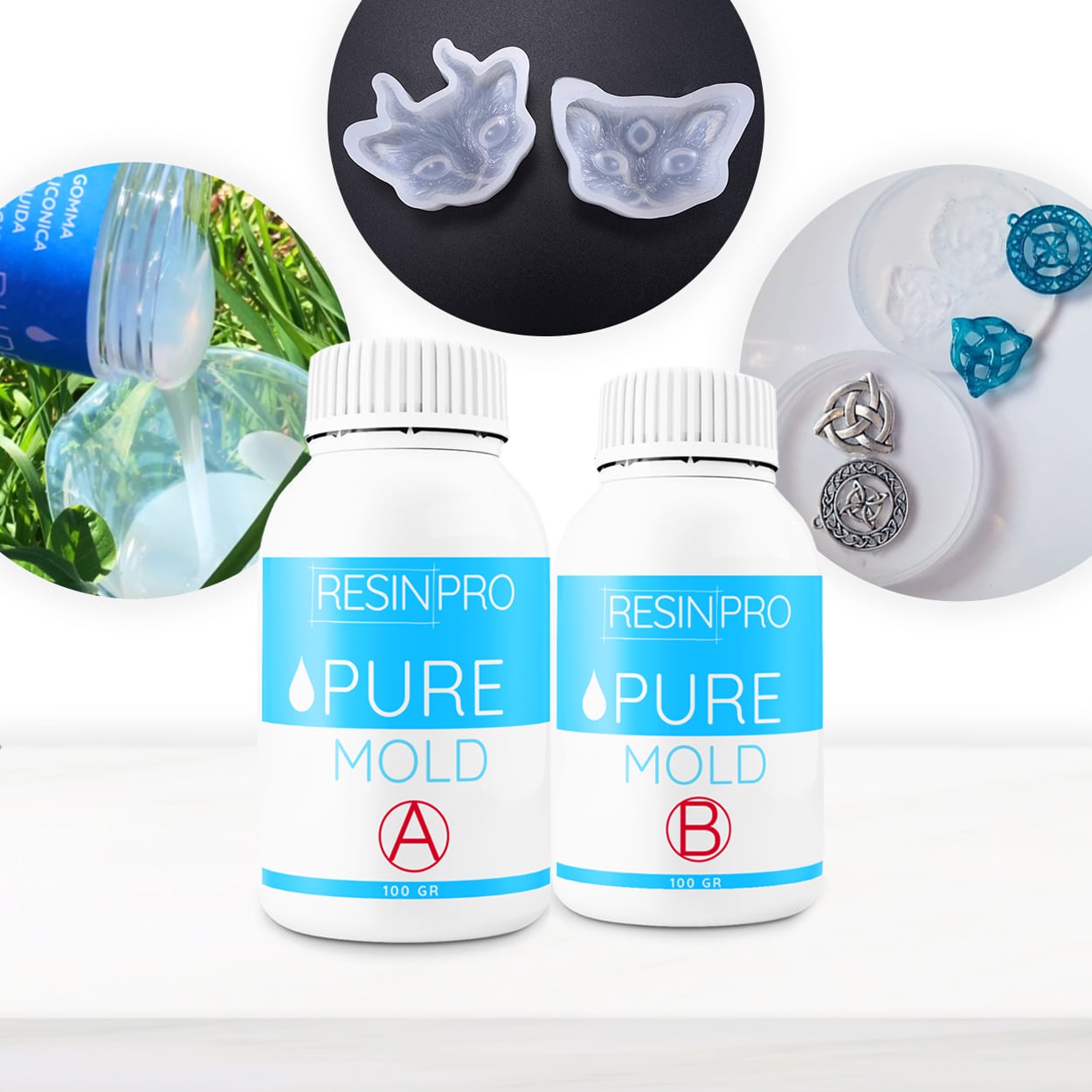
If you’re making a resin bracelet using a silicone mould, it’s worth considering whether to use a release agent. Even though many mould silicones are non-stick, a release agent can make the process easier and help preserve intricate details.
Why Use a Release Agent?
Platinum-based silicone rubbers, such as “Pure Mould” silicone, are naturally resistant to sticking. However, applying a light coating of release agent can greatly assist when removing complex or finely detailed bracelets, helping to prevent any accidental tears or stretching—especially if your mould includes delicate features or undercuts.
Choosing and Applying a Release Agent
There are several suitable release agents for use with silicone moulds and resin. Opt for a product designed for resin casting to avoid any compatibility issues. A gentle spray or wipe along the mould’s surface, applied sparingly, is usually enough—too much can obscure fine details. Make sure to allow the release agent to dry thoroughly before pouring your resin.
When Is a Release Agent Especially Helpful?
- When producing multiple bracelets from the same mould, as it helps to prolong the mould’s lifespan.
- If your finished bracelet design has lots of fine engraving or intricate shapes that may otherwise catch when demoulding.
- For newer moulds, release agent can assist early on as the silicone settles.
Related products
Related guides
While the need for a release agent varies depending on your mould and design, it can make demoulding smoother and protect your investment. For more guidance on mould making, see our main article on how to make a mould for a resin bracelet.