 Free shipping on orders over £29,85
  Shipping Tracking!


 Google
 Facebook
← Back to How to raise a resin tank?


When raising a resin tank for artistic or functional projects, using the right moulds or formwork is essential for achieving a clean, safe, and professional result. Choosing and preparing your formwork can dramatically influence the quality of your resin casting.
Choosing and Sealing Formwork
Specialist moulds are not strictly required, but your formwork should be robust, well-sealed, and non-porous to prevent leaks and warping from the resin’s weight. Many makers use durable materials like melamine-coated boards or plywood for larger projects. Ensure that all seams are tightly sealed—using a quality silicone paste, such as the one included in the River-Table complete kit, helps prevent unwanted seepage and simplifies demoulding.
- Seal every joint and potential gap thoroughly with silicone rubber or an equivalent sealant.
- Apply a release film to the mold base and inner sides for a smooth finish and easier removal.
- Check that your formwork can withstand the weight and pressure if you’re pouring deep layers.
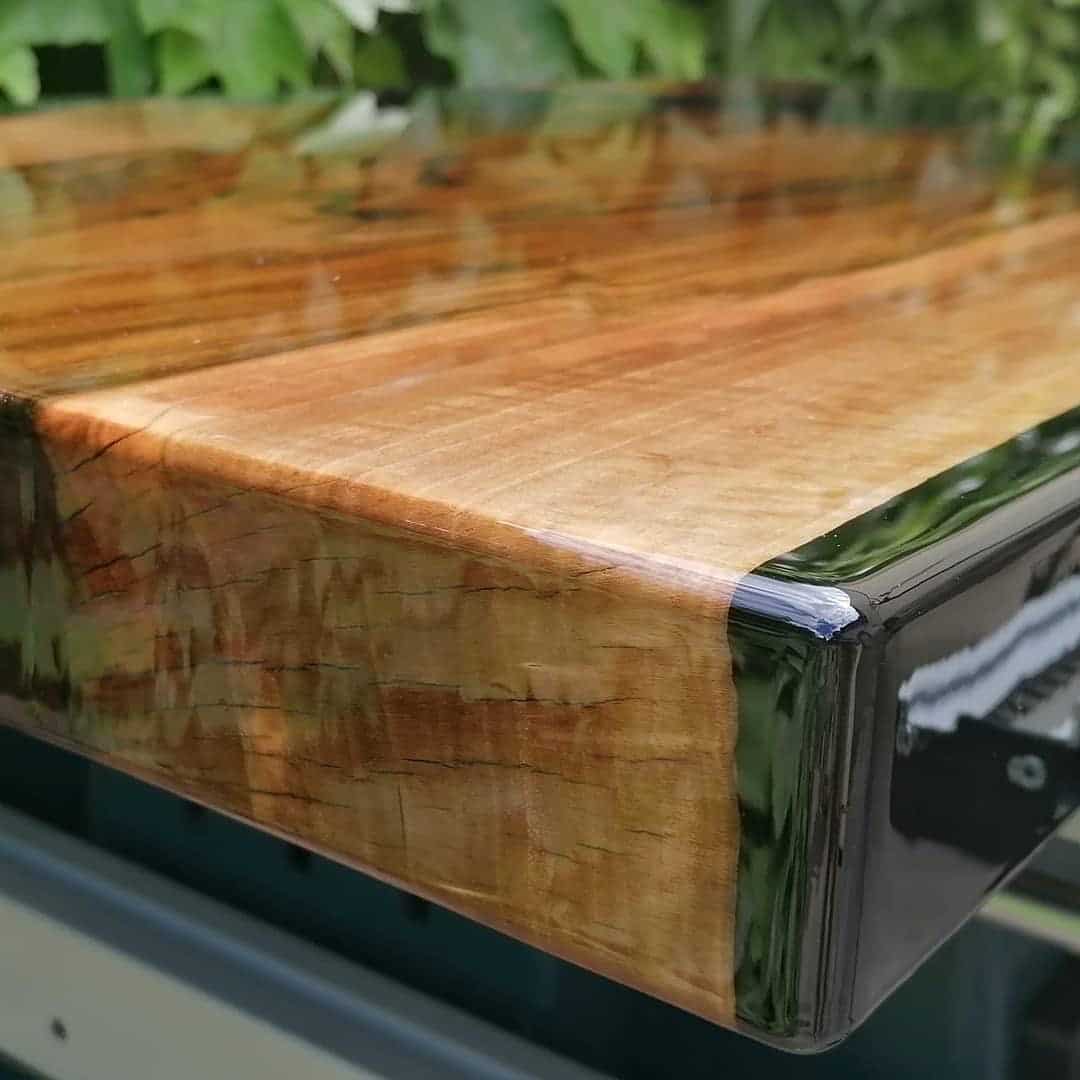

Why Release Film and Silicone Matter
Release film (or release tape) prevents your cured resin from sticking to the formwork, reducing the risk of damage when removing the finished tank. It is especially important for intricate or larger pieces. Silicone sealant blocks resin from escaping through seams, keeping your project tidy and minimising wastage.
When Special Formwork Is Needed
If your project involves unusually shaped tanks, fine detail, or significant height, custom or purpose-made moulds might be required. Intricate or professional applications can benefit from reusable silicone moulds, but for most standard resin tank raising, solid home-built formwork—when properly prepared—is more than sufficient.

Related products
Related guides
Selecting the right formwork and preparation method underpins any successful resin tank-raising project. For more step-by-step tips and resin selection, visit our main guide: How to raise a resin tank?