 Free shipping on orders over £29,85
  Shipping Tracking!


 Google
 Facebook
← Back to how to make resin tables
If you’re planning to make a resin table, one of the most common questions is whether a special mould is needed. Proper formwork is crucial for a leak-free pour and a smooth finish, so choosing the right material and approach matters from the start.
Why Your Mould Choice Matters
Having a suitable mould keeps the resin contained during the pouring and curing process, helping to prevent leaks, warping and rough edges. While there isn’t a universal ‘special’ mould sold just for resin tables, constructing your own from materials like melamine-coated chipboard or HDPE sheets is a preferred approach among makers. Both surfaces resist resin sticking and provide an even, glossy finish along the table edges after demoulding.
Practical Tips for Building Resin Table Moulds
- Melamine board: Widely available and budget-friendly, melamine’s coated surface prevents most epoxies from adhering tightly, making demoulding much easier.
- HDPE (High-Density Polyethylene): This material is even less likely to bond with resin, resulting in very clean edges, though it may be harder to source.
- Sealing: Use silicone paste or sealant in all joints and corners to prevent leaks.
- Release film or tape: Covering mould surfaces with specialised film or wide tape can add further release ease and protect against drips.
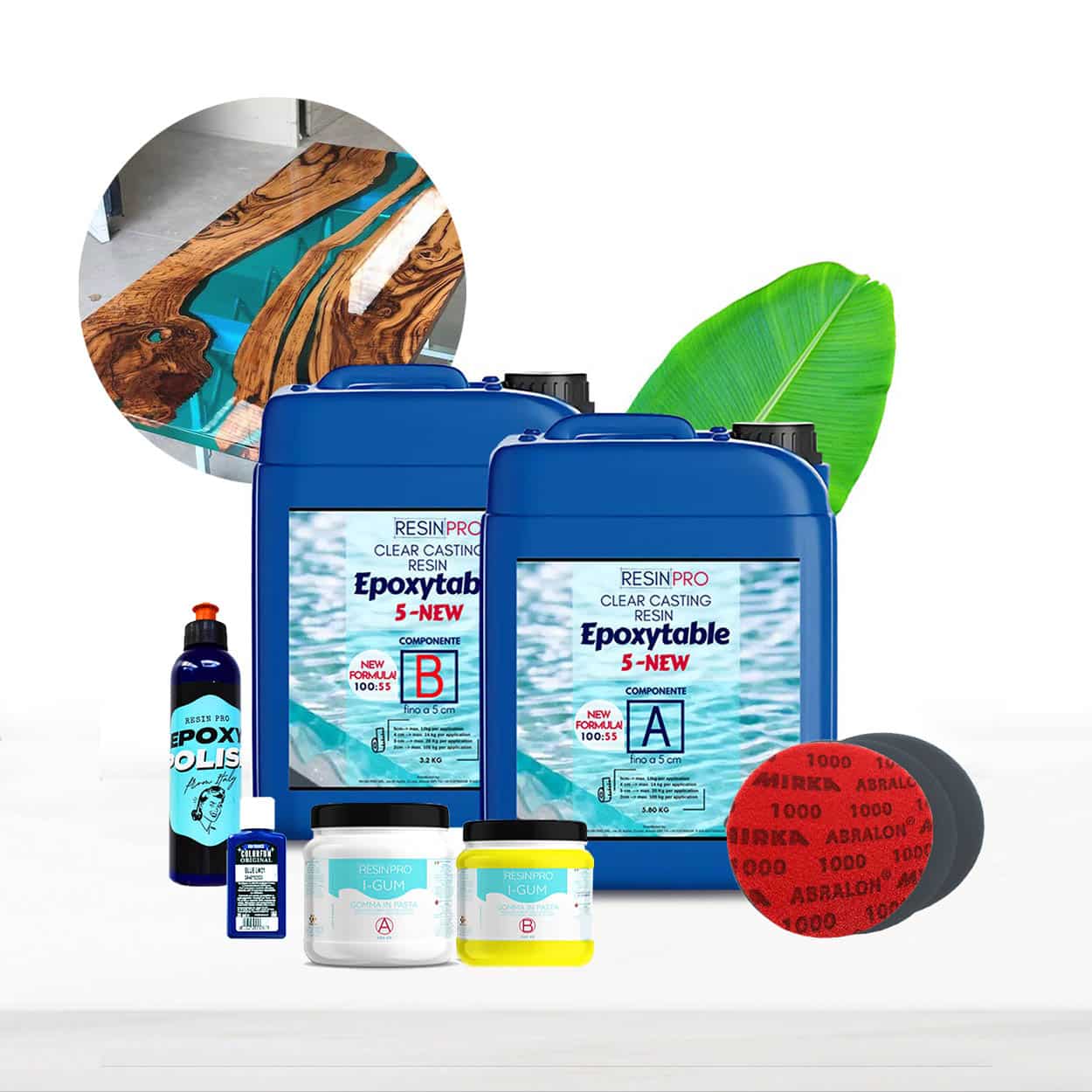
For step-by-step guidance, the “River-Table” complete kit provides instructions on building and sealing your own table formwork.
When This Matters Most
If you’re aiming for a clear, modern finish or working with deep-pour resins, mould material and sealing are especially important. Proper preparation prevents costly spills and ensures your resin table emerges with crisp, professional-quality edges.
Related products
Related guides
Your choice of mould is an essential early step in crafting a resin table. Thoughtful construction helps guarantee a smooth and satisfying project. For a full guide to each stage, visit our how to make resin tables hub.