 Free shipping on orders over £29,85
  Shipping Tracking!


 Google
 Facebook
how to make resin tables
Crafting a resin table, such as a classic river table, combines woodworking techniques with the art of resin casting to create a striking, modern centrepiece. Whether you are a complete beginner or a seasoned maker, following a systematic approach ensures beautiful, bubble-free results with a long-lasting finish. This guide covers each critical step, from preparing timber and moulds to mixing, pouring, and finishing your resin table project.
Your step-by-step guide to building unique resin tables
What You’ll Need
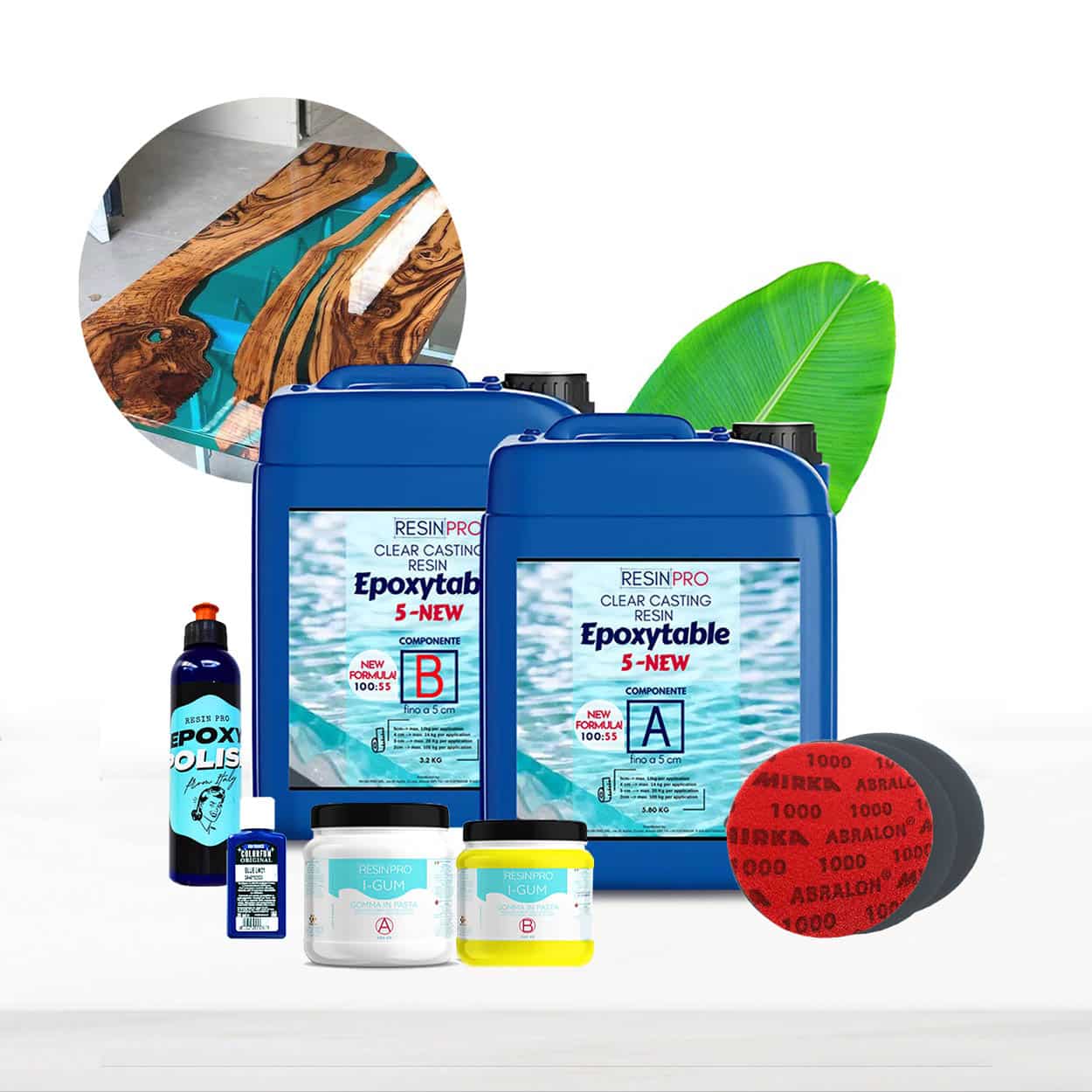
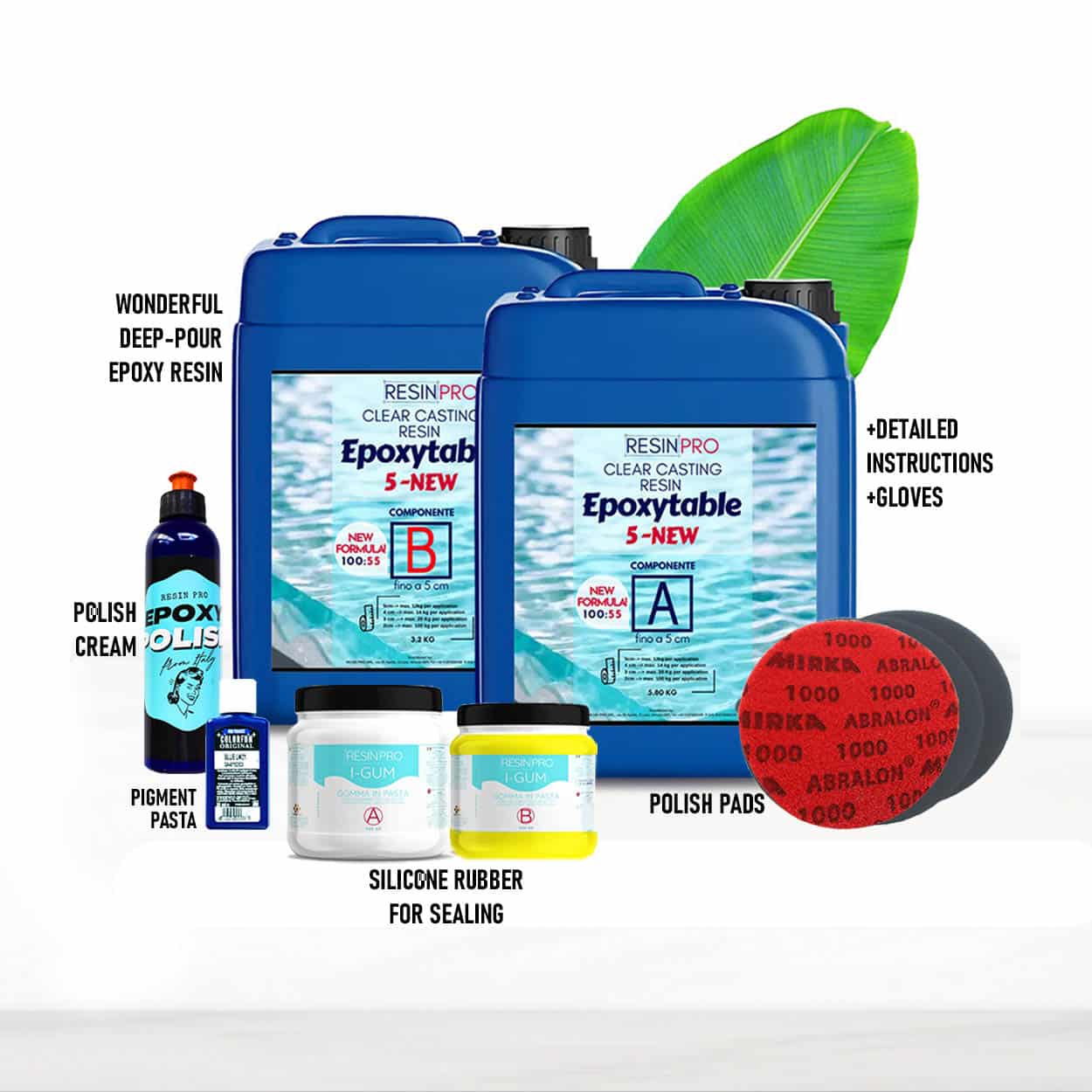
- “River-Table” – Complete Kit for Creating Your First Epoxy Resin Table: Everything for beginners, including resin, hardener, pigments, sealant, polishing kit, and instructions.
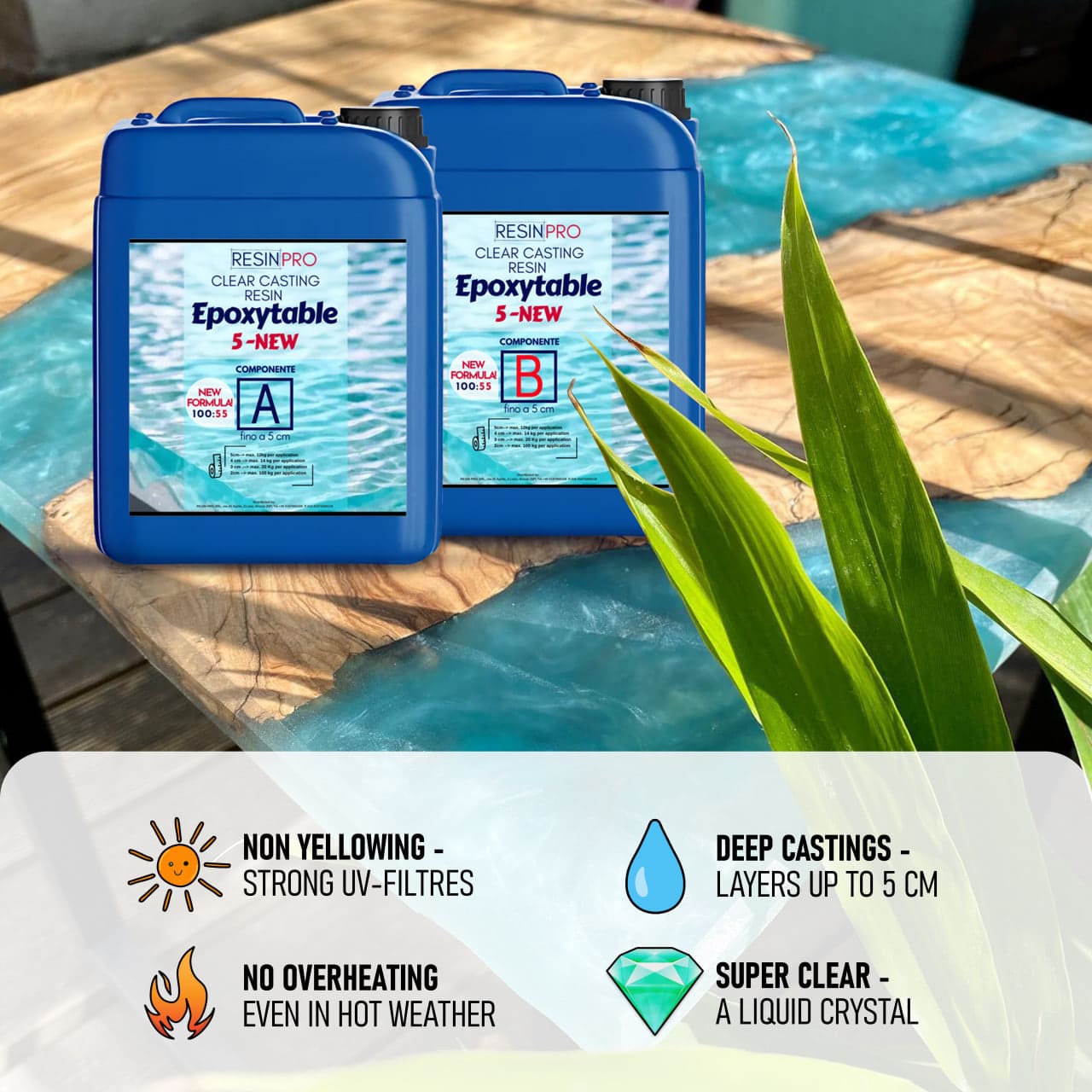
- “EpoxyTable 5-Five” – Deep Pour Epoxy Resin for Tables and Large Projects – Up to 5cm: For deeper river table pours up to 5cm.
- “Epoxytable 10-Ten” – Deep Pour Epoxy Resin for Tables, Up to 10cm Casting: Essential when casting thick slabs or large projects.
- “Geode O” – Table Base for Epoxy Resin Art – Wood Support for Resin Projects: Provides a sturdy and level foundation for your resin art table projects.
- Solid timber pieces (live edge wood planks often used for river tables)
- Melamine or HDPE panels for formwork / moulds
- Clamps, mixing containers, stick or paddle, painter’s tape, release agent
- Sanding pads, polishing compound, respirator or protective mask

Essential Setup for Resin Table Making
Organising your workspace and tools in advance ensures smooth resin pours and high-quality results. Use a sturdy table, dust covers, and keep your mixing area separate from where the table will cure. Prepare all safety equipment and measure your workspace for both comfort and precision.
Step 1: Prepare the Wood and Create the Mould
Start by selecting your desired wooden slabs, typically using live edge planks for a natural river effect. Plane, sand, and dry the timber thoroughly—moisture content should be below 12% to prevent later warping or resin cloudiness. Arrange your wood within a flat, dust-free workspace, marking your intended layout.
Construct a formwork or mould using melamine or HDPE panels, sized slightly larger than your final table dimensions. Ensure all seams are tightly fitted—apply a release agent or protection film for easy demoulding. Clamp the wood pieces firmly within the mould and seal the edges with silicone or painter’s tape to avoid resin leaks.
Seal formwork edges thoroughly to prevent leaks. Take your time aligning everything so your finished table comes out even and smooth.
Step 2: Mix and Pour the Resin
Choose your epoxy resin based on the intended pour thickness. For river channels up to 2cm, a standard casting resin or the “River-Table” – Complete Kit for Creating Your First Epoxy Resin Table is ideal. If you require deeper pours, use “EpoxyTable 5-Five” – Deep Pour Epoxy Resin for Tables and Large Projects – Up to 5cm. For projects demanding very thick slabs or large volumes, especially those over 5cm, “Epoxytable 10-Ten” – Deep Pour Epoxy Resin for Tables, Up to 10cm Casting is recommended.
Measure and mix the resin and hardener as per the product instructions. Stir slowly to reduce bubble formation. Add colour pigments at this stage if your project includes a coloured or metallic resin river. Once mixed, slowly pour the resin into the mould, allowing it to self-level. Pour in layers if required, never exceeding the maximum recommended thickness per pour for your chosen resin.
Allow each resin layer to fully cure before pouring the next. This reduces the risk of overheating, yellowing, or distortion in thick projects.
Step 3: Curing, Demoulding and Sanding
Let your resin cure in a level, dust-free, and temperate environment away from direct sunlight. Curing times vary by resin type and layer thickness—typically from 24 to 72 hours per layer. Avoid moving or disturbing the piece during this time.
Once fully cured, gently demould the table using a plastic wedge or spatula as needed. Inspect all surfaces. Begin sanding with coarse grit and work towards finer grits for a smooth, even finish.
Sand between layers for maximum adhesion and clarity. Proper sanding also removes any sharp edges or surface glaze from the mould.

Step 4: Finish and Polish Your Table
After sanding, use progressively finer pads or polishing compounds to buff the resin until a glass-like gloss is achieved. Remove all sanding dust. For those using the “River-Table” – Complete Kit for Creating Your First Epoxy Resin Table, take advantage of the included polishing kit for best results. Mount your tabletop securely onto a sturdy base, such as the “Geode O” – Table Base for Epoxy Resin Art – Wood Support for Resin Projects for lasting support and presentation.
Inspect the finished table under natural and artificial light, checking for clarity and smoothness. If more shine is desired, repeat the polishing process until satisfied.
Tips and Troubleshooting
Always wear gloves and work in a well-ventilated area. This protects you from fumes and accidental skin contact. Keep the workspace clean and control dust, as airborne particles can settle in uncured resin.
If bubbles appear during curing, pass a heat gun or torch lightly across the surface to release trapped air—avoid holding too close to prevent burning. Measure resin components accurately and allow plenty of curing time. For thick pours, patience is crucial: pouring too quickly or in excess can cause overheating, cracks, or visible lines between layers.
Regularly check mould seals and monitor pour temperature. Practice on small test projects if you’re new to resin or using a new brand or type. This reduces the chance of mistakes on your main table top.
Creative Variations in Resin Table Projects
Experiment with metallic pigments, embedded objects, and timber species to make your resin table truly unique. Try contrasting colours, live-edge planks, or even layered pours to create river effects or natural scenes. Each project offers an opportunity to develop your craftsmanship and artistic voice.

- "River-Table" – Complete Kit for Creating Your First Epoxy Resin TablePrice range: £188.85 through £444.85This kit offers all materials and instructions needed to create wood and resin tables, suitable for beginners under the how to make resin tables…
- "EpoxyTable 5-Five" – Deep Pour Epoxy Resin for Tables and Large Projects – Up to 5cmPrice range: £16.85 through £1,099.85EpoxyTable 5-Five is designed for deep pouring up to 5cm, suitable for tables and large projects with a clear, scratch-resistant surface.
 “Epoxytable 10-Ten” – Deep Pour Epoxy Resin for Tables, Up to 10cm CastingPrice range: £33.85 through £334.85Epoxy resin designed for deep pour table projects up to 10cm, with strong UV protection and low viscosity for bubble-free results.
 "Geode O" – Table Base for Epoxy Resin Art – Wood Support for Resin ProjectsPrice range: £17.15 through £22.15"Geode O" table base provides sturdy wooden support for various epoxy resin art techniques related to resin tables.
Frequently Asked Questions
How thick can I pour epoxy resin for a table?
Use a deep-pour resin such as EpoxyTable 5-Five for layers up to 5cm or Epoxytable 10-Ten for up to 10cm. For extra-thick slabs, always pour in layers.
What type of wood is best for resin tables?
Seasoned hardwoods with live edges, such as walnut, oak, and elm, are commonly used. Ensure the timber is dry and stable before use.
How do I prevent bubbles in resin table pours?
Mix slowly to minimise bubbles, use a heat gun after pouring, and always seal wood surfaces to avoid trapped air escaping.
How long does it take for a resin table to cure?
Cure times range from 24 to 72 hours per layer depending on resin type, layer thickness and ambient temperature.
Is it possible for beginners to make resin tables?
Yes, complete beginner kits are available and detailed instructions help newcomers achieve excellent results.
Do I need to build a special mould for making resin tables?
Constructing a mould from melamine or HDPE ensures a leak-free, easy demould and a smooth finish on your table edges.
Can I add colour pigments or objects into my resin table?
Yes, add epoxy-safe pigments or embed decorative items before pouring. Always test colours before your main project.
How do I finish and polish my resin table for best shine?
Use fine sanding pads then a polishing compound for a glossy effect. Work patiently and follow the grain for optimal shine.