 Free shipping on orders over £29,85
  Shipping Tracking!


 Google
 Facebook
← Back to How to make a table with resin
Creating a resin table requires careful mould preparation, and sealing your table mould is one step you cannot afford to overlook. Let’s explore exactly why a dedicated sealant is important and how to get the best results.
Why Sealant Matters When Casting Resin
Epoxy resin has a tendency to seep through even the tiniest gaps in your table mould, which can lead to unwanted leaks and a messy curing process. Applying a specifically chosen mould sealant, such as a silicone-based product or a specialist release tape, is a tried and tested way of ensuring your mould is watertight and easily removed once the resin has set. This simple step makes all the difference in protecting your workspace and achieving neat, professional results.
Choosing and Applying Your Mould Sealant
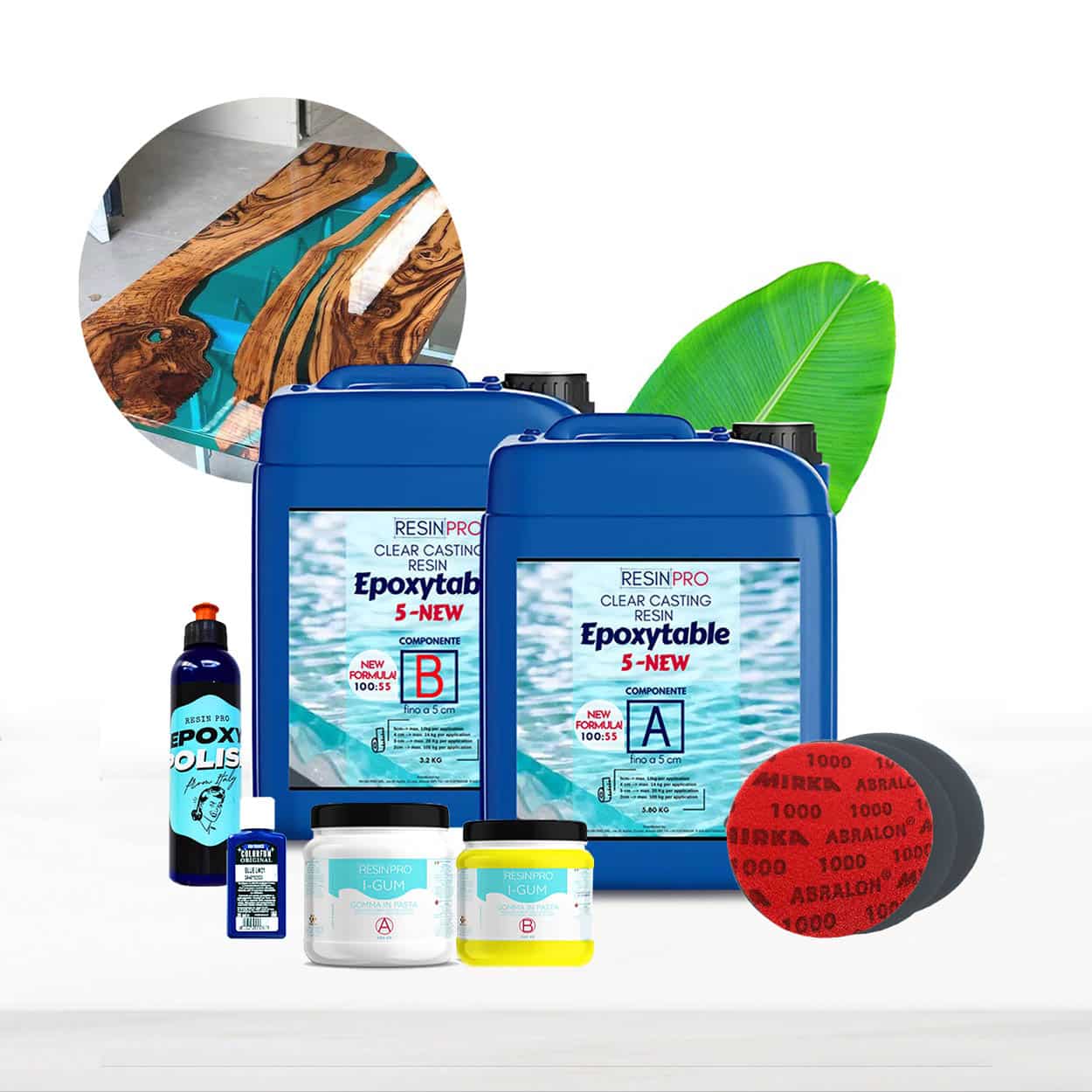
When preparing your mould, opt for a silicone sealant or an adhesive release film specifically designed for resin work. These options provide both a firm seal and a non-stick surface for demoulding. Carefully apply the sealant along all joins and seams, fully covering any potential gaps before your resin pour. If you’re also looking for convenience, kits such as the “River-Table” – Complete Kit for Creating Your First Epoxy Resin Table include silicone paste and a release film, taking the guesswork out of gathering these supplies.
When Is a Special Sealant Especially Important?
- Projects requiring deep pours or large volumes of resin
- If your mould is made up of several joined sections or panels
- When working with MDF or timber bases, as wood can expand or contract and form micro-gaps
Inconsistent sealing often leads to leaks or awkward demoulding, so don’t underestimate this step if you want a stress-free experience.
Related products
Related guides
Sealing your table mould properly is a key aspect of any resin table project. For even more guidance on preparing and finishing your resin tables, see the full How to make a table with resin guide.