 Free shipping on orders over £29,85
  Shipping Tracking!


 Google
 Facebook
← Back to What are the steps for applying epoxy resin?
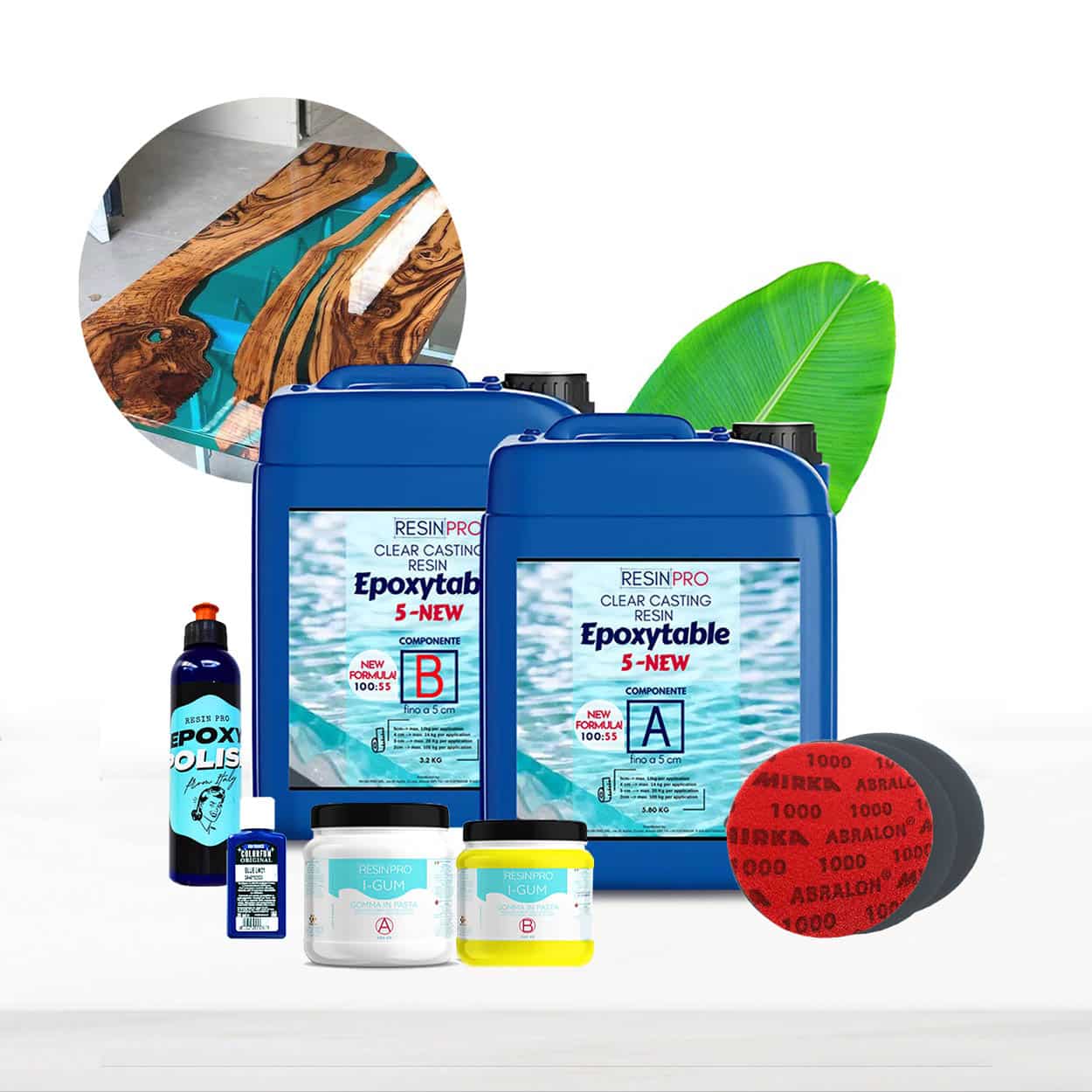
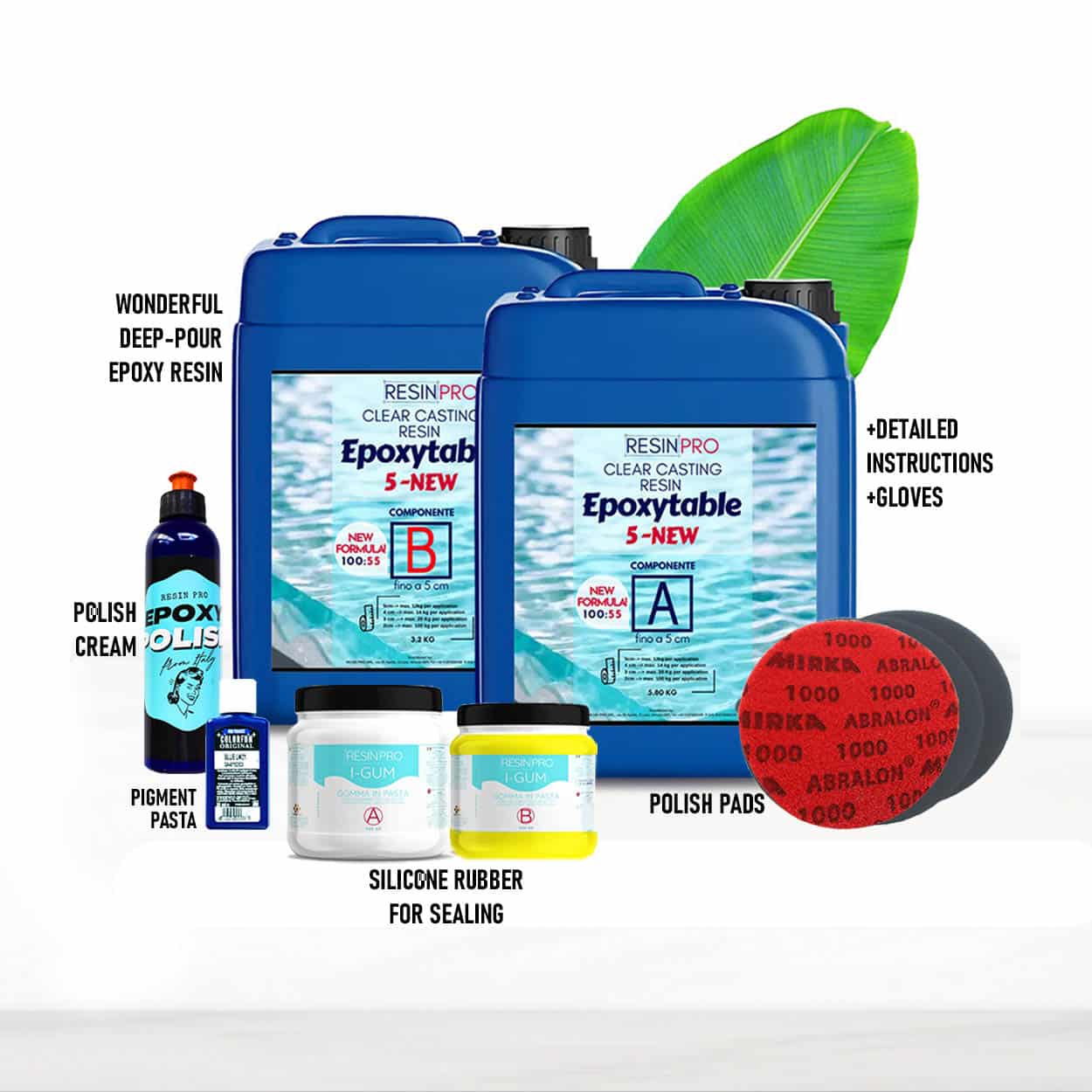
Before starting your epoxy resin project, it’s important to know which tools and protective gear will ensure both safety and a quality finish. Proper preparation helps prevent common mistakes and creates a more enjoyable, efficient workflow.
Essential Protective Equipment
Resin work involves chemicals that require careful handling. Always wear nitrile gloves to protect your skin from contact with resin or hardener. Safety glasses are another must, as they shield your eyes from splashes during mixing or pouring. Adequate ventilation is also crucial; if you are working in a space with limited airflow, consider a respirator suitable for organic vapour to help reduce inhalation of fumes.


Tools for Accurate and Clean Results
Using the right tools makes a difference in both safety and the final appearance of your project. Accurate weighing scales are vital for correct resin-to-hardener ratios, which ensure proper curing. Consider silicon spatulas or mixing sticks for blending components thoroughly and evenly. Protective coverings—such as plastic sheeting or disposable tablecloths—help keep your workspace tidy and prevent spills from damaging surfaces.
If you’d like a hassle-free start, the “River-Table” Complete Kit includes many of these essentials along with materials, pigments, and step-by-step instructions.
When Having the Right Gear Matters Most
- Mixing large resin batches or deep pour projects
- Working in confined indoor spaces
- Projects with complex shapes or intricate pours where accuracy and spill protection are key
Related products
Related guides
Choosing the appropriate tools and protective equipment sets you up for a smooth, safe crafting experience and supports best practice in epoxy resin applications. For a full overview of the process, explore our main guide on epoxy resin application steps.