 Free shipping on orders over £29,85
  Shipping Tracking!


 Google
 Facebook
What are the steps for applying epoxy resin?
A simple, safe approach for lasting, professional results
Applying epoxy resin can transform wood, artwork, or decorative objects into resilient masterpieces. Whether you’re aiming for a crystal-clear river table, a glossy finish on art, or bold castings, mastering each application step ensures professional, lasting outcomes. This guide walks you through each phase, so even first-time users can approach resin work confidently and safely.
Thorough planning and preparation are essential for the best possible finish. Each stage requires care, from preparing your workspace to final polishing.
What You’ll Need
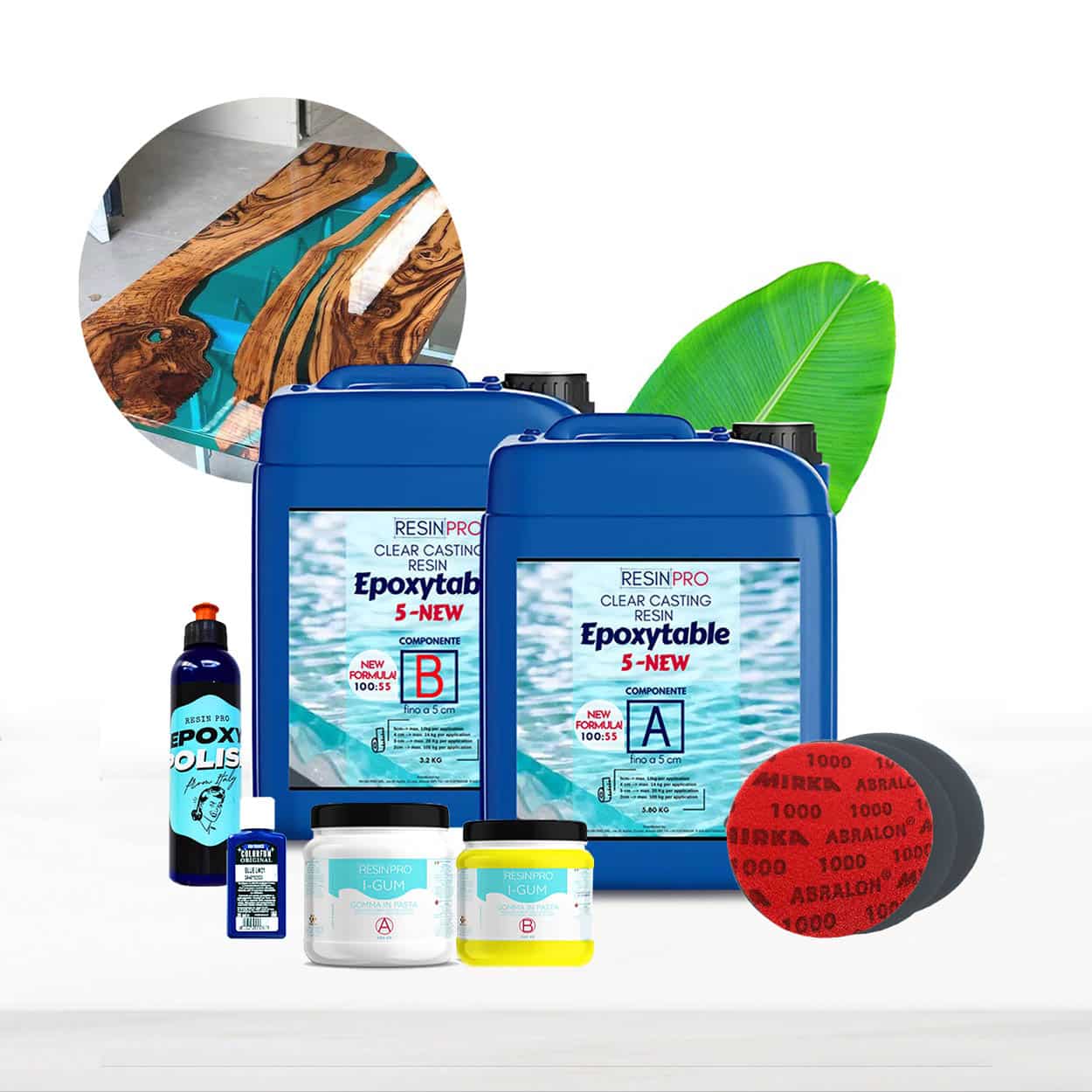
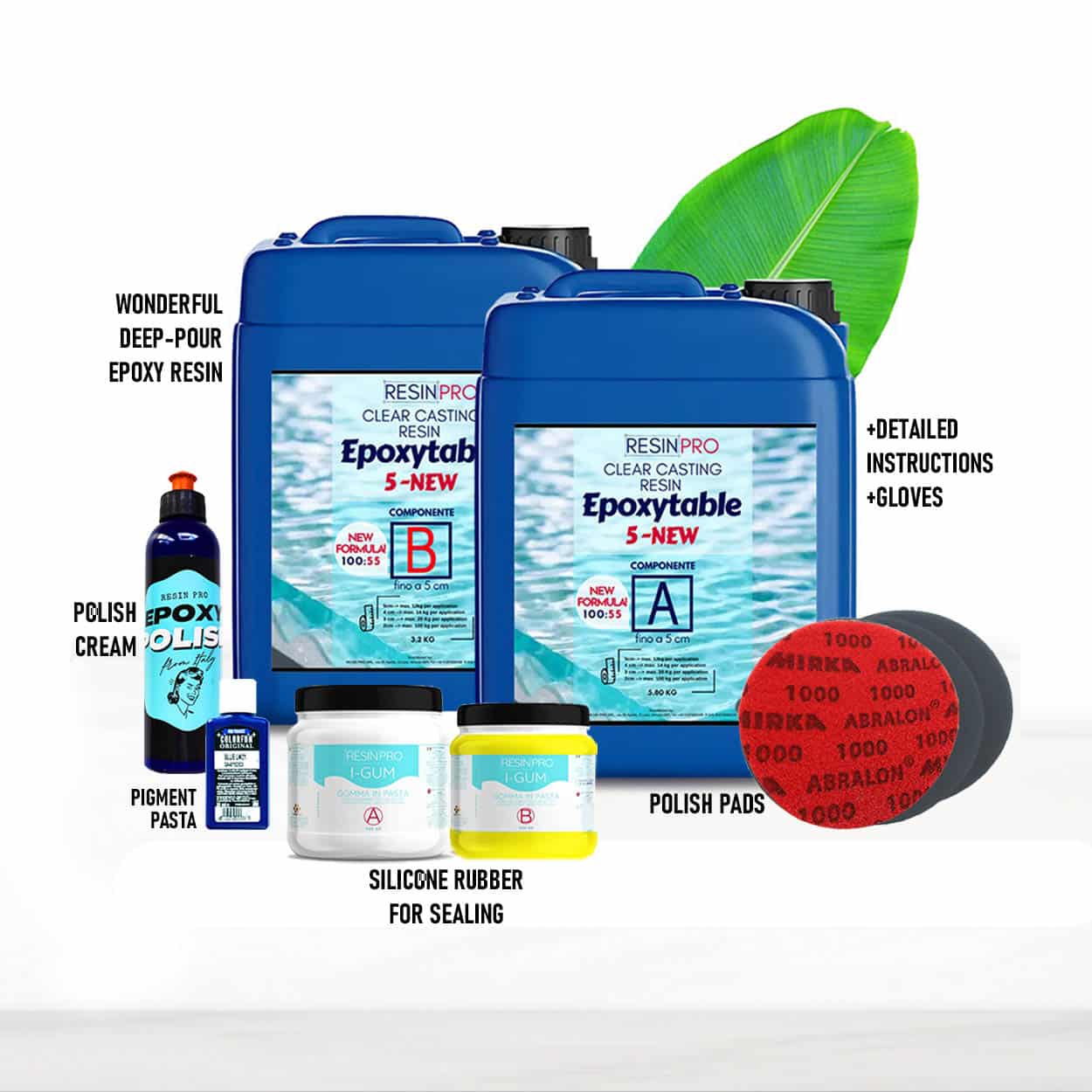
- “River-Table” – Complete Kit for Creating Your First Epoxy Resin Table – ideal for beginners wanting an all-in-one solution with detailed instructions.
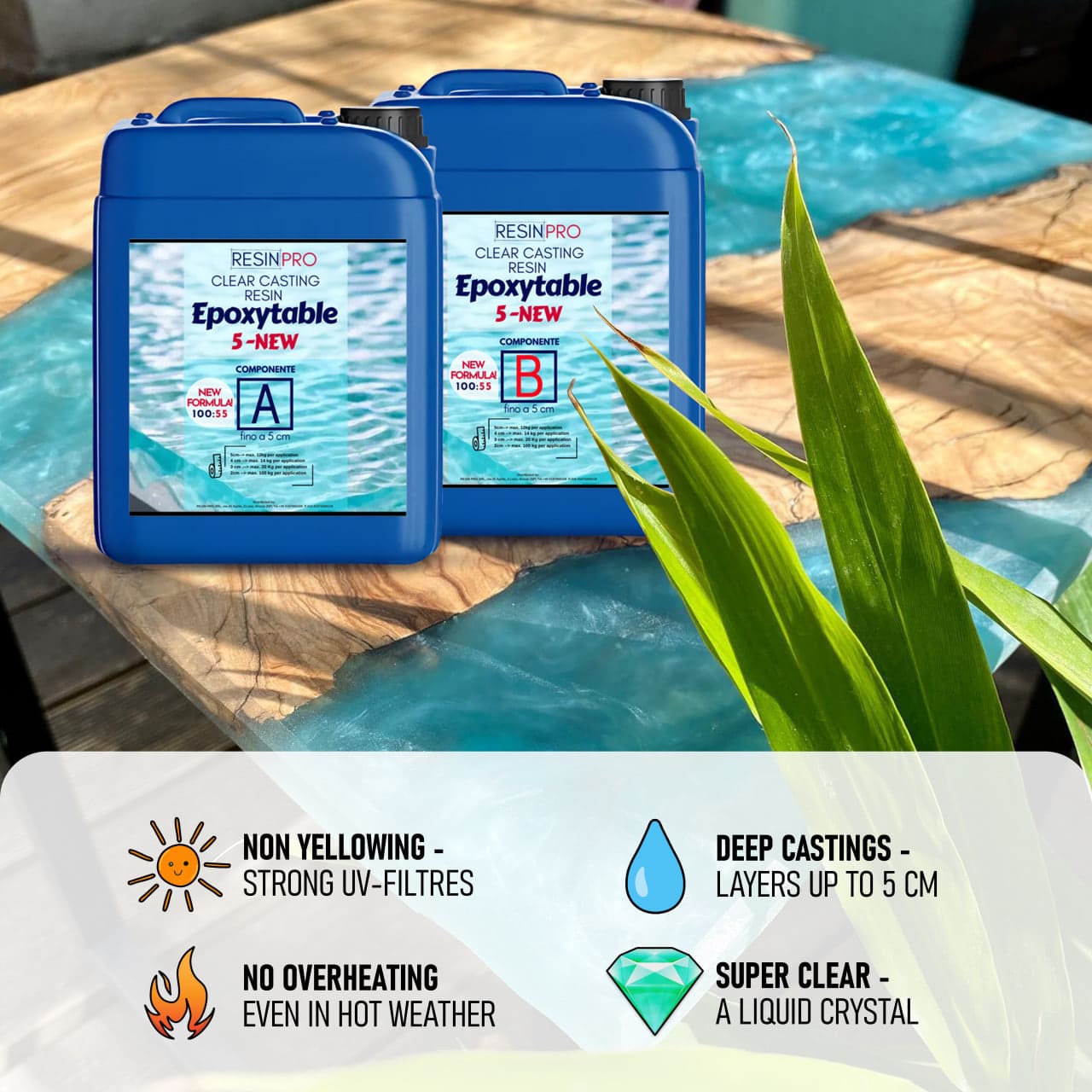
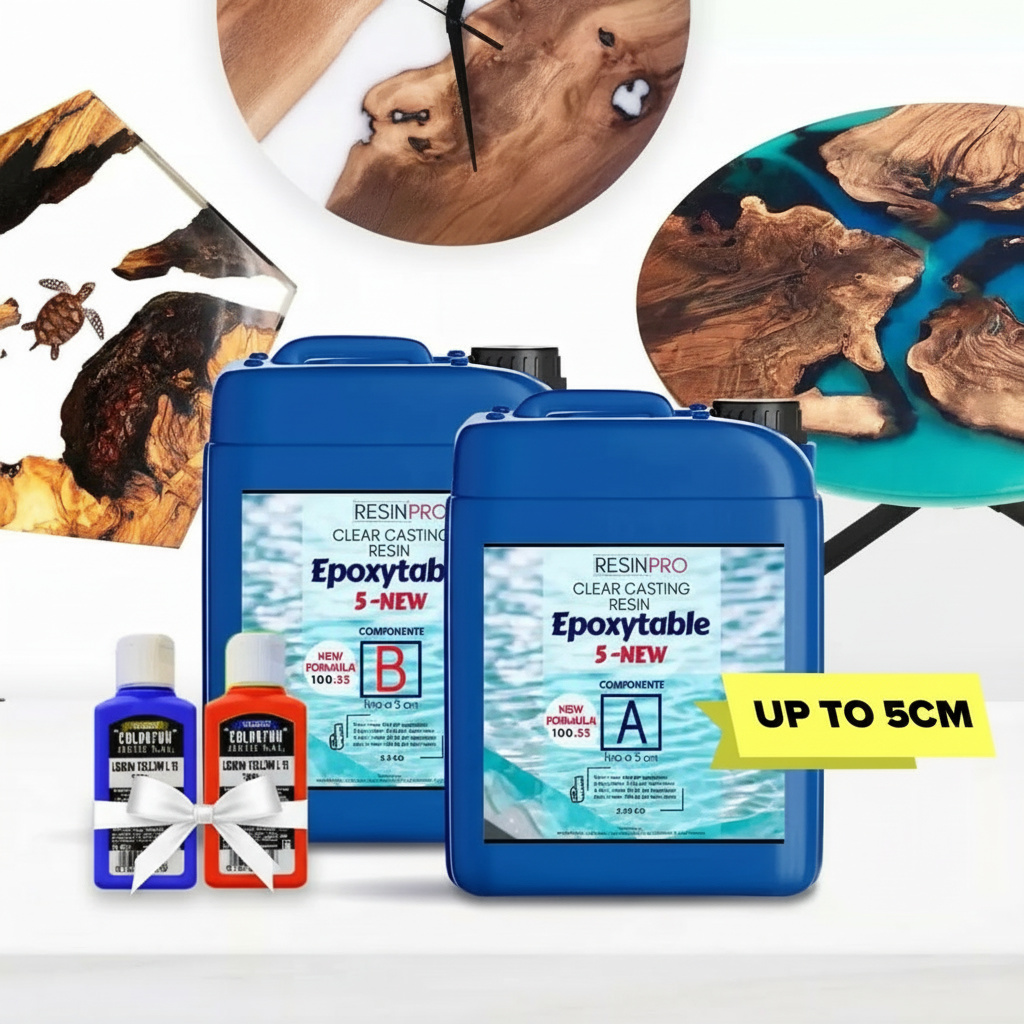
- “EpoxyTable 5-Five” – Deep Pour Epoxy Resin for Tables and Large Projects – Up to 5cm – perfect for creating durable table surfaces or large resin features.
- “Epoxytable 10-Ten” – Deep Pour Epoxy Resin for Tables, Up to 10cm Casting – for extra-deep pours in large projects.
- Online Video Course – Christmas Tree Decorations Masterclass (Instagram Access) – comprehensive video guidance for artistic techniques and finishing.
- Nitrile gloves and safety glasses
- Mixing buckets and stirring sticks
- Protective covering for your workspace
- Sanding pads (if polishing is needed)

Workspace and Surface Preparation in Action
Good preparation is the foundation of flawless resin work. Lay out your surface coverings, set up your resin kit or mixing tools, and ensure all surfaces are sealed. Many artists find that a clean, ordered workspace and a solidly built mould help prevent leaks and imperfections right from the start.
Step 1: Prepare Your Workspace and Surfaces
Before you begin, clear and cover your work surface to prevent damage from spills or drips. Work in a well-ventilated area at a stable temperature (ideally 18-25°C). Wear nitrile gloves and safety glasses throughout to protect your skin and eyes from uncured resin. Assemble all required tools and materials within easy reach.
If you’re coating wood or artwork, sand and clean the surface thoroughly to improve adhesion and remove dust. For castings or table work, ensure your mould or formwork is dust-free, sealed, and completely level. Leaks at this stage can worsen as you pour the resin, so check seals carefully — complete kits like the “River-Table” – Complete Kit for Creating Your First Epoxy Resin Table include silicone rubber to help seal edges for worry-free pouring.

Step 2: Measure and Mix the Resin Properly
Accurate measuring and mixing are vital for resin strength, clarity, and curing. Check the manufacturer’s specified mix ratio for your chosen product — for example, “EpoxyTable 5-Five” – Deep Pour Epoxy Resin for Tables and Large Projects – Up to 5cm typically requires a 100:55 resin-to-hardener ratio by weight. Use digital scales for precision.
Pour resin and hardener into a mixing bucket, scraping every drop from their containers. Stir slowly but thoroughly with a clean stick, scraping the sides and bottom for several minutes until the mixture is uniform with no streaks. Mixing ratios must always be followed precisely; guesswork can lead to improper curing or soft spots.
If you’re adding pigments, glitters, or other creative inclusions, stir them in only after the resin is fully mixed and clear. Helpful step-by-step video lessons are available in the Online Video Course – Christmas Tree Decorations Masterclass (Instagram Access) for precise mixing and colour blending techniques.
Step 3: Pour and Spread the Epoxy Resin
As soon as your resin is mixed, begin your pour before it starts to set. If working with a deep casting resin such as “Epoxytable 10-Ten” – Deep Pour Epoxy Resin for Tables, Up to 10cm Casting, pour in layers appropriate to its specification (up to 10cm in a single go). For thinner layers or surface coating, pour slowly, starting at the centre and guiding liquid towards the edges.
Allow resin to self-level for several minutes, then use a spreading tool if necessary. Remove bubbles by gently wafting a heat gun or torch across the surface, keeping it moving to avoid overheating.
For projects involving objects or pigments, position inclusions or add decorative effects at this stage using your desired technique. The Online Video Course – Christmas Tree Decorations Masterclass showcases creative approaches to layer effects with resin and ink.


Step 4: Curing and Finishing Touches
Leave your poured piece undisturbed and dust-free for the full cure time specified in your resin instructions (commonly 24–48 hours). Don’t rush the cure—allow adequate drying time for maximum hardness and clarity. If you need multiple layers for deep pours, only pour the next once the previous has partially set as advised by the manufacturer.
Once fully cured, demould or uncover your project. Light sand and polish if further gloss is desired (use resin-safe polishing cream and pads). Beginners may find the all-inclusive “River-Table” – Complete Kit for Creating Your First Epoxy Resin Table especially helpful, as it includes both a polishing set and clear final steps for finishing.
Tips, Common Mistakes, and Troubleshooting
- Mix slowly to keep bubbles at a minimum and always scrape mixing tools clean.
- Watch the working time closely; deep pour epoxies offer longer open times, giving you more freedom to perfect designs before setting.
- Always check ambient temperature and humidity—cold or damp rooms may slow or disrupt curing.
- If you notice sticky patches after curing, double-check your measuring and mixing process for next time.
- For creative or advanced effects, dedicated video resources such as the Online Video Course – Christmas Tree Decorations Masterclass can provide inspiration and help avoid artistic mishaps.

Creative Effects and Polished Finishes
Polishing and creative finishing take resin pieces to the next level. Detailed sanding and the right polish can bring glass-like clarity to surfaces. For unique art, experiment with pigments, glitters, or pouring techniques following expert video tuition to achieve vibrant, professional results.

- "River-Table" – Complete Kit for Creating Your First Epoxy Resin TablePrice range: £198.45 through £467.45"River-Table" complete kit provides materials and detailed instructions for creating modern wood and resin tables.
- "EpoxyTable 5-Five" – Deep Pour Epoxy Resin for Tables and Large Projects – Up to 5cmPrice range: £17.95 through £1,154.95"EpoxyTable 5-Five" is a deep pour epoxy resin suitable for tables and large projects, designed for clear, mechanical resistant surfaces and up to…
- Online Video Course – Christmas Tree Decorations Masterclass (Instagram Access)£20.95This course provides detailed video lessons on several techniques for making Christmas tree decorations involving resin application.
 “Epoxytable 10-Ten” – Deep Pour Epoxy Resin for Tables, Up to 10cm CastingPrice range: £35.95 through £351.95“Epoxytable 10-Ten” is an epoxy resin for deep pouring up to 10cm, suitable for tables and large projects with detailed instructions provided.
Frequently Asked Questions
How can I avoid bubbles when applying epoxy resin?
Mix slowly, pour gradually, and use a heat gun or torch to remove surface bubbles immediately after pouring. Always ensure your workspace is warm and your materials are moisture-free.
Can epoxy resin be poured in multiple layers?
Yes, for thick projects, it’s recommended to pour in layers. Wait until the previous layer is partially or fully cured as per the product’s instructions before pouring the next.
Why is my cured epoxy sticky or soft?
This usually results from incorrect mixing ratios or insufficient mixing. Ensure you measure accurately by weight and mix thoroughly.
How long does epoxy resin take to cure?
Most epoxies cure within 24–48 hours at room temperature. Check your specific product label for precise curing times and do not disturb the project during this period.
Do I need special tools or protection for resin work?
Nitrile gloves, safety glasses, and accurate weighing scales are highly recommended for safe and effective resin application. Protective coverings and a clean environment are also important.
Which epoxy is best for deep pours?
Deep pour resins such as "EpoxyTable 5-Five" or “Epoxytable 10-Ten” are designed for thick, single pours without overheating or yellowing.