 Free shipping on orders over £29,85
  Shipping Tracking!


 Google
 Facebook
← Back to How to make resin for filling cracks?
Proper surface preparation is essential for successful resin pours, but many wonder if priming is necessary beforehand. Here’s a practical guide to help you achieve the best results with your epoxy resin projects, especially when filling cracks or coating wood.
Is Priming Necessary with Epoxy Resin?
For most epoxy resin applications, such as filling cracks in timber or casting in moulds, using a separate primer is not typically required. Modern multipurpose epoxies are formulated to bond well directly with clean, dry substrates. However, the absence of dust, oil, and moisture is critical to ensure strong adhesion and clarity.
Surface Preparation: Key to a Flawless Resin Finish
- Clean thoroughly: Remove dirt, grease, sawdust, or any contaminants.
- Dry completely: Moisture can affect resin curing and clarity. Allow wood or masonry to dry before application.
- Sand if needed: Lightly sanding can provide a subtle key for the epoxy, especially on glossy or smooth surfaces.
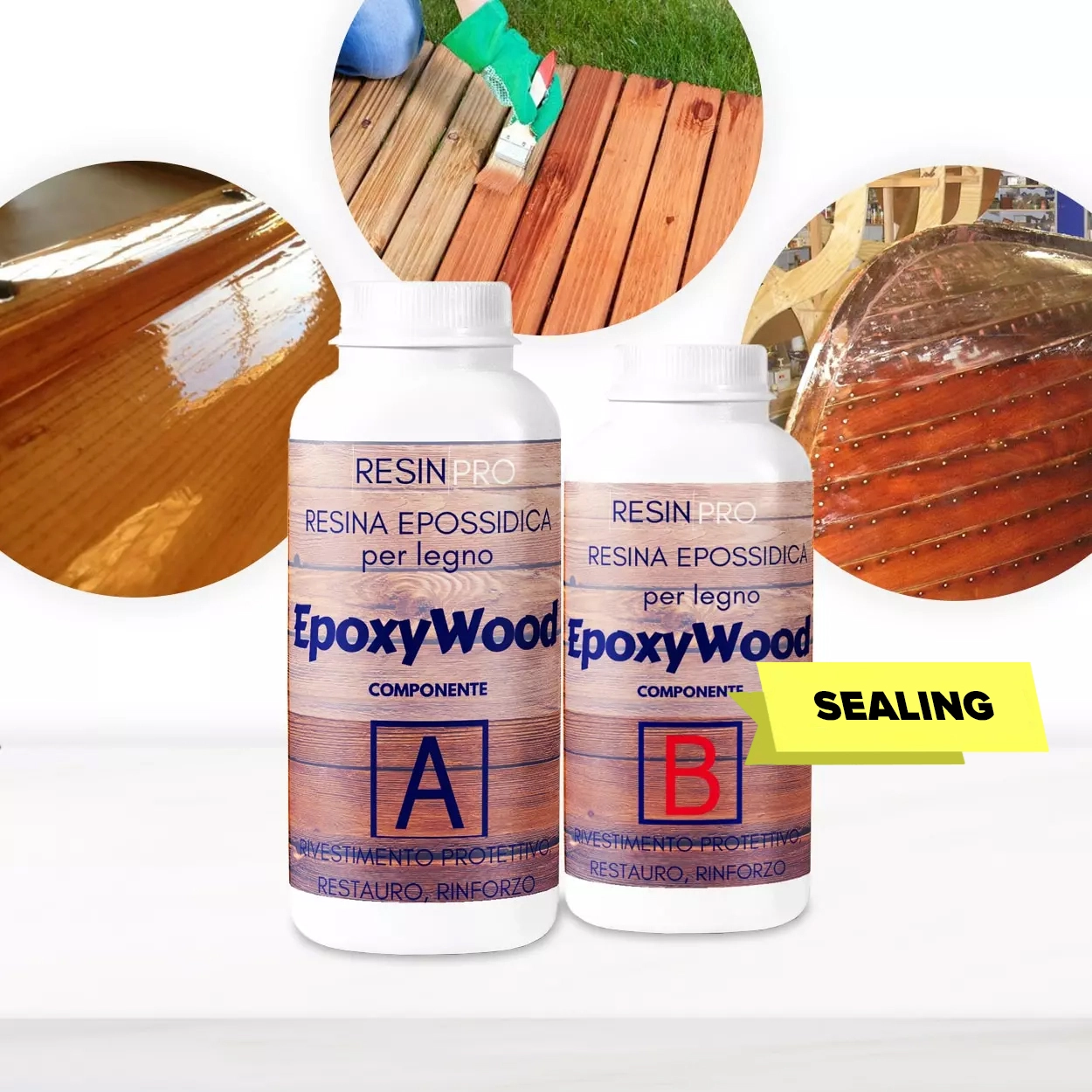
For wood repair, products like EpoxyWood are developed to penetrate and reinforce without the need for prior priming, as long as the substrate is properly cleaned and prepared.
When This Matters Most
Skimping on preparation can lead to poor resin adhesion or visible defects. If you’re working with heavily stained, oily, or very old wood, extra cleaning or a seal-coat layer of thinned resin may help, but dedicated priming is still rarely needed. Ensuring dryness is especially crucial for outdoor repairs or restoration.
Related products
Related guides
Focus on meticulous cleaning and drying for a perfect resin bond—priming is generally not needed with quality epoxy systems. Explore our full guide on how to make resin for filling cracks for further tips and product options.