 Free shipping on orders over £29,85
  Shipping Tracking!


 Google
 Facebook
How to make resin for filling cracks?
Repairing cracks in wood and similar surfaces doesn’t have to be complicated or daunting. This guide walks you through the full process of filling cracks with resin, ensuring a smooth, strong, and long-lasting result for furniture, floors, art projects, or outdoor restorations. Whether you’re restoring a cherished heirloom or protecting a new surface, you’ll achieve professional results by following proven techniques for preparation, pouring, and finishing.
Step-by-step guide for seamless, durable crack repairs


What You’ll Need
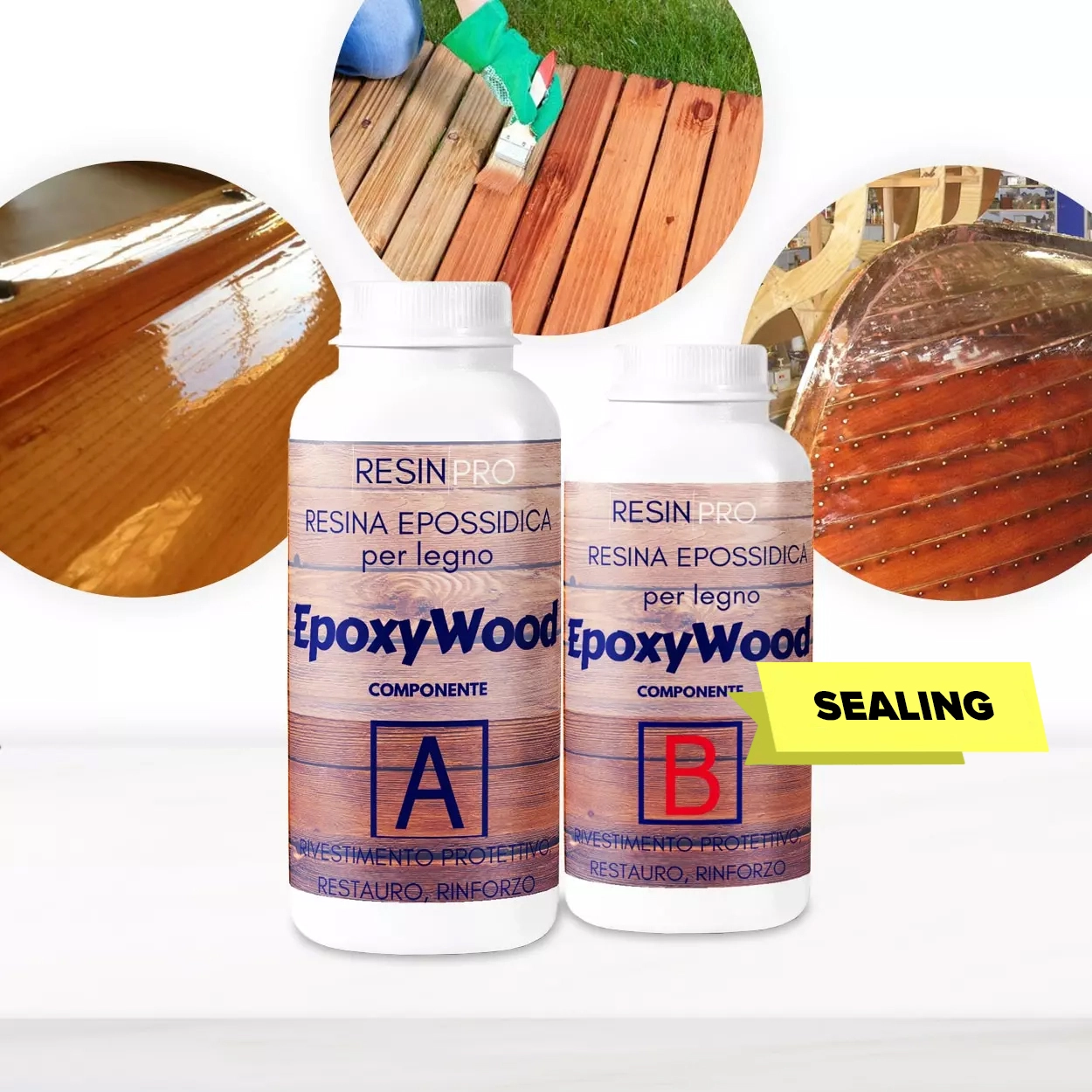
- “EpoxyWood” – Wood Restoration Epoxy Resin for Deep Penetration and Waterproofing: For strengthening and waterproofing wood cracks
- “Trasparente” – Multipurpose Clear Epoxy Resin for Casting – Up to 2cm: Best for visually clear repairs in wood and art pieces
- “Icrystal” – Clear Epoxy Resin – Odourless Formula – Up to 1.5cm: Ideal for crystal-clear finishes and surface coatings
- “Trasparente” Epoxy Resin Kit 800g + Mica Powder 10g – 10 Colour Variations: For creative colour effects in filled cracks
- Painter’s tape
- Mixing containers and stirrers
- Protective gloves and clothing
- Fine grit sandpaper
- Clean cloths
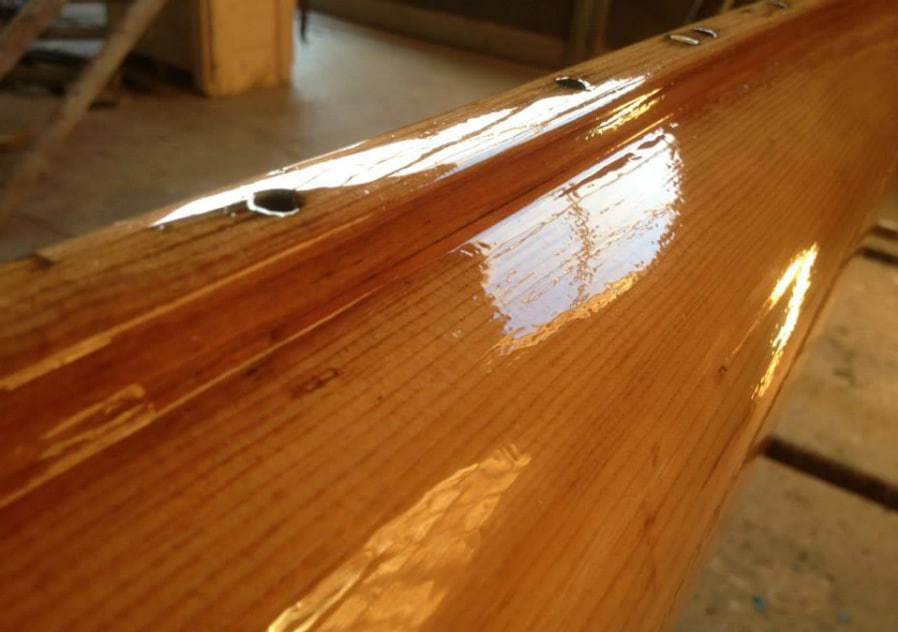
Resin Crack Fills in Action
See what’s possible when resin is used to fill cracks: from wood tables revived to their original strength, to art pieces with vibrant colour infills. Feel inspired to repair and transform your next project by viewing finished examples with transparent and coloured resins. Notice the seamless, glossy finish and the way resin reinforces and enhances a surface.

Step 1: Prepare the Surface and Crack
Begin by ensuring the area around the crack is clean, dry, and free of dust, oils, or old finishes. Use a fine brush or compressed air to remove loose debris from inside the crack. Use painter’s tape to cover areas you don’t want resin on, particularly on finished surfaces, to avoid excess resin sticking where it isn’t needed.
For best adhesion and deep penetration, especially with wood, lightly sand around the crack to open up the fibres. Wipe down all surfaces with a clean, lint-free cloth to pick up any remaining dust. If the crack goes all the way through, seal the underside with tape to prevent leaks during pouring.
Step 2: Safely Mix Your Epoxy Resin
Follow the specific mixing ratio from your resin product’s instructions. Precise measuring is critical for a successful cure—too little or too much hardener can result in a soft, tacky surface. Always wear gloves and work in a well-ventilated area to minimise skin exposure and fumes, even if the resin is odourless.
If you need a resin that penetrates deep and reinforces wood, “EpoxyWood” – Wood Restoration Epoxy Resin for Deep Penetration and Waterproofing is ideal. For clear, decorative repairs, a transparent formula like “Trasparente” – Multipurpose Clear Epoxy Resin for Casting – Up to 2cm or “Icrystal” – Clear Epoxy Resin – Odourless Formula – Up to 1.5cm works best. Mix thoroughly for 2–3 minutes, scraping the sides and bottom of your mixing container to avoid unmixed patches.
Step 3: Pour the Resin into the Crack
Pour the resin slowly into cracks to avoid trapping air. For fine cracks or deep voids, you might need to pour in stages, allowing each layer to begin gelling before topping up. This prevents heat buildup and minimises bubbles. Use a toothpick or a pin to gently release trapped air as you pour.
If adding visual effects, try the “Trasparente” Epoxy Resin Kit 800g + Mica Powder 10g – 10 Colour Variations, combining vibrant pigments for custom finishes. Carefully overfill the crack slightly above the surface—this makes sanding back easier after the resin cures.

Step 4: Allow the Resin to Cure Completely
Check the instructions on your chosen resin: curing times vary but most require 24–48 hours for full hardness. Ensure the filled area stays undisturbed and dust-free while curing. Do not attempt to sand or handle the surface until it has fully set. If needed, tent the piece with a box to protect it from drafts or falling particles.
Resins such as “Icrystal” – Clear Epoxy Resin – Odourless Formula – Up to 1.5cm and “Trasparente” – Multipurpose Clear Epoxy Resin for Casting – Up to 2cm are especially good for bubble-free, flawless results.

Step 5: Finish and Sand for a Seamless Result
Once the resin is cured, remove any tape and inspect the filled crack for any pits or low spots. If necessary, repeat the filling process for a perfectly level surface. Sand the cured resin gradually with fine grit paper, moving from 320 grit up to 1000 or higher for an ultra-smooth finish. Wipe away all dust between sanding stages. Polish by hand for a natural look or apply a finishing oil or wax if restoring furniture.
Take your time and allow for full curing between layers and sanding stages, especially when using deep-penetrating or crystal-clear resins for wood and tabletops.
Tips, Common Mistakes, and Troubleshooting
Always check the compatibility of your substrate and resin type to avoid cloudy finishes or poor adhesion. Do not rush the curing time—premature handling is one of the most common mistakes. If you discover bubbles after pouring, use a heat gun on low or a pin to burst them before the resin sets fully.
Remember, moisture in wood can cause cloudy resin or failure to cure. Ensure all surfaces are dry and dust-free, and follow mixing ratios exactly for best results. When in doubt, test your process on a scrap piece before tackling valuable projects.
Expert Tips for Perfect Results
Even professionals stick to the basics for flawless crack repairs: exact measurements, patient layer pouring, and taking care with bubble removal. It’s attention to preparation and technique that produces near-invisible, lasting fills every time.
- "EpoxyWood" – Wood Restoration Epoxy Resin for Deep Penetration and WaterproofingOriginal price was: £64.00.£39.85Current price is: £39.85."EpoxyWood" is a wood restoration epoxy resin designed for deep penetration and waterproofing wood surfaces in line with the theme How to make resin…
- "Trasparente" – Multipurpose Clear Epoxy Resin for Casting – Up to 2cmPrice range: £8.45 through £948.85"Trasparente" is an ultra-clear, multipurpose epoxy resin offering a glossy, self-levelling finish with up to 2cm layer thickness suitable for…
 "Icrystal" – Clear Epoxy Resin – Odourless Formula – Up to 1.5cmPrice range: £11.65 through £954.85"Icrystal" is a transparent, odourless epoxy resin designed for clear, scratch-resistant coatings, suited for tables and surface finishes.
 "Trasparente" Epoxy Resin Kit 800g + Mica Powder 10g – 10 Colour Variations£19.85"Trasparente" Epoxy Resin Kit offers ultra clear resin suitable for various DIY and craft uses including tables and coatings.
Frequently Asked Questions
Can I use any resin for wood crack filling?
Not all resins behave the same. Choose one designed for deep penetration or clear effects for best strength and appearance.
How do I prevent bubbles in filled cracks?
Mix resin slowly and pour in stages. Use a heat gun or pin to eliminate bubbles before the resin cures.
How long before I can sand or use the surface?
Typically, wait 24–48 hours or until fully cured. Check the product instructions for the recommended curing times.
Why did my resin turn cloudy?
Moisture or dust in the crack or poor mixing can cause cloudiness. Ensure surfaces are dry and mix the resin thoroughly.
How can I match the repair to my wood?
Use a resin compatible with tinting or add colour powders to blend repairs seamlessly with the surrounding wood.
Do I need to prime before pouring resin?
Priming is not required for most epoxies, but ensure all surfaces are clean and dry for best adhesion and clarity.