 Free shipping on orders over £29,85
  Shipping Tracking!


 Google
 Facebook
← Back to How to prevent resin from oozing out of wood
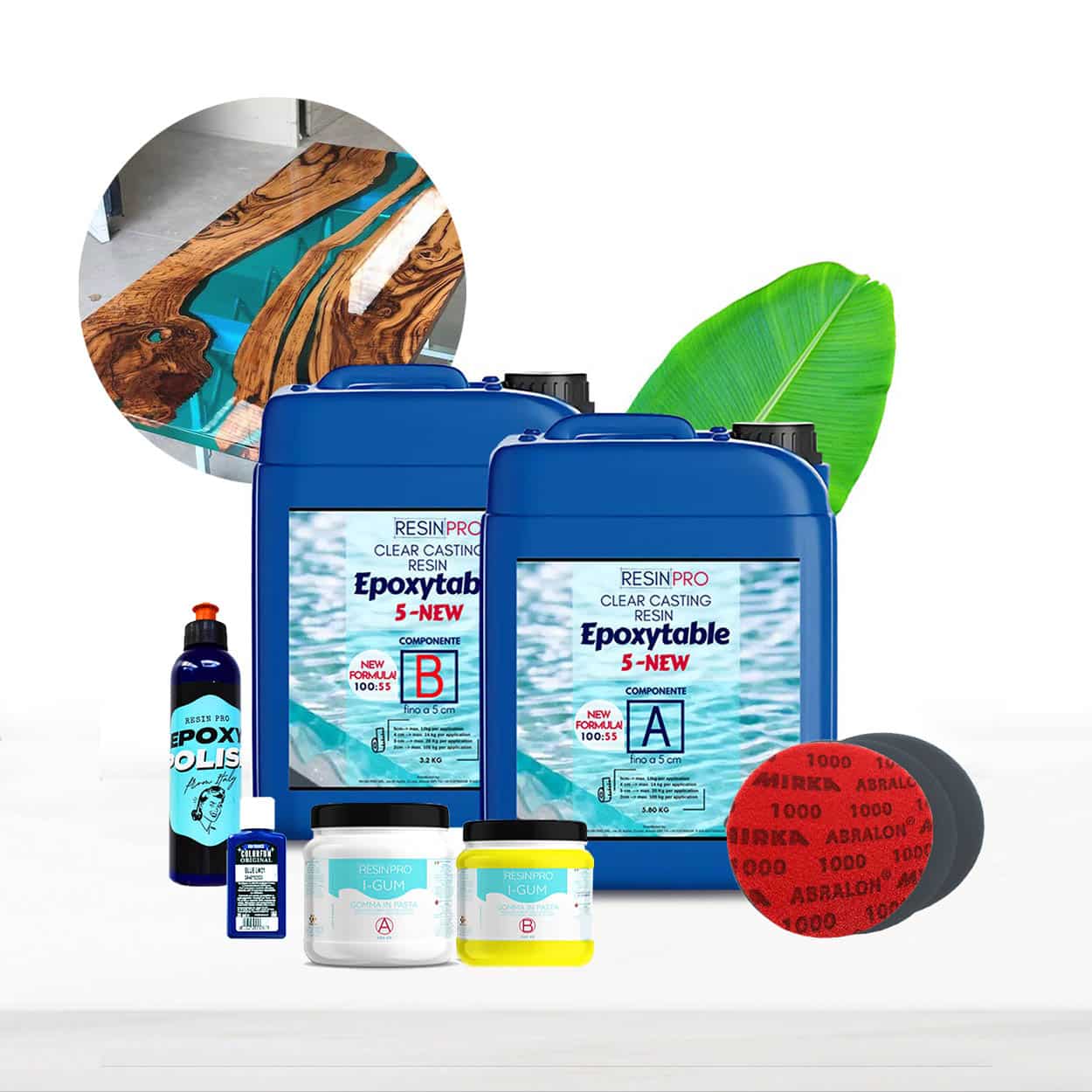
If you’re working with wood and epoxy resin, ensuring every join is properly sealed is crucial—especially the formwork. Sealing only the wood isn’t enough to prevent resin seepage. Let’s explore why formwork matters just as much, and how you can get the best result.
Why Formwork Needs Sealing
When pouring resin for projects like tables or decorative pieces, the formwork (the temporary mould holding the resin and wood) acts as the primary barrier keeping everything in shape. Any unsealed gap or join in the formwork can let resin escape, leading to costly wastage, messy leaks, and imperfect results. That’s why it’s best to carefully apply silicone sealant or use specialised release films on every joint and edge, not just where wood meets wood.
Practical Steps for Reliable Containment
Before you begin pouring resin, inspect your mould thoroughly. Use a good quality silicone paste to seal all corners and contact points. Many beginners find a kit helpful; for instance, the “River-Table” Complete Kit includes both silicone sealant and a special release film, taking the guesswork out of the process. Don’t forget to give your formwork a quick test by pouring in a small amount of water to check for leaks before committing to resin.
When This Matters Most
Sealing formwork is especially important for deep pours, complex shapes, or any project where the resin will sit in place for hours. It’s also critical if your wood is extra dry or uneven, which can increase the risk of leaks and bubbles. Taking time to seal means less stress during pouring and curing, ensuring a smooth experience from start to finish.
Related products
Related guides
Sealing both wood and formwork is essential for preventing resin leaks and achieving a professional finish. For more on creating flawless resin projects, see our complete guide on how to prevent resin from oozing out of wood.