 Free shipping on orders over £29,85
  Shipping Tracking!


 Google
 Facebook
How to prevent resin from oozing out of wood
If you have ever poured resin on or into wood, you may have encountered the frustrating problem of resin oozing out through cracks, pores, or the underside after your hard work. This page is for woodworkers, furniture enthusiasts, and artists seeking products that help prevent resin leaks, ensure better adhesion, and produce flawless, long-lasting results—whether you’re creating river tables or sealing wood for crafts.
Select the right resin or kit to keep your projects leak free


Overview: Stopping Resin Leaks in Wood Projects
Choosing the right product is essential for sealing wood and controlling resin flow. The primary causes of oozing are wood’s natural porosity and poorly sealed formwork. Major differences between solutions include low-viscosity resins for deep penetration, dense surface resins for artistic coatings, and full kits that include sealants for both wood and moulds. Waterproofing wood with a specialist resin not only blocks leaks but also enhances strength and durability, while sealing kits simplify the process with all-in-one options and guidance. Selecting the right match ensures your resin remains where you intended and your surface is finished to perfection.
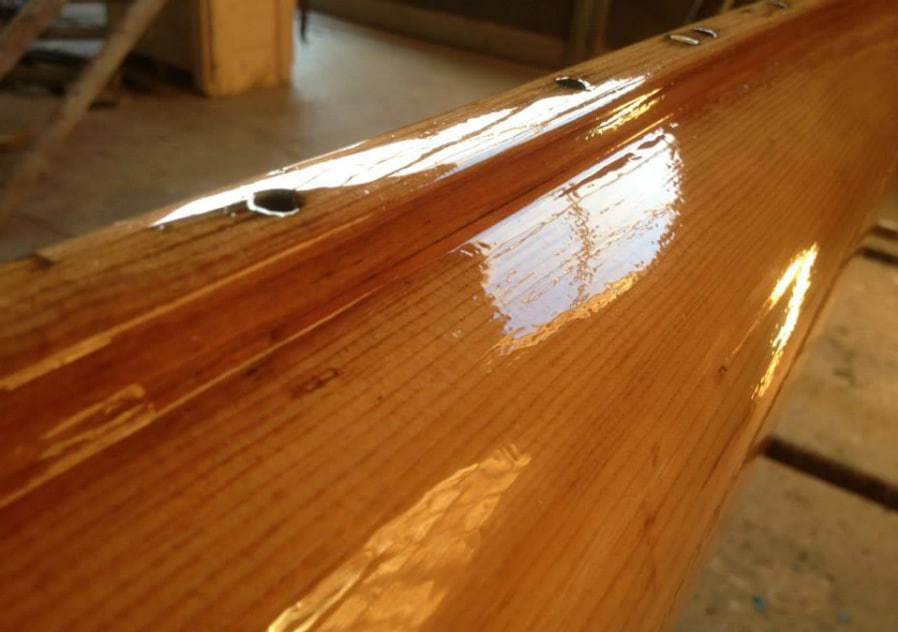
Visual Guide: Sealed and Unsealed Wood
Sealing wood before applying resin is the best way to prevent leaks. In the gallery above, you can see the difference between resin seeping out of untreated wood (left) and the even finish achieved after sealing with a dedicated low-viscosity epoxy (right). Notice the suppression of bubbles and smoother, glossier results on the sealed sample.
EpoxyWood – Deep Penetration Wood Sealing Epoxy
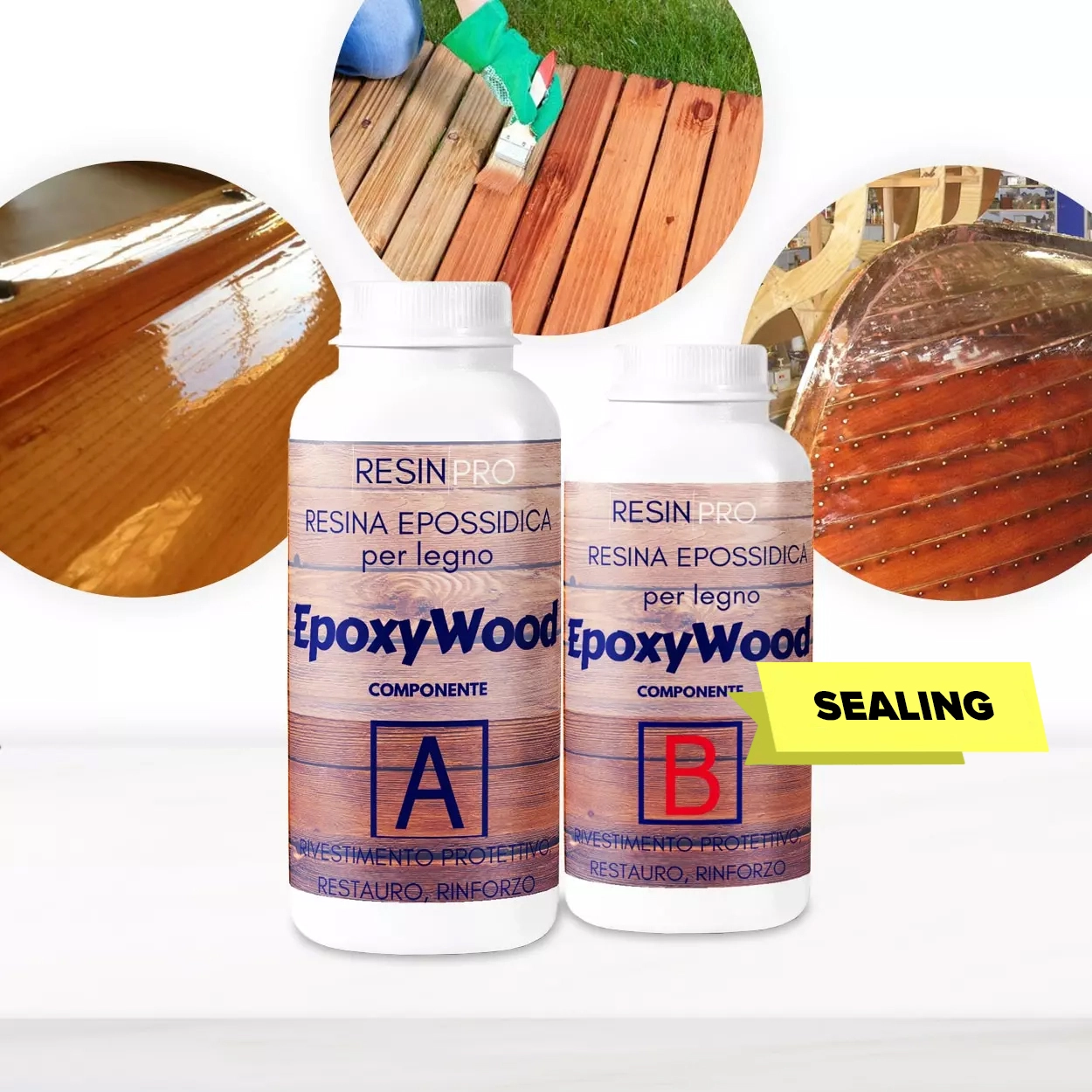
“EpoxyWood” – Wood Restoration Epoxy Resin for Deep Penetration and Waterproofing is engineered for the specific task of reinforcing and sealing timber. Its ultra-low viscosity means it is able to enter deep into wood pores, essentially filling tiny cavities that would otherwise let resin seep through when a topcoat is added. This product makes wood completely waterproof, so future resin applications stay leak-free and the substrate gains extra strength. Its straw-yellow tint brings out the wood grain in a warm, attractive way. Ideal for restoration, river tables, and any project where wood structure and waterproofing are paramount, “EpoxyWood” is eco-conscious, solvent-free, and suitable for use on fibreglass and metal as well.
Art Pro – Artist-Grade Epoxy for Surface Control
For those aiming to achieve a glass-like, highly durable finish on wood surfaces while minimising drips and runs, “Art Pro” – Clear Epoxy Resin for Artists and Surface Coating is a smart choice. This resin features a dense, non-drip formula designed for controlled, even coatings. Its exceptional clarity is ideal for creative work, and its resistance to scratches and UV damage ensures longevity. Although meant for layers up to 10 mm, “Art Pro” is perfect where you require precise placement of resin without excess seeping or dripping onto exposed sides.
River-Table Kit – Complete Solution for Beginners and Experts
If you prefer an all-in-one approach, the “River-Table” – Complete Kit for Creating Your First Epoxy Resin Table combines everything needed to avoid resin leaks in ambitious table or furniture projects. In addition to high-quality epoxy resins, this kit includes a special silicone paste for reliable sealing of your formwork—crucial for containing resin within complex or live-edge wood. Kits also come with polishing materials, pigments, and a release film, as well as clear, step-by-step instructions to help avoid common mistakes like under-sealed edges or missed gaps. Perfect for beginners or those taking on larger wood and resin projects.
Top Tips for Preventing Resin Leaks and Oozing
Regardless of the resin chosen, careful preparation is key. Always begin by ensuring your wood is dry and thoroughly sanded—moisture trapped in the timber can force resin out as it cures. Prime highly porous wood with an initial thin coat of low-viscosity epoxy, such as “EpoxyWood”, to seal micro-channels before applying thicker layers or castings. Use silicone-based formwork sealants to close all potential exit points for the resin, especially when preparing river tables or cast-in-place features. Consider taping the bottom and sides with strong barrier materials as added insurance. For artistic coatings, apply resin in several thin layers to build up coverage and seal off imperfections. Patience and correct surface prep are your best tools for controlling resin flow and achieving professional results.
Common Problems When Resin Oozes from Wood
Oozing occurs most often with porous wood and poorly sealed edges, leading to wasted resin and uneven surfaces. Using specialist primers and following correct sealing steps increases your chances of success. If leaks do appear, wait until the resin has fully gelled before performing repairs or top-ups for best results.
- "EpoxyWood" – Wood Restoration Epoxy Resin for Deep Penetration and WaterproofingOriginal price was: £64.00.£39.85Current price is: £39.85.EpoxyWood resin is designed for wood restoration with deep penetration and waterproofing, suitable for preventing resin oozing issues in wood.
- "Art Pro" – Clear Epoxy Resin for Artists and Surface CoatingPrice range: £31.15 through £388.85Art Pro is a clear epoxy resin designed for artists, providing durable, high-gloss finishes suitable for decorative projects.
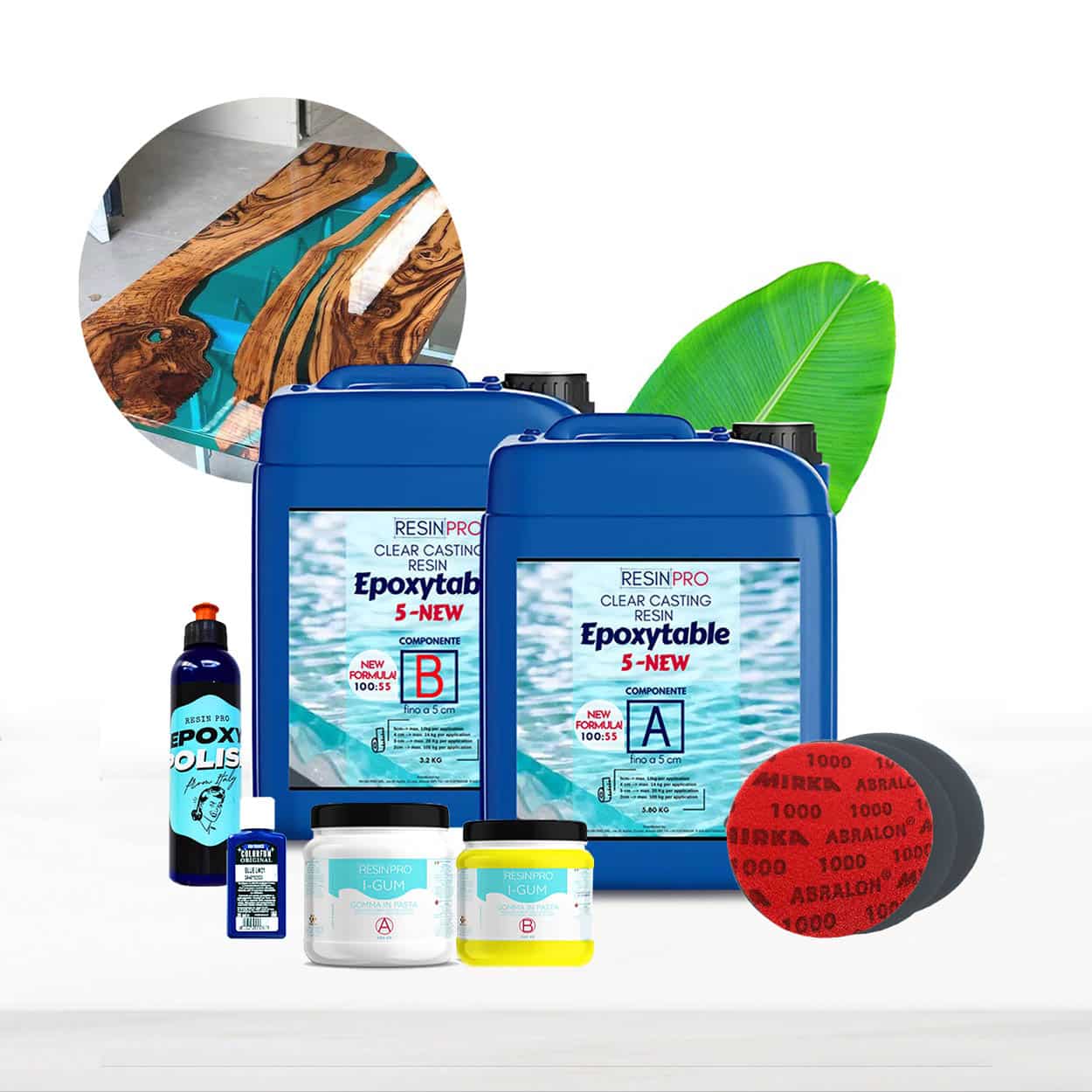 "River-Table" – Complete Kit for Creating Your First Epoxy Resin TablePrice range: £188.85 through £444.85"River-Table" kit contains components and guidance for wood and resin tables, suited to the theme about preventing resin from oozing out.
Frequently Asked Questions
What causes resin to ooze out of wood?
Resin oozes because of wood's natural porosity and any gaps or grain not fully sealed. Moisture inside the timber can also push resin out.
Can you stop leakage in river tables?
Yes. Using a sealing coat, effective formwork sealants and slow, careful pours help ensure resin stays in place without leaking.
What type of epoxy should I use for sealing wood?
A low-viscosity penetrating epoxy, like EpoxyWood, is best for deep sealing before heavier pours or final coatings.
Do I need to seal the formwork as well as the wood?
Yes, sealing all mould joints and contact points with silicone or release films ensures full containment during resin work.
Can I use surface coating resin to seal wood?
For shallow pours or arts projects, dense surface resin can help, but deep pours should be preceded by a penetration sealer.
How do I repair resin leaks or escaped resin after pouring?
Wait for curing, then clean and sand the affected area. Apply a sealing coat before pouring more resin in the gap.